
Last updated September 20, 2026
Level 1 sweep and inspection to the NFPA 211 annual standard - flue, crown, cap, and flashing checked and photographed
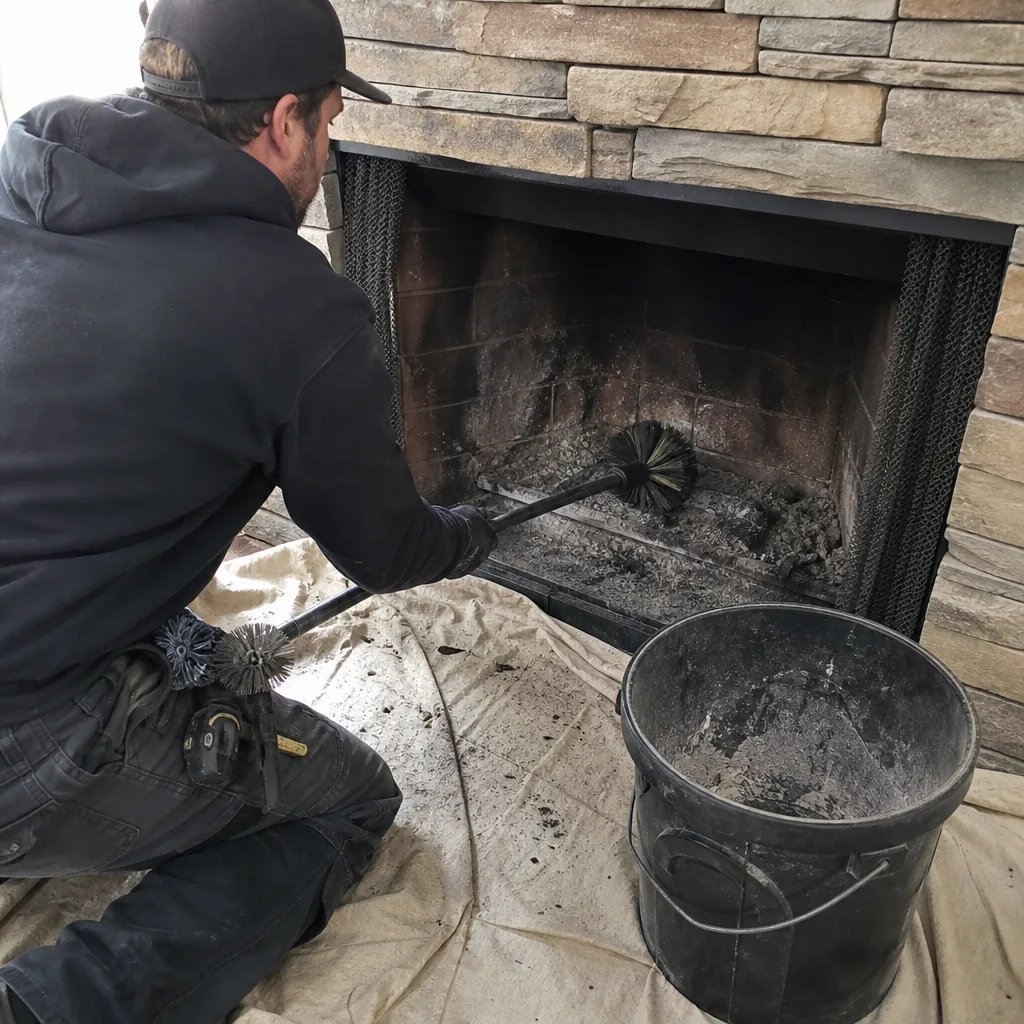
Chimney sweep logs do not sweep chimneys. They loosen some creosote - which then falls where a brush and vacuum still have to collect it.
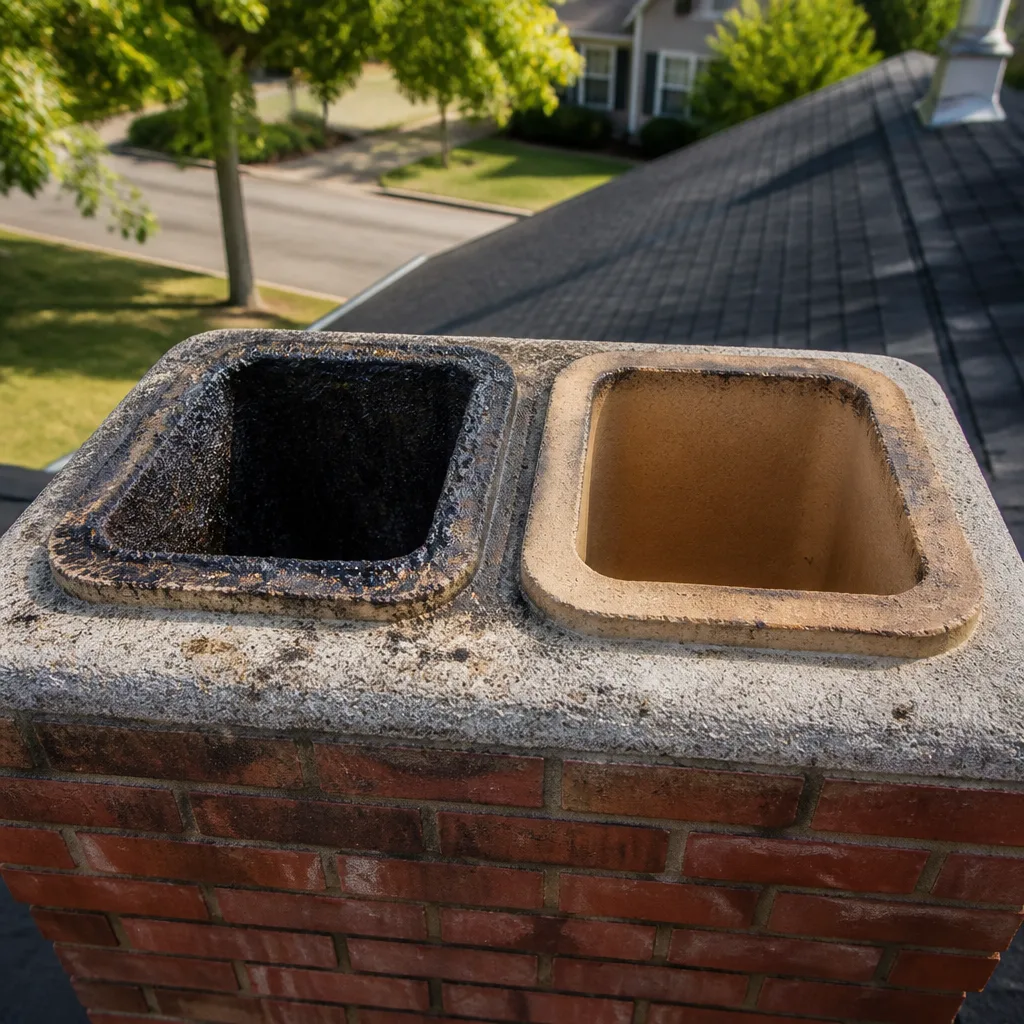
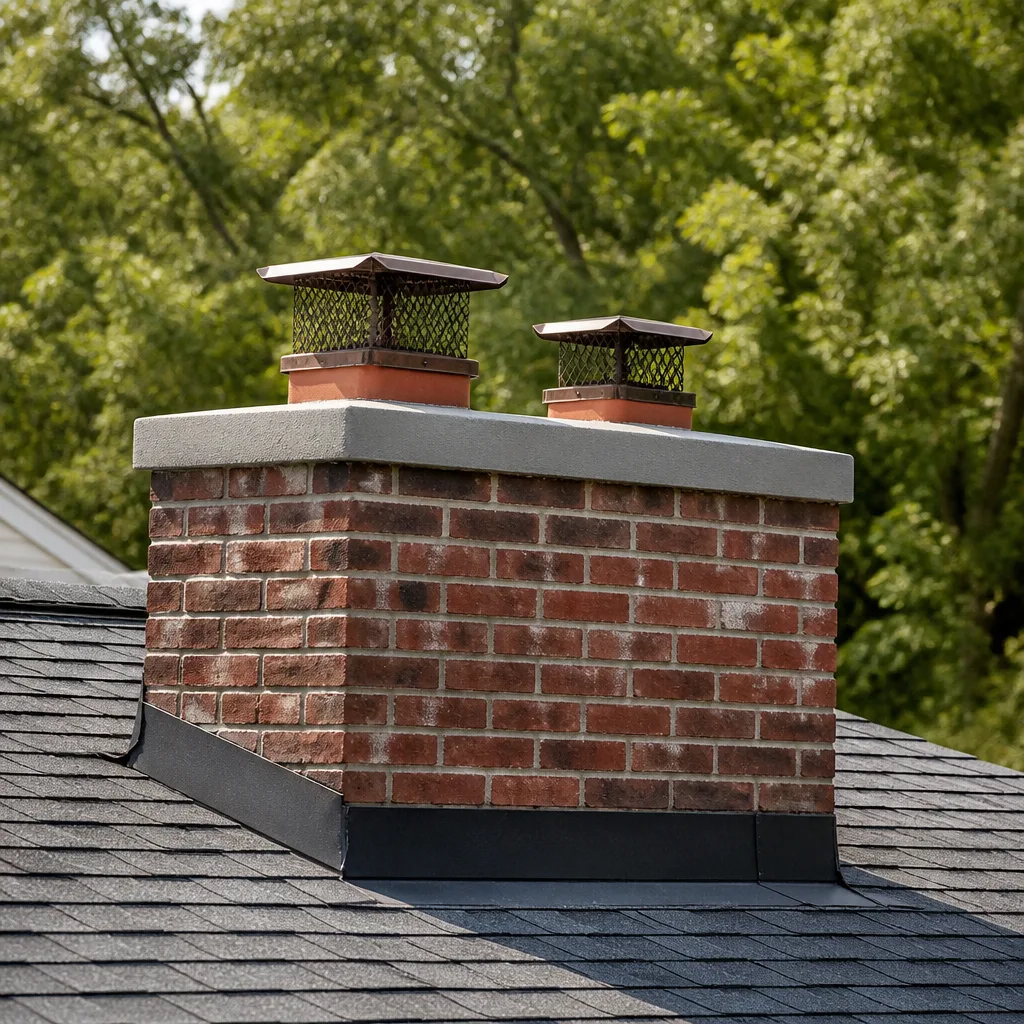
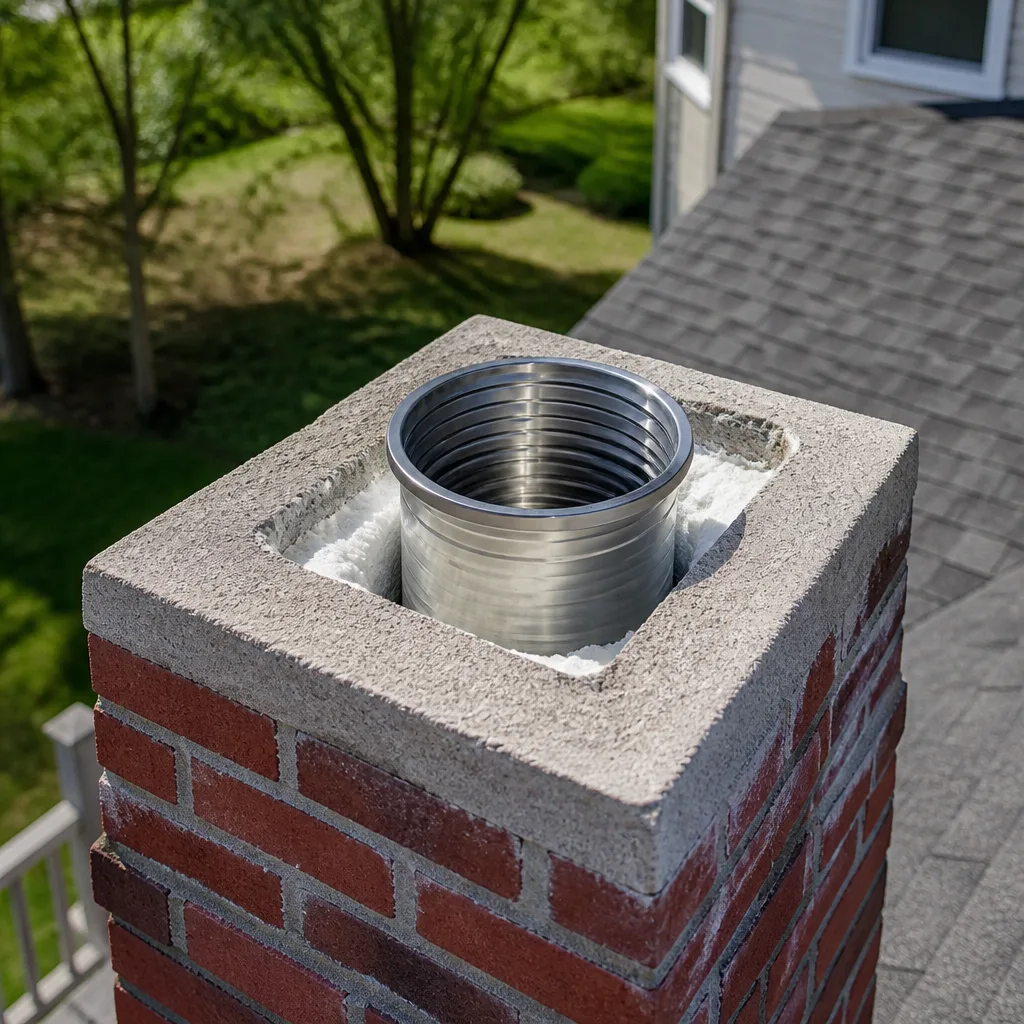
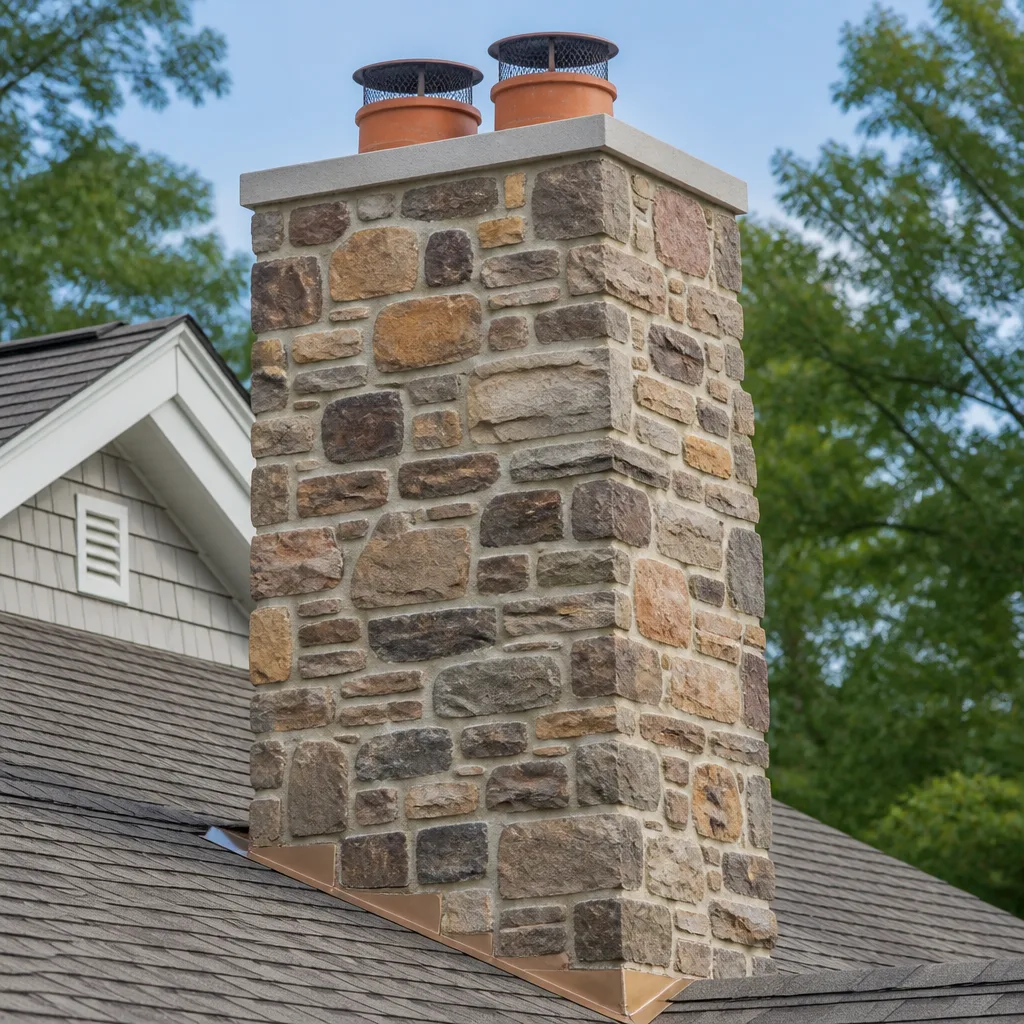
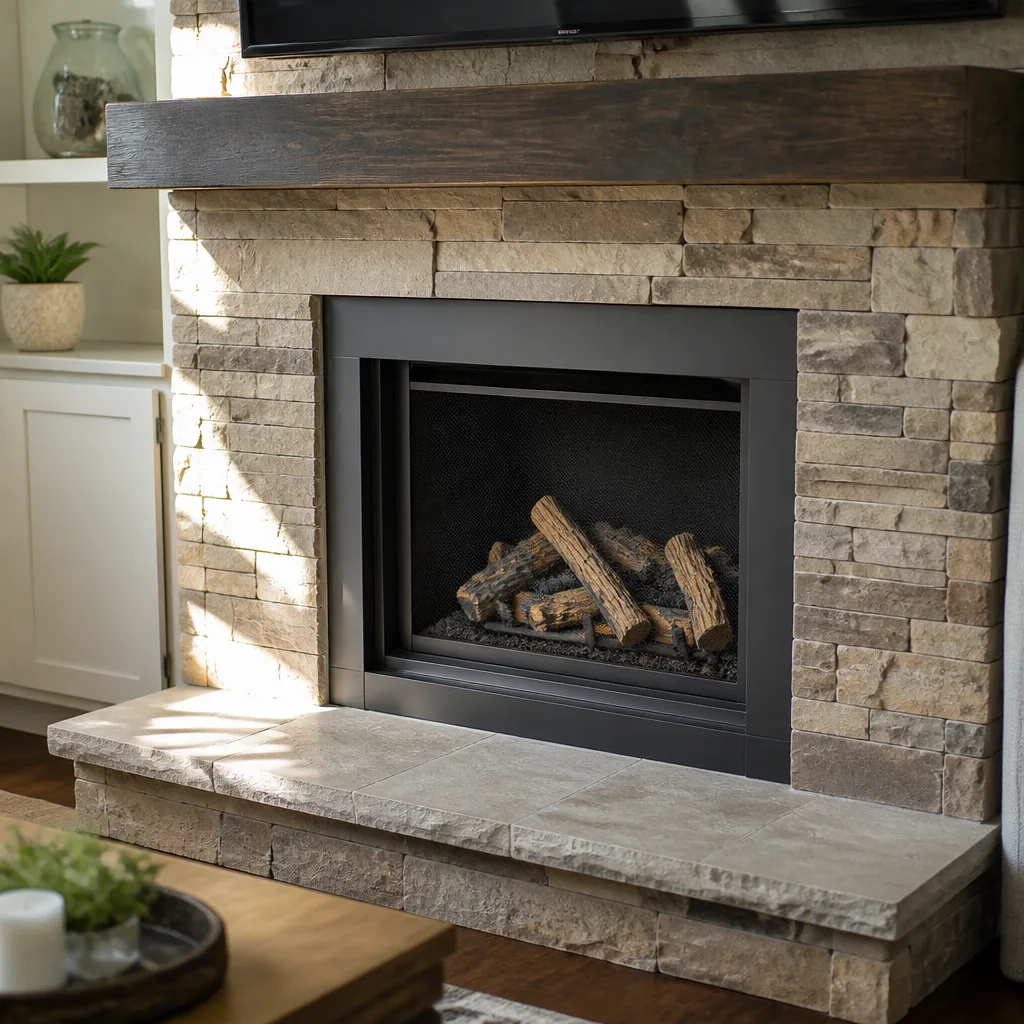
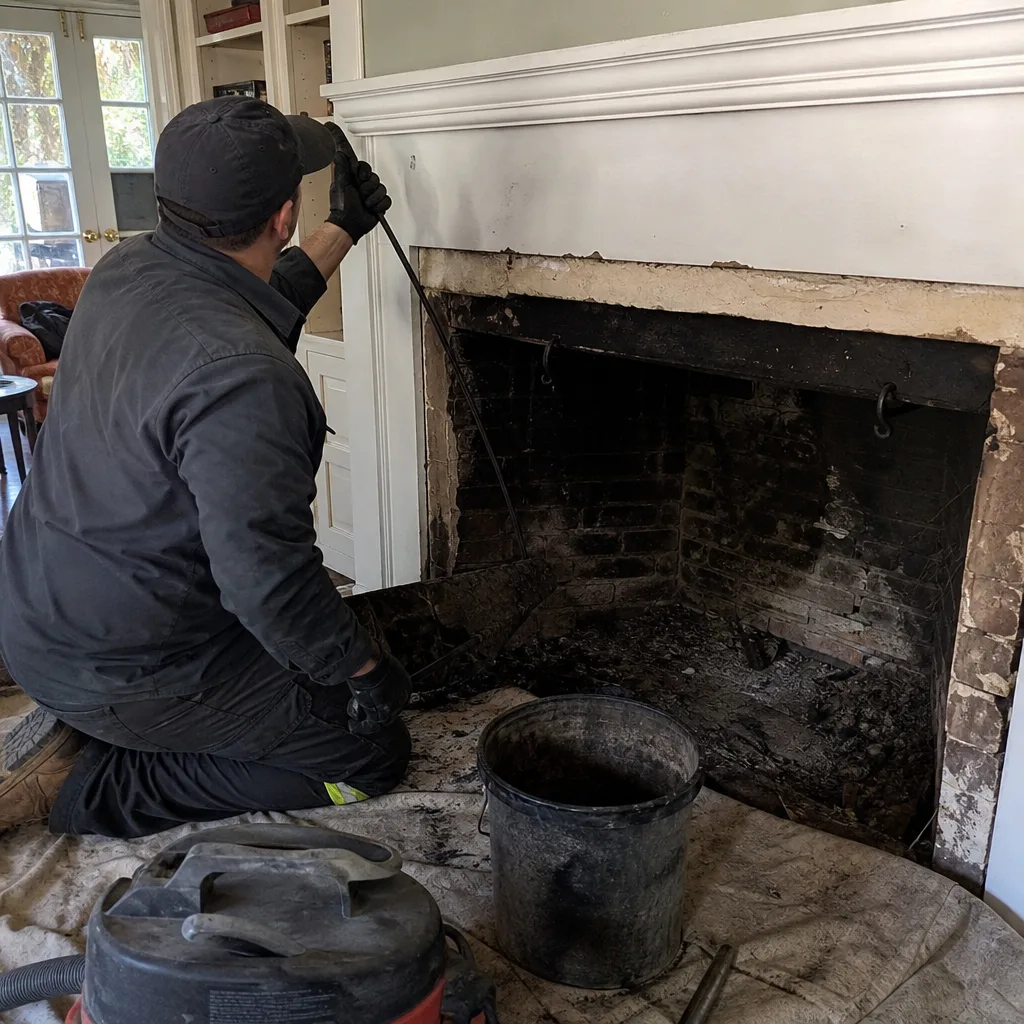 Before
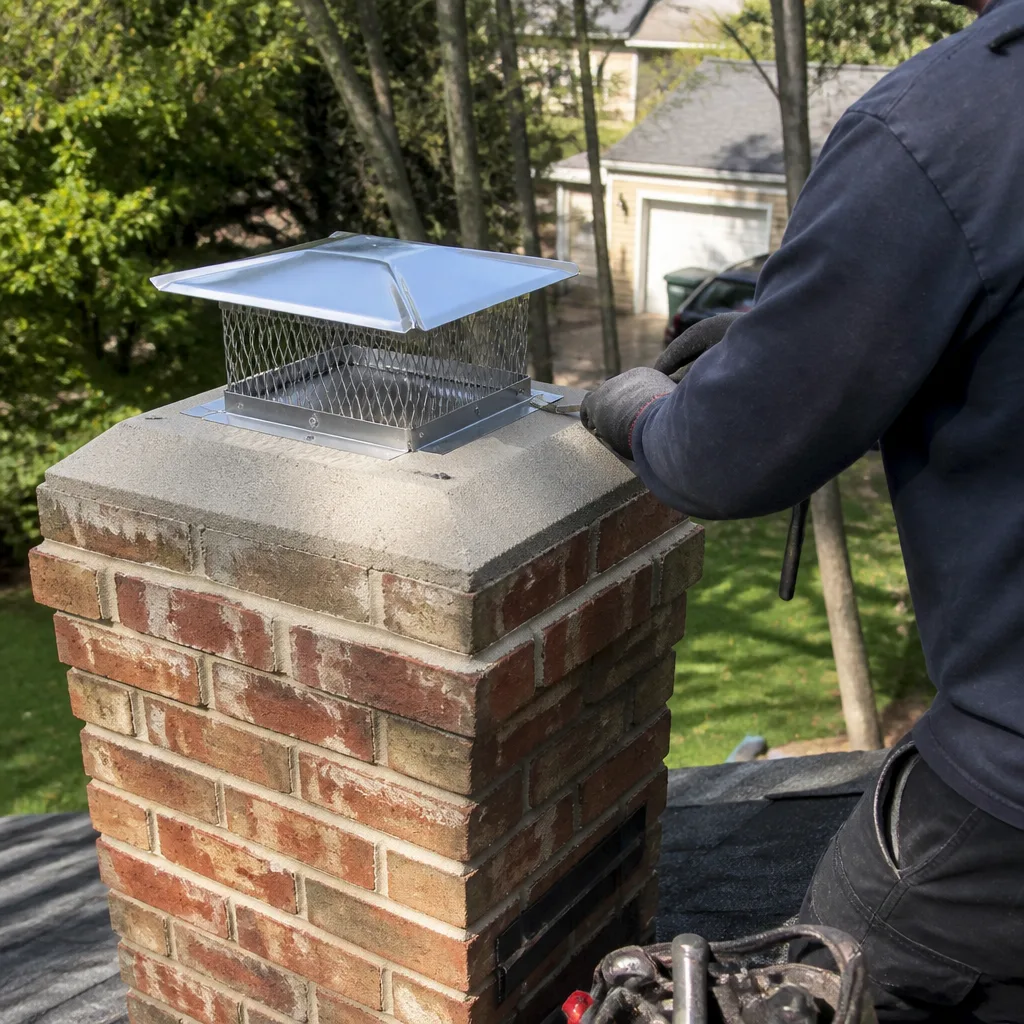 After
After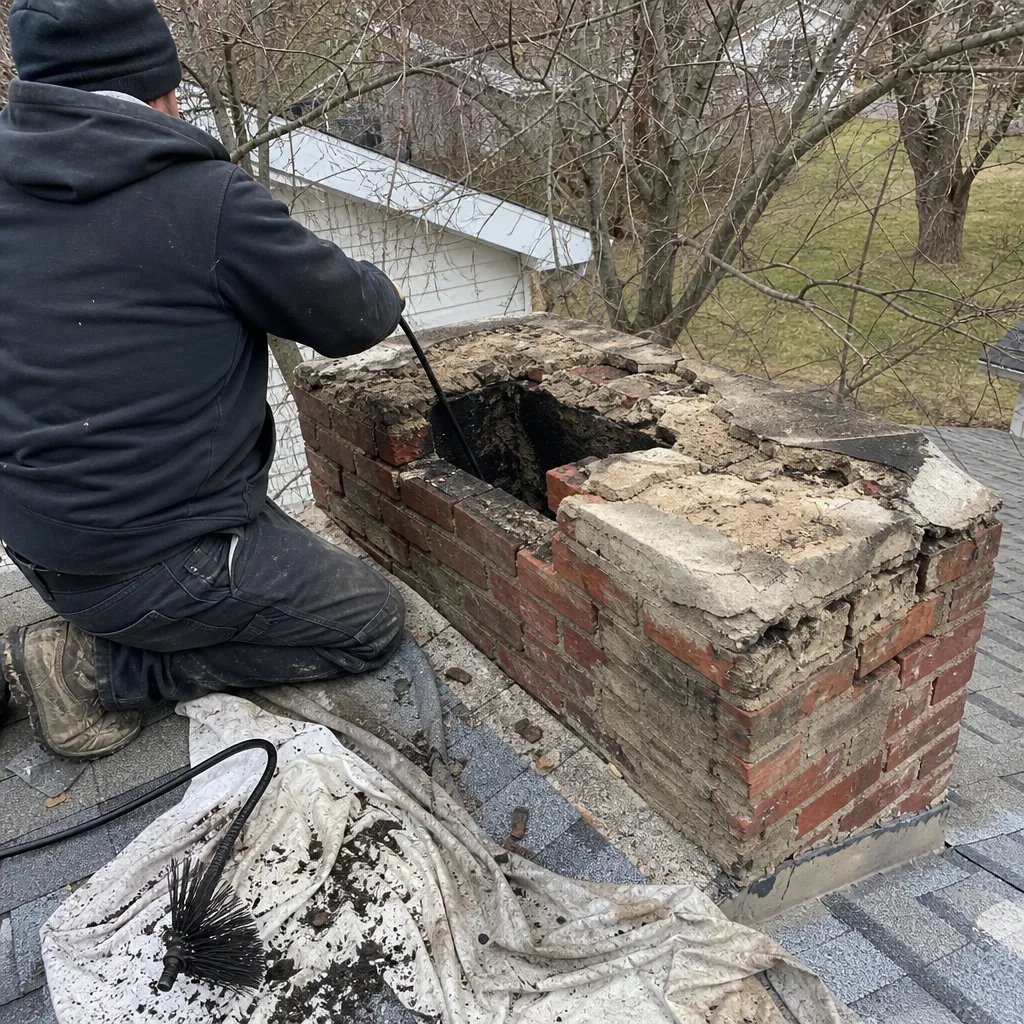 Before
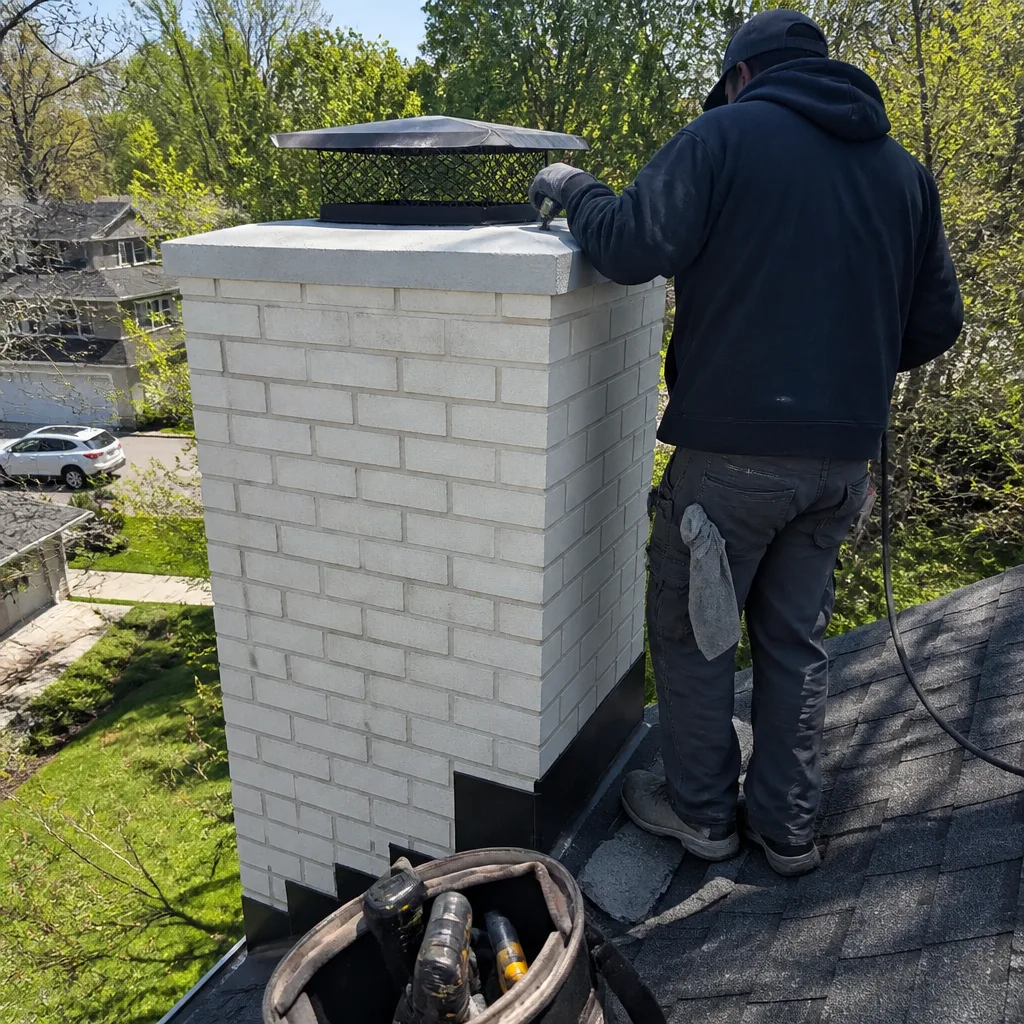 After
After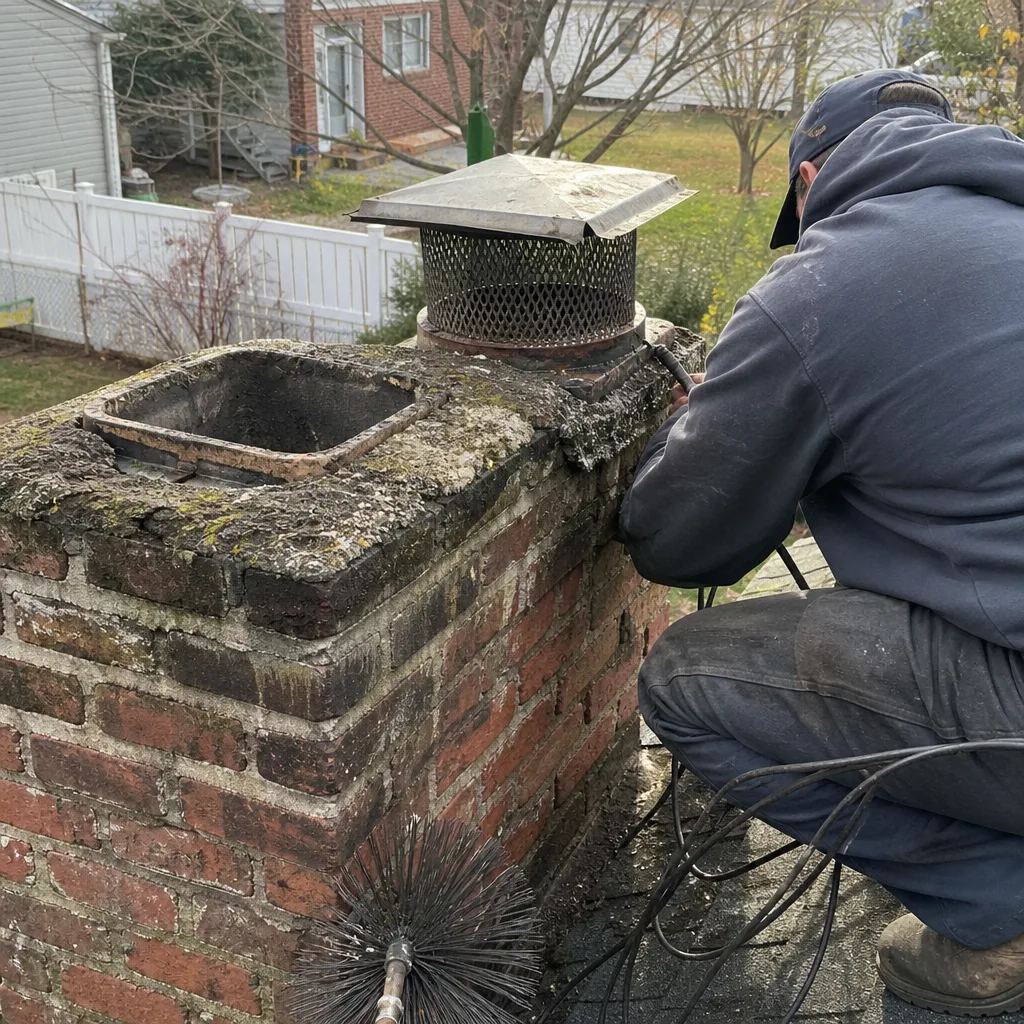 Before
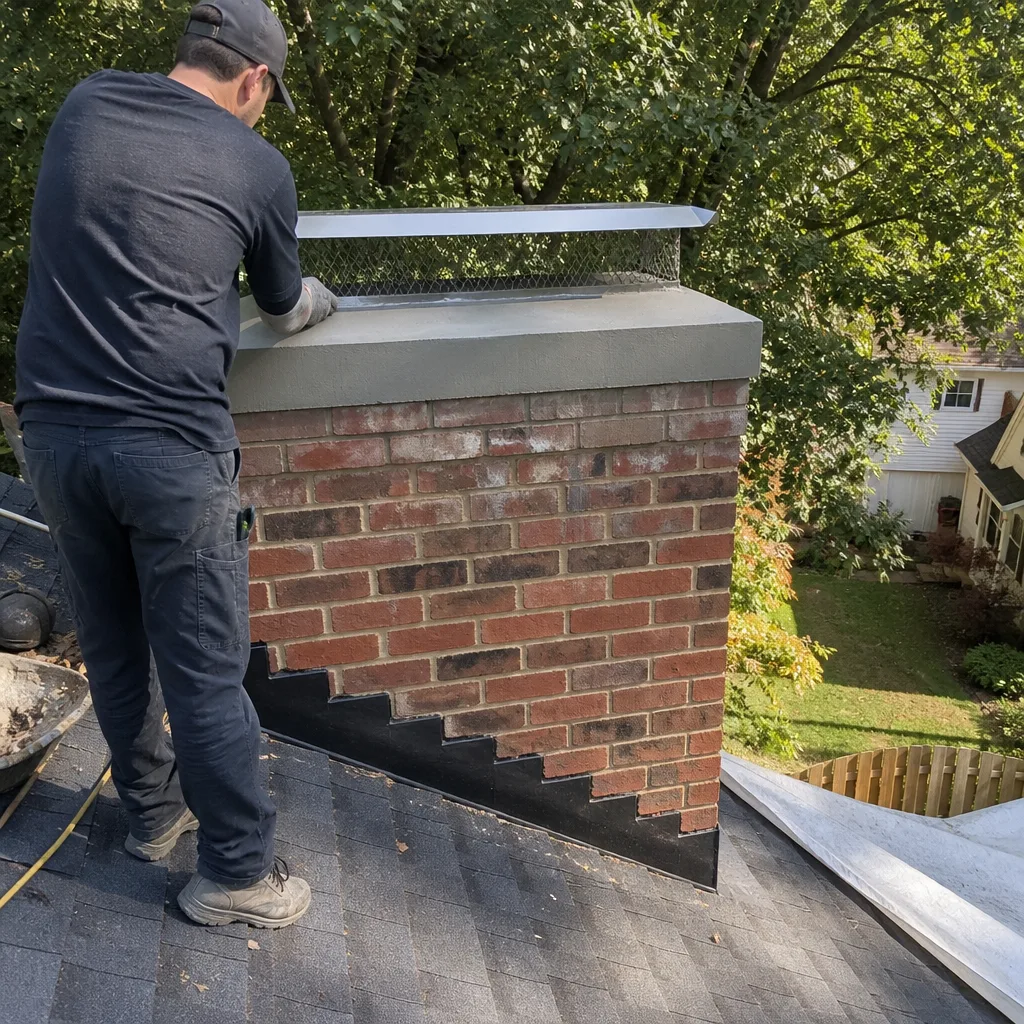 After
AfterChimney Cleaning Permits, Codes & Inspections in MD: What You Need to Know
Maryland homeowners spend an average of $400-$900 more on chimney repairs when the work was done without permits. That’s not the cost of fines. It’s the cost of tearing out and redoing work that failed the inspection a buyer’s agent ordered during the sale. The permit question almost never starts with the repair itself. It starts with whether you have a documented inspection record from the cleaning that found the problem in the first place. In Rockville, where most homes were built between 1960 and 1995, we see this sequence play out weekly. This guide covers what Maryland actually requires, what Montgomery County inspectors check, and how to build the paper trail that makes the whole process routine instead of reactive. For more on keeping your chimney in top condition, see our Chimney Cleaning & Sweep Maintenance Checklist for Rockville Homeowners.
Quick Answer
Chimney cleaning alone does not require a permit anywhere in Maryland. However, most repairs a cleaning uncovers-liner replacement, crown rebuilds, masonry repointing, or firebox repair-do trigger a permit under the International Residential Code (IRC) as adopted by Montgomery County. The piece most homeowners miss: the permit office wants documentation proving the repair is necessary, and a camera-scan inspection report satisfies that requirement when a verbal chimney-sweep report doesn’t.
Table of Contents
- What Maryland Actually Requires: Cleaning vs. Repair
- How NFPA 211 Fits Into Local Code
- What the Permit Office Will Ask For
- Montgomery County & Rockville Specifics
- Rental Property Rules in Maryland
- The Insurance Coverage Gap Nobody Explains
- Common Mistakes to Avoid
- When to Call a Professional
- Frequently Asked Questions
- The Bottom Line
BeforeAfterWhat Maryland Actually Requires: Cleaning vs. Repair
Maryland does not issue a state-level chimney permit. Building code enforcement happens at the county and municipal level, and every jurisdiction in the state has adopted some version of the International Residential Code. Under the IRC as written, chimney cleaning is classified as maintenance. It requires no permit, no filing, and no inspection by the county. Sweeping falls into the same category as changing your furnace filter or cleaning gutters.
Repairs are a different matter. Here’s a clear line:
- Cleaning and sweeping: No permit required. This includes removing soot, creosote, and minor blockages like bird nests from the flue.
- Chimney cap or crown repair: No permit in most Montgomery County cases. Replacing a cap or patching minor crown cracks is considered maintenance.
- Flue liner repair or replacement: Permit required. A stainless steel liner install or a HeatShield resurfacing job changes the flue’s dimensions and performance. Montgomery County treats this as a mechanical alteration.
- Masonry rebuilding or repointing beyond surface-level: Permit required when structural work affects the firebox, smoke chamber, or any load-bearing portion of the chimney stack.
- Fireplace insert or wood stove installation: Permit required. This is treated as a new appliance installation, not a maintenance action.
The practical consequence in Rockville is straightforward: you don’t need a permit to have your chimney swept. You very likely need one to fix whatever the sweep finds. And that’s exactly why the inspection record matters more than most homeowners realize.
If you’re starting from a Chimney Cleaning & Sweep in Rockville, the right process is: clean, document with camera footage, get a written report, then decide on repairs. That report is what the permit office wants to see before they’ll process your application.
How NFPA 211 Fits Into Local Code
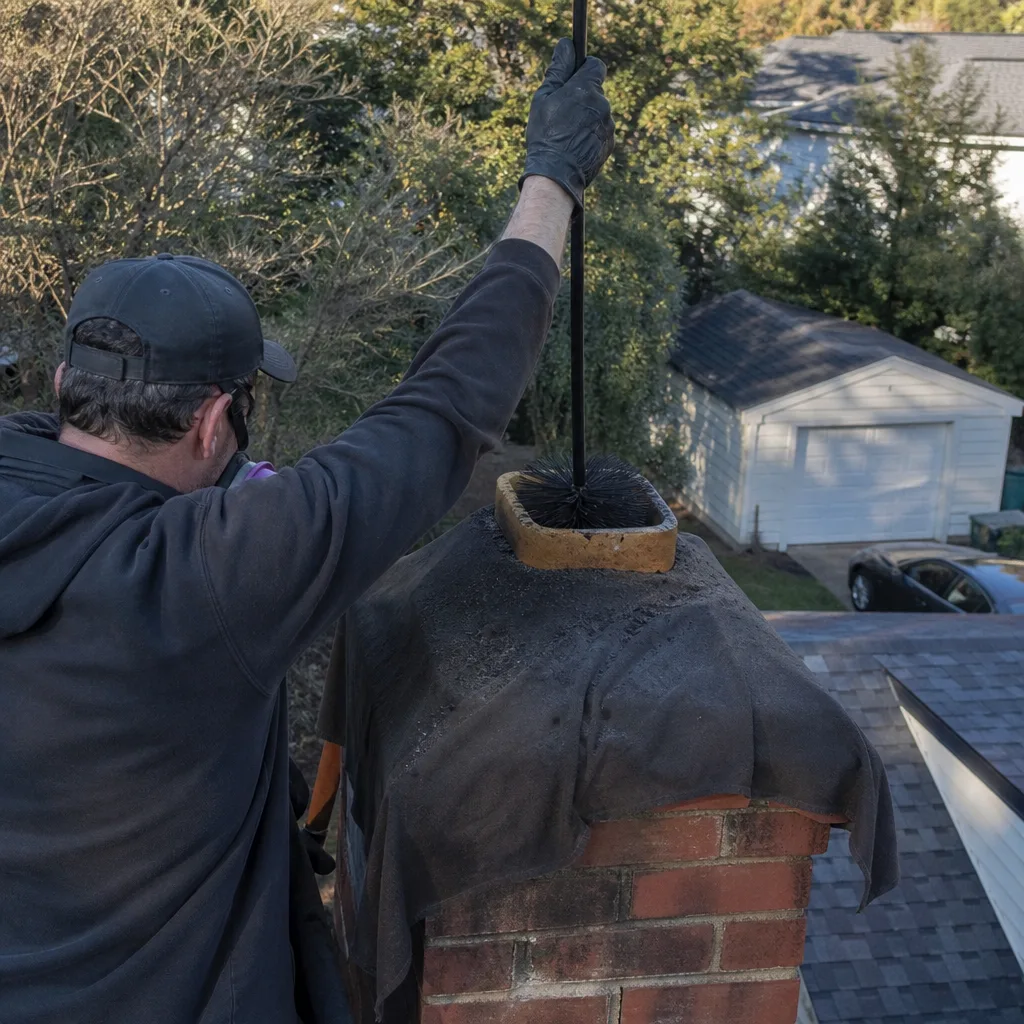
NFPA 211 is the national standard for chimneys, fireplaces, vents, and solid-fuel-burning appliances. It’s not a law by itself-it’s a standard that building codes reference. In Maryland, local jurisdictions that have adopted the IRC effectively incorporate NFPA 211’s requirements for chimney inspection levels and clearance-to-combustibles rules.
Here’s what that means in plain terms. The IRC says your chimney must be “maintained in a safe condition.” NFPA 211 defines what “safe” means, right down to the three inspection levels:
- Level 1: A visual inspection of the readily accessible portions of the chimney. This is what most basic sweeps include. No special tools, no camera, no removal of any components.
- Level 2: Includes everything in Level 1, plus a camera scan of the flue interior and inspection of accessible attics, crawl spaces, and basements where the chimney passes through. NFPA 211 requires a Level 2 inspection whenever there’s a change to the system-like a new liner, a new appliance, or a property transfer.
- Level 3: Includes Levels 1 and 2, plus the removal of building components (drywall, masonry, etc.) to access concealed areas of the chimney. This is only needed when a Level 1 or 2 inspection reveals a suspected hazard that can’t be confirmed without removal.
What Rockville and Montgomery County inspectors actually check depends on what’s being permitted. For a liner replacement, they’ll verify the new liner meets UL 1777 standards (if it’s stainless) or the manufacturer’s listing (if it’s a resurfacing product like HeatShield or Gelco). They’ll check that clearances to combustibles meet the minimums in NFPA 211 Table 13.1. They’ll look at the chimney cap and crown condition because a deteriorating crown undermines whatever liner work was just done.
What inspectors don’t do: they don’t run a camera down the flue to verify the liner was installed correctly. That’s the installer’s documentation responsibility. Which brings us to the next point-what you need to hand over to the permit office to get the repair approved in the first place.
What the Permit Office Will Ask For
Here’s the sequence that catches homeowners off guard. You call a chimney company because you smell smoke or your fireplace isn’t drafting. The tech comes out, looks around, and tells you the flue liner is cracked and you need a $4,000 replacement. You say yes. The tech says “we don’t need a permit for this.” The work gets done. Then you sell your house two years later, and the buyer’s inspector flags the liner as non-compliant because there’s no permit on record with the county.
It happens in Montgomery County more than it should, and it’s avoidable if you get the documentation right before work starts.
When a repair follows a cleaning, the Montgomery County Department of Permitting Services will typically ask for:
- A written description of the proposed work: not a text message from the tech. A scope of work document that names the specific repair, the materials being used, and the location.
- Evidence the work is necessary: this is where the camera footage saves you. Photos or video of the damaged flue liner, the spalling brick, or the failing mortar joints establish that the repair isn’t cosmetic. A verbal report from a sweep who “saw it with a flashlight” doesn’t carry the same weight.
- Manufacturer documentation: for a liner system, the permit office wants the product’s UL listing or equivalent testing standard. Brands like Olympia Chimney and DuraFlex publish these specs, and a reputable installer provides them without being asked.
- A plan for what’s being replaced: if the repair changes the chimney’s dimensions at all-a liner resizing, a firebox rebuild, a smoke chamber parging change-the permit review wants to see the before and after.
This is exactly why Level Two Chimney Rockville made camera-scan documentation standard on every single visit in 2009. Clause 4 of the Haven Standard requires a documented photo record on every job. That archive-running continuously since 2009-is the difference between a permit application that gets approved in a week and one that stalls for a month while you track down evidence that was never collected.
If you’re having Chimney Repair in Rockville done, the permit office isn’t asking for a favor. They’re asking for proof the work is real and necessary. Camera footage is proof. A verbal report is a claim.
Montgomery County & Rockville Specifics
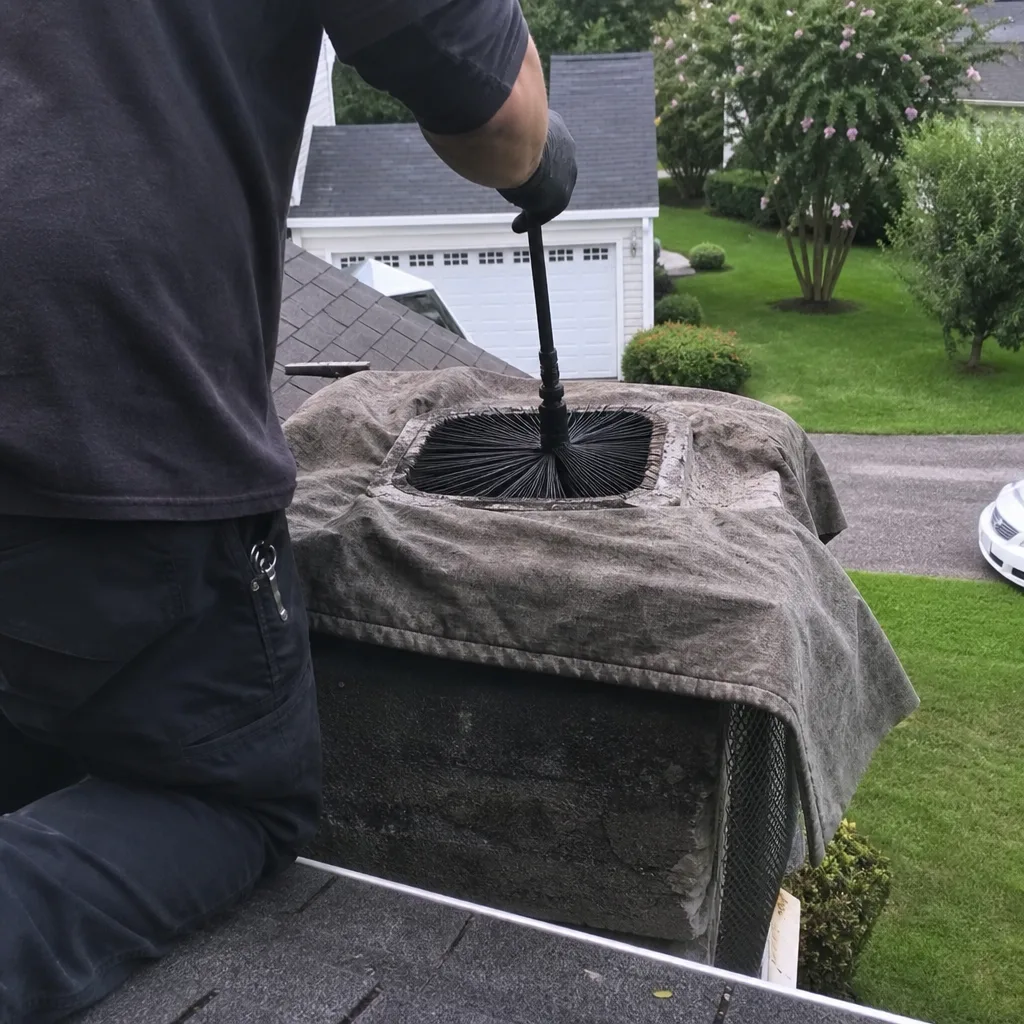
Most Rockville homes fall under Montgomery County’s permit jurisdiction. The City of Rockville does not operate its own separate chimney code-the county’s Department of Permitting Services handles plan review, permitting, and inspections for chimney work. This matters because Montgomery County has some of the strictest code enforcement in Maryland, and its inspectors tend to look at chimney permits through the lens of fire safety rather than structural preservation.
Specifics that affect Rockville homeowners:
- Insurance verification: Montgomery County requires proof of liability insurance before issuing a permit for chimney work. If your contractor can’t produce a certificate, the permit won’t move. This is one reason insisting on a licensed, insured contractor isn’t just about your protection-it’s about getting the permit through.
- Historic district overlay: parts of Rockville fall within historic review areas, particularly near West Montgomery Avenue and the older neighborhoods off North Washington Street. Chimney work that changes the exterior appearance-even replacing a cap with a different style-may require an additional review. The permit office will flag it, but only if you disclose the location accurately.
- Climate-specific wear: Rockville’s freeze-thaw cycles are hard on masonry chimneys. Water seeps into brick pores, freezes overnight, and expands by about 9% in volume. Over a decade of Maryland winters, that cycle causes spalling-the flaking and crumbling of brick faces-and crown cracking. Inspectors here know this pattern well and look for it specifically when reviewing repair permits.
- Fees: Montgomery County’s permit fees for chimney work are based on the valuation of the project. A typical liner replacement permit runs between $100 and $300 depending on scope. Masonry rebuilds go higher. It’s a fraction of the repair cost, and skipping it costs far more when the work comes up in a pre-sale inspection.
We’ve swept thousands of chimneys in Rockville’s older subdivisions-Twinbrook, Woodley Gardens, New Mark Commons, Hungerford. The houses differ. The code doesn’t. If the flue liner is cracked and you’re selling, the buyer’s inspector will find it, and unpermitted work becomes your problem at the worst possible time.
Rental Property Rules in Maryland
Maryland treats rental properties differently when it comes to chimneys. Landlords don’t just have a code obligation-they have a habitability obligation under Maryland real property law. A landlord who fails to maintain a wood-burning appliance in safe working condition can be held liable for damages well beyond the cost of the repair.
Here’s what Maryland landlords need to know:
- Carbon monoxide detectors are mandatory: Maryland law (the Carbon Monoxide Alarm Law, effective 2008 and updated since) requires CO detectors in rental units with fuel-burning appliances or attached garages. A wood-burning fireplace counts. If your rental chimney has a blockage, the CO risk isn’t theoretical-it’s a legal exposure.
- Annual inspection expectation: while Maryland doesn’t codify “sweep every year,” NFPA 211’s Level 1 annual inspection expectation is the standard a court will apply when determining whether a landlord was negligent. A landlord who can’t produce any record of chimney maintenance is in a weak position.
- Documentation protects the landlord: the rental inspection requirements in Montgomery County get stricter when there are multiple units, but even a single-family rental benefits from a documented sweep record. A camera-scan report that shows a clear flue is a defense. A verbal assurance from a prior tenant is not.
- Tenant-installed unvented gas logs: this is a recurring problem in Rockville rentals. Tenants buy an unvented gas log set, install it in a wood-burning fireplace without closing the damper properly, and the unit produces moisture and combustion byproducts that damage the flue and the surrounding masonry. The landlord discovers it when the next sweep shows advanced deterioration. That discovery often triggers the permit conversation.
For a Rockville landlord, the right sequence is: sweep and camera-scan between every tenant turnover, deliver the report with the lease, and address any repair that shows up in writing before the next tenant moves in. It’s not just good practice-it’s the cheapest insurance policy available against a habitability claim.
If you own a rental in Rockville and it has a fireplace, we’d recommend a Fireplace Services in Rockville visit between tenants. It’s less expensive than a habitability defense.
The Insurance Coverage Gap Nobody Explains
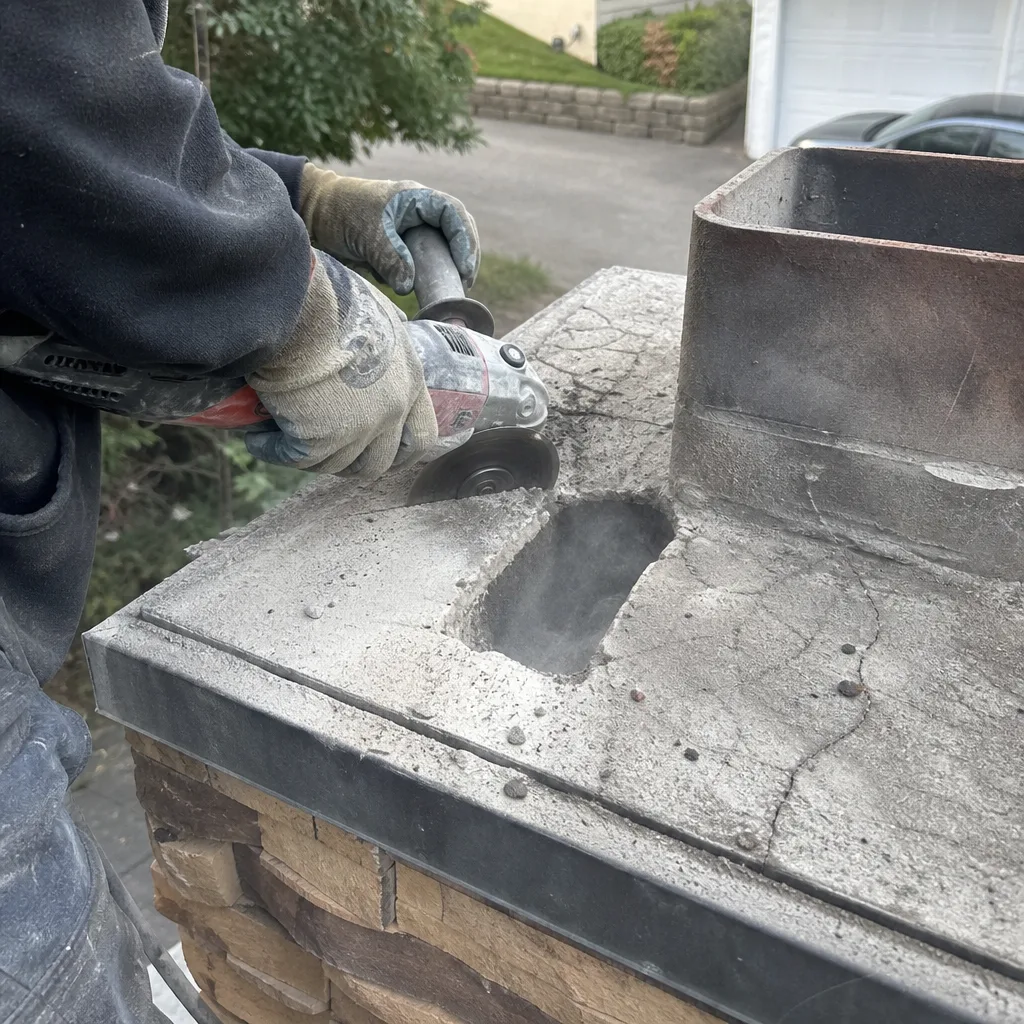
Here’s a conversation that happens far too often after a chimney fire in Maryland. The homeowner calls their insurance company, files a claim for the fire damage, and then hears something they didn’t expect: “Was the chimney work done by a licensed contractor with a permit? Do you have the documentation?”
If the answer is no-or if the homeowner can’t produce records-the claim gets complicated.
Most Maryland homeowners policies exclude coverage for damage caused by “latent defects” or “faulty workmanship.” That means if a poorly installed flue liner fails and causes a fire, the insurance company has grounds to deny the claim on the theory that the liner installer’s workmanship caused the loss. The homeowner’s recourse would be against the installer-who may be out of business, uninsured, or impossible to find.
If the work was permitted and inspected, the insurance company has less room to argue. A permitted liner installation that passed a county inspection is typically treated as a covered loss if something later fails. The permit record creates a presumption that the work was done to code, and the burden shifts to the insurer to prove otherwise.
This is the coverage gap most agents don’t explain when you buy the policy. They’ll tell you chimney fires are covered. They won’t tell you that a chimney fire that traces back to unpermitted work can be denied entirely.
If you’ve had chimney work done in Rockville without a permit, the time to fix this is now-not after a fire. Pull the permit retroactively where the county will allow it, get the work inspected, and start building your documentation file. If the work can’t be retroactively permitted, you may be looking at a tear-out and redo. The $400-$900 average overrun I mentioned at the top of this page is almost always a tear-out and repair scenario, not a fine.
Materials matter here too. A liner system from a manufacturer like HeatShield or Famco, installed with the manufacturer’s documentation on file, gives your insurance company the paper trail they want to see. It’s one reason we source materials through Haven’s buying network specifically to keep customer prices honest while maintaining the documentation chain.
Common Mistakes to Avoid
- Assuming the sweep pulled a permit. Most sweeps don’t. They clean, they flag problems, and they leave. If a repair is needed, the permit is a separate step-and if your contractor says “we don’t need a permit for this,” verify that against the Montgomery County Department of Permitting Services, not against the contractor’s convenience.
- Accepting a verbal report instead of camera footage. “The liner is cracked” is a claim. Camera footage showing the cracks is evidence. The permit office wants evidence. The insurance company wants evidence. Your buyer’s agent wants evidence. Insist on it.
- Waiting until the house is under contract to address known chimney issues. By then, the buyer’s inspector has flagged the problem, the buyer is asking for a credit, and you’re negotiating from a deadline. The repair is the same repair-but you’ve lost control of the timeline and the contractor selection.
- DIY liner “fixes” from a kit. There are products sold online that promise DIY chimney liner repairs. Installing a flue liner is not a maintenance task. It’s a code-governed alteration that requires an understanding of clearances, UL listings, and NFPA 211 requirements. We’ve seen DIY liner jobs fail within one heating season in Rockville.
- Paying for the cheapest repair without documentation. A cheap liner install with no permit, no manufacturer documentation, and no photo record is not cheaper. It’s a future expense waiting to happen, and the next homeowner will pass it back to you through the inspection process.
- Forgetting that Montgomery County’s permit fees are less than the cost of redoing unpermitted work. A $200 permit beats a $4,000 tear-out. Every time.
When to Call a Professional
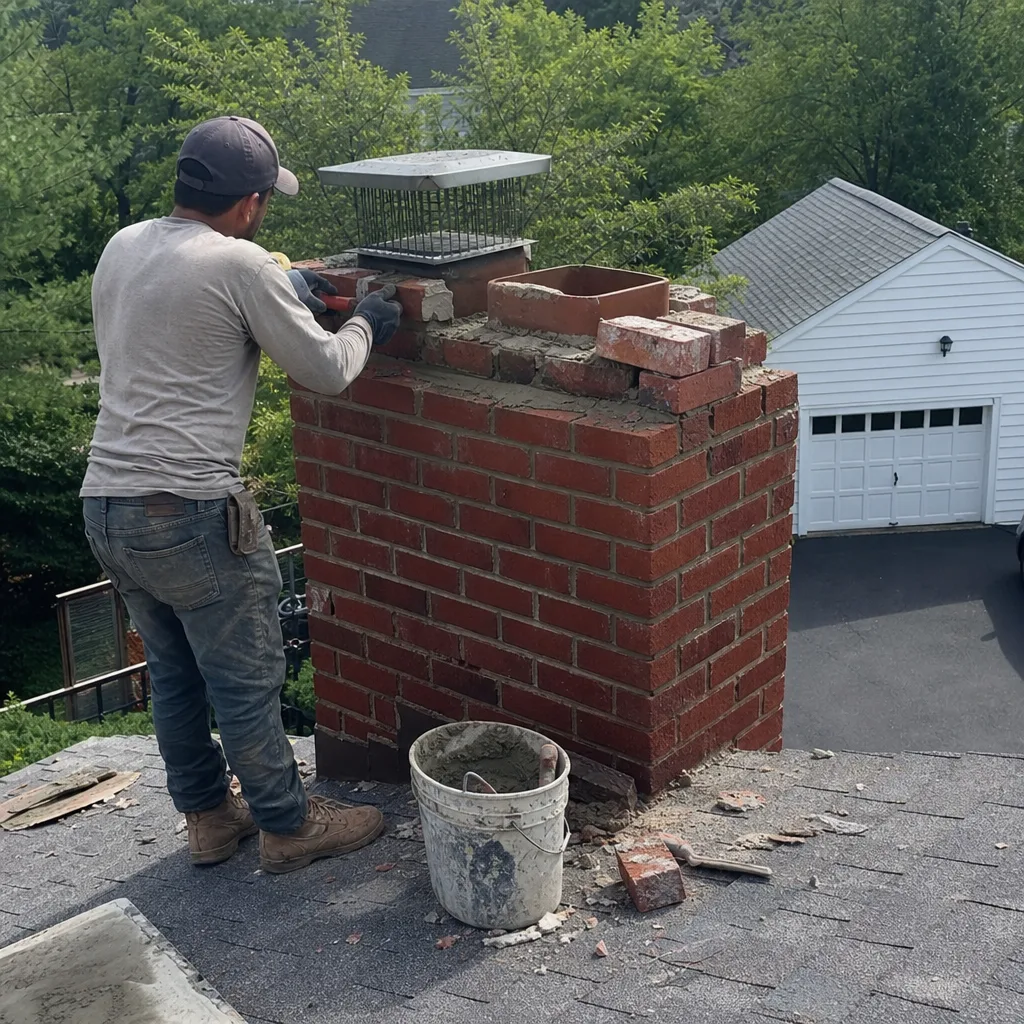
You should call a professional chimney company when: you smell smoke in the house after the fire is out, you see white staining (efflorescence) on the exterior brick, you hear water dripping in the flue during rain, your fireplace has been unused for more than a season in a Rockville home built before 1995, or you’re preparing to sell and want the chimney documentation in order before the buyer’s inspector arrives. If you notice spalling brick, crumbling mortar joints, or a cracked chimney crown from the ground, those are structural red flags. And if you’ve had any work done that you can’t document, get a camera-scan inspection now so you know what you’re dealing with. Level Two Chimney Rockville offers free estimates in Rockville-call (571) 376-7052.
Frequently Asked Questions
No. Chimney cleaning is classified as maintenance under the IRC and no Maryland jurisdiction requires a permit for sweeping. The permit question arises when the cleaning reveals damage that requires repair, at which point the repair itself may need a permit depending on its scope.
In Rockville, a standard chimney sweep with a Level 1 inspection typically ranges from $150 to $280. A cleaning that includes a camera-scan inspection (NFPA 211 Level 2) runs higher, usually $250 to $450, because of the specialized equipment and documentation involved. A camera-scan is worth the difference if you’re buying or selling, or if the chimney hasn’t been inspected in years. Call (571) 376-7052 for a written quote.
In Montgomery County, flue liner replacement, masonry rebuilding of the firebox or smoke chamber, and stove or insert installation all require permits. Spark arrestor or chimney cap replacement and minor crown patching typically don’t. When in doubt, contact Montgomery County’s Department of Permitting Services with the scope of work in writing.
Possibly not. Maryland insurers commonly exclude coverage for damage caused by faulty workmanship, and unpermitted work creates a presumption of faulty workmanship. If a chimney fire traces back to an unpermitted repair, the claim can be denied. Permitted and inspected work shifts the burden back onto the insurer.
A Level 2 inspection includes everything in a Level 1 visual check, plus a camera scan of the flue interior and inspection of accessible areas where the chimney passes through the house. NFPA 211 requires it whenever there’s a change to the system-new liner, new appliance, property transfer-and Montgomery County permit applications typically expect Level 2 documentation to support repair work.
Yes. Fireplace insert installation is treated as a new appliance installation under Montgomery County code, not as maintenance. The insert must be listed for the application, the existing flue must be evaluated for compatibility (often requiring a liner), and the permit must be in place before installation begins.
The Bottom Line
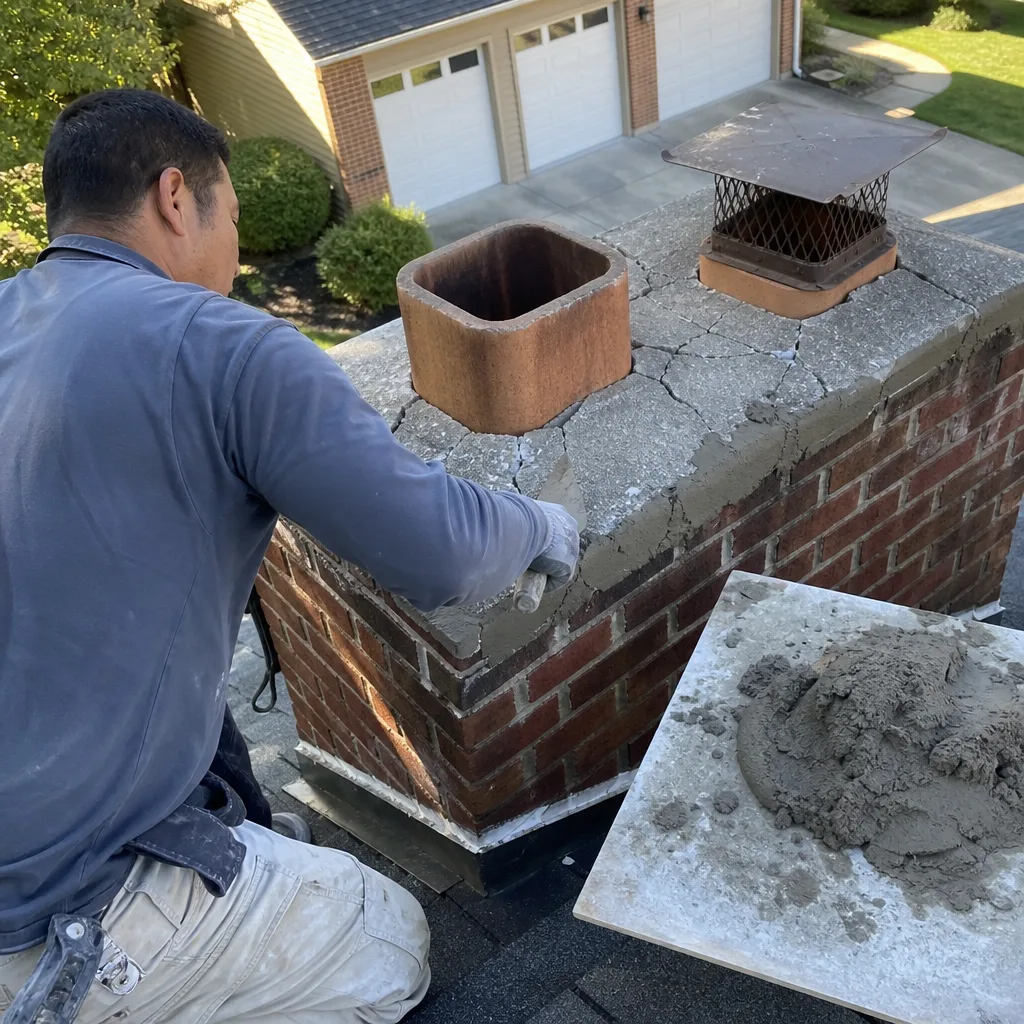
Chimney cleaning in Maryland doesn’t need a permit-but the repairs that cleaning uncovers almost always do, and the difference between a smooth permit process and a stalled one is documentation. For a deeper look at the process, read The Complete Guide to Chimney Cleaning in Rockville. Get the camera-scan inspection. Keep the report. Pull the permit before the repair, not after. If you’re buying, selling, renting, or insuring a Rockville home with a fireplace, the paper trail is your most valuable asset. Skip the permit, and the average $400-$900 in re-do work becomes a line item on your resale. Do it right, and the whole process is routine.
Written by Corrine Halstead, Owner at Level Two Chimney Rockville, serving Rockville since 2009.
Request a Free Estimate in Rockville
Tell us what you need - Level Two Chimney Rockville responds fast. No obligation.