
Last updated September 20, 2026
Level 1 sweep and inspection to the NFPA 211 annual standard - flue, crown, cap, and flashing checked and photographed
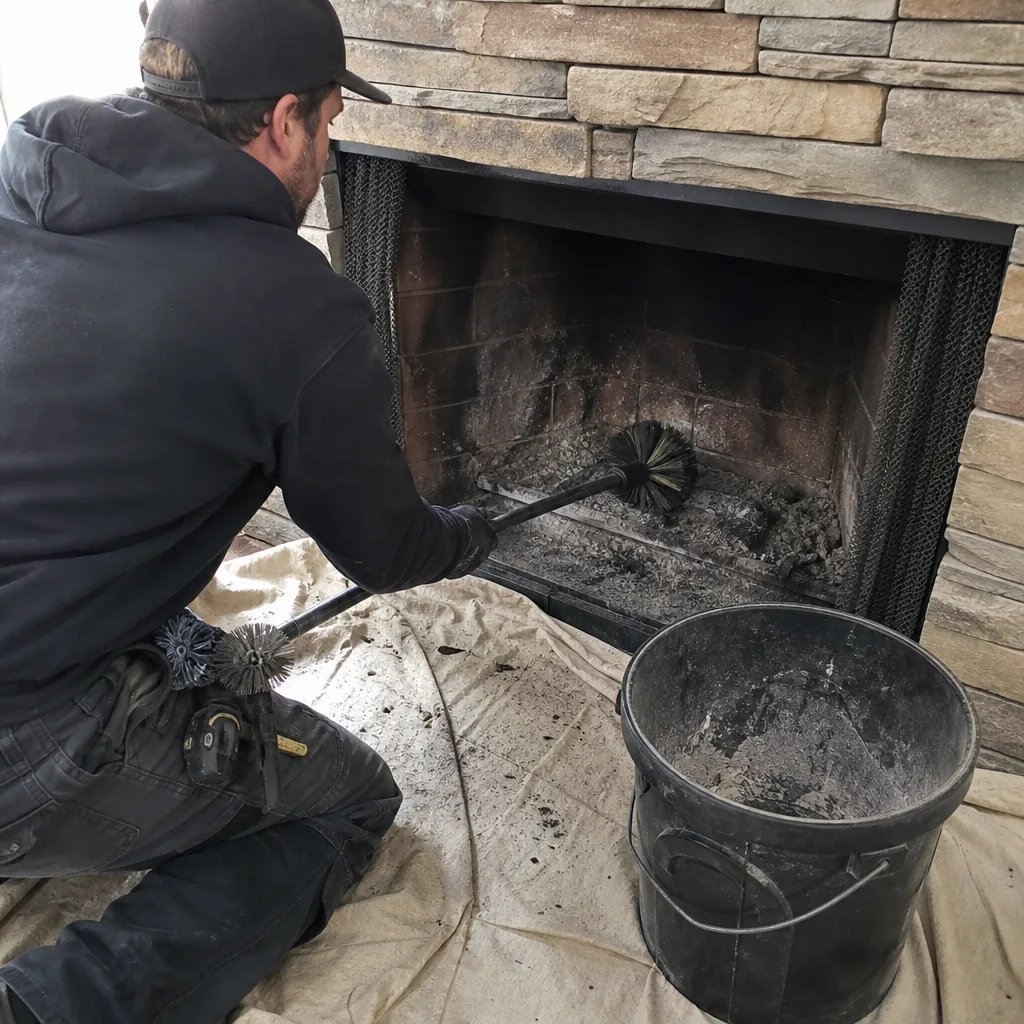
Chimney sweep logs do not sweep chimneys. They loosen some creosote - which then falls where a brush and vacuum still have to collect it.
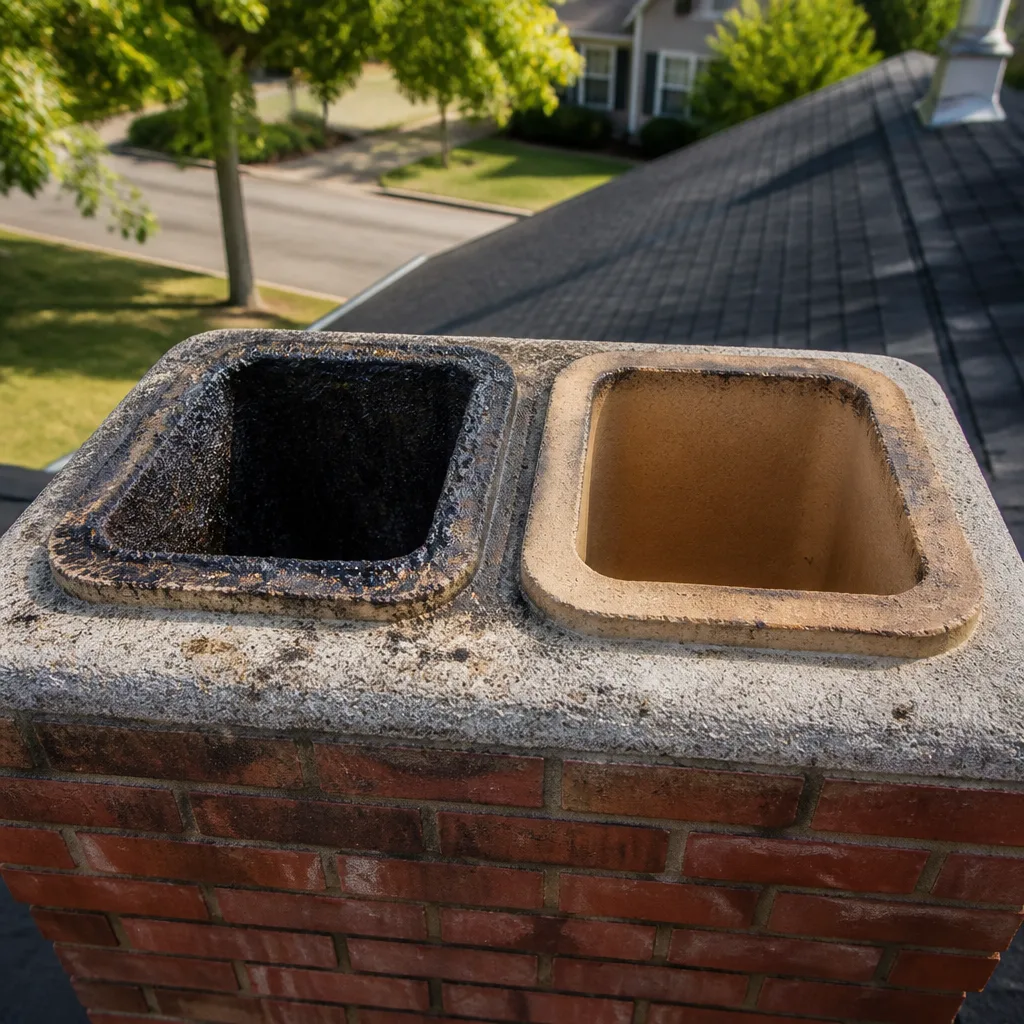
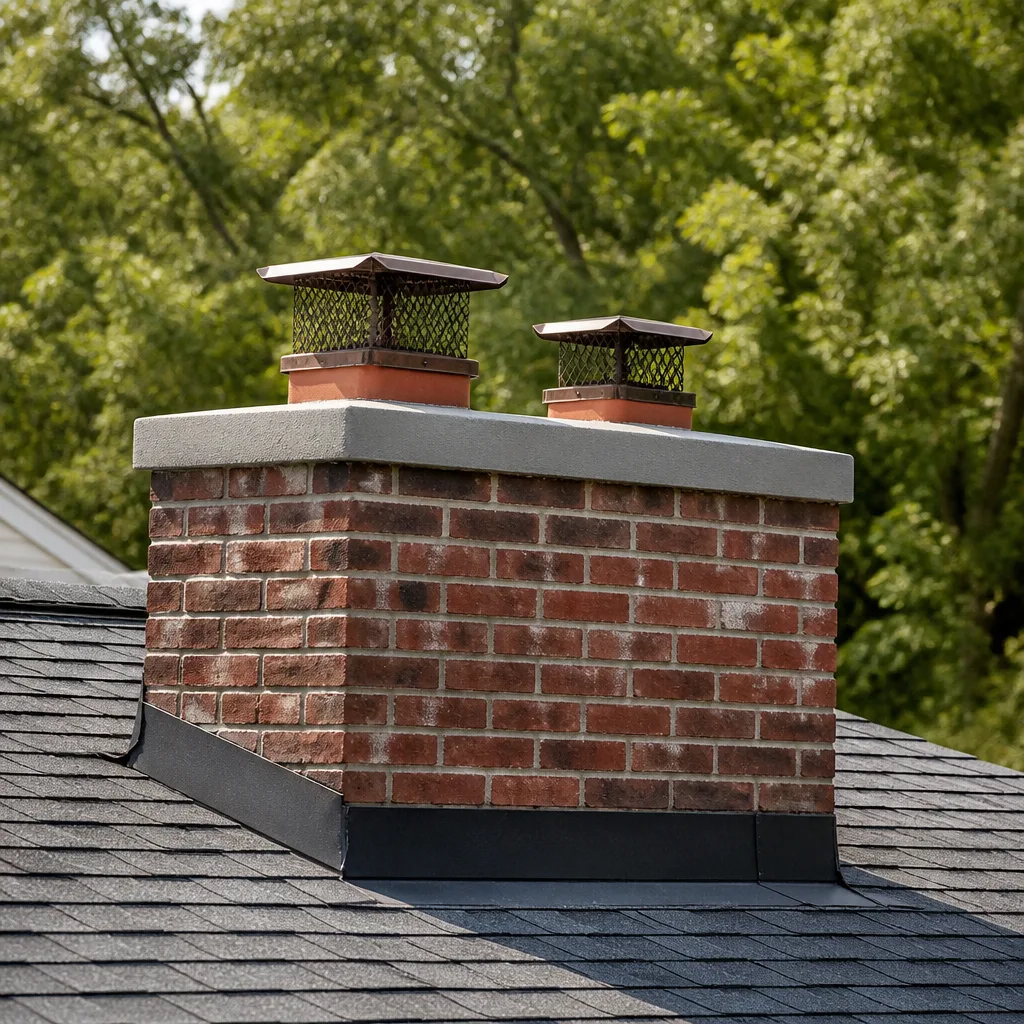
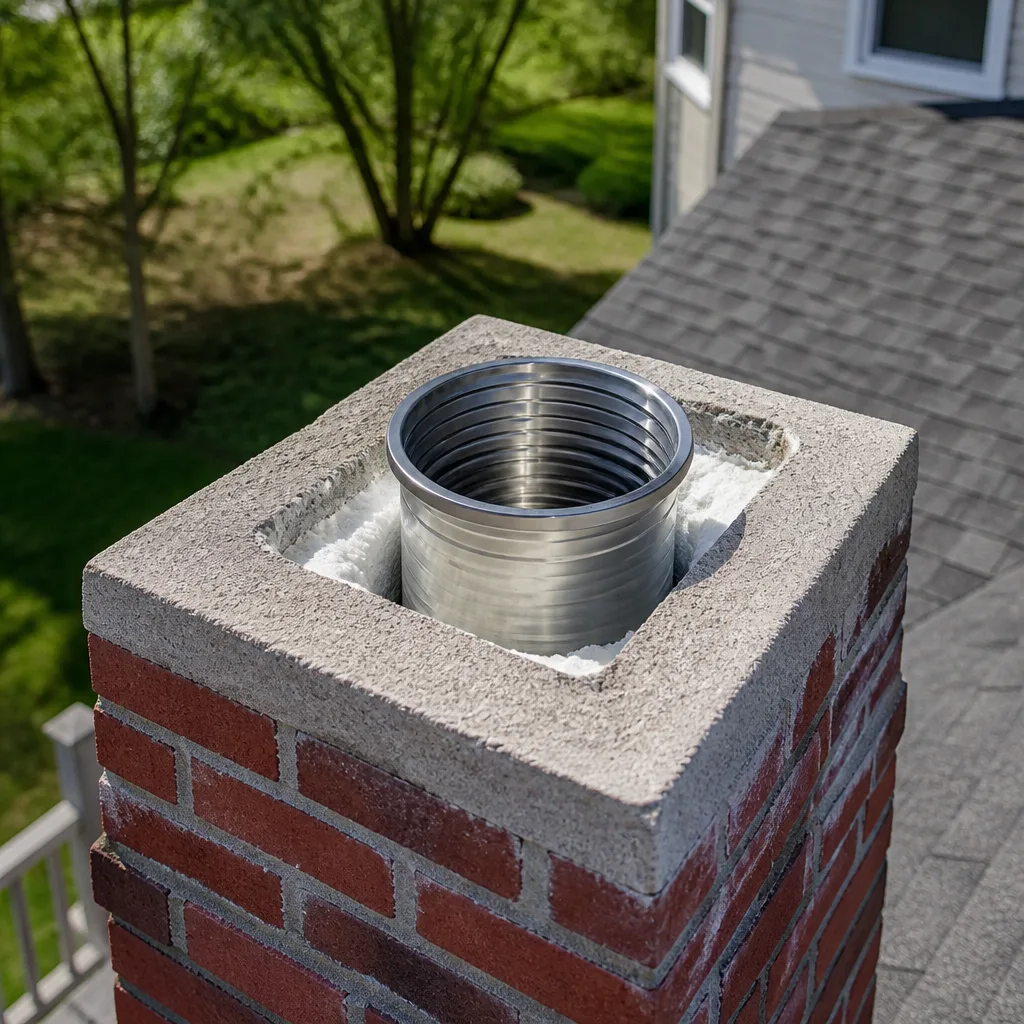
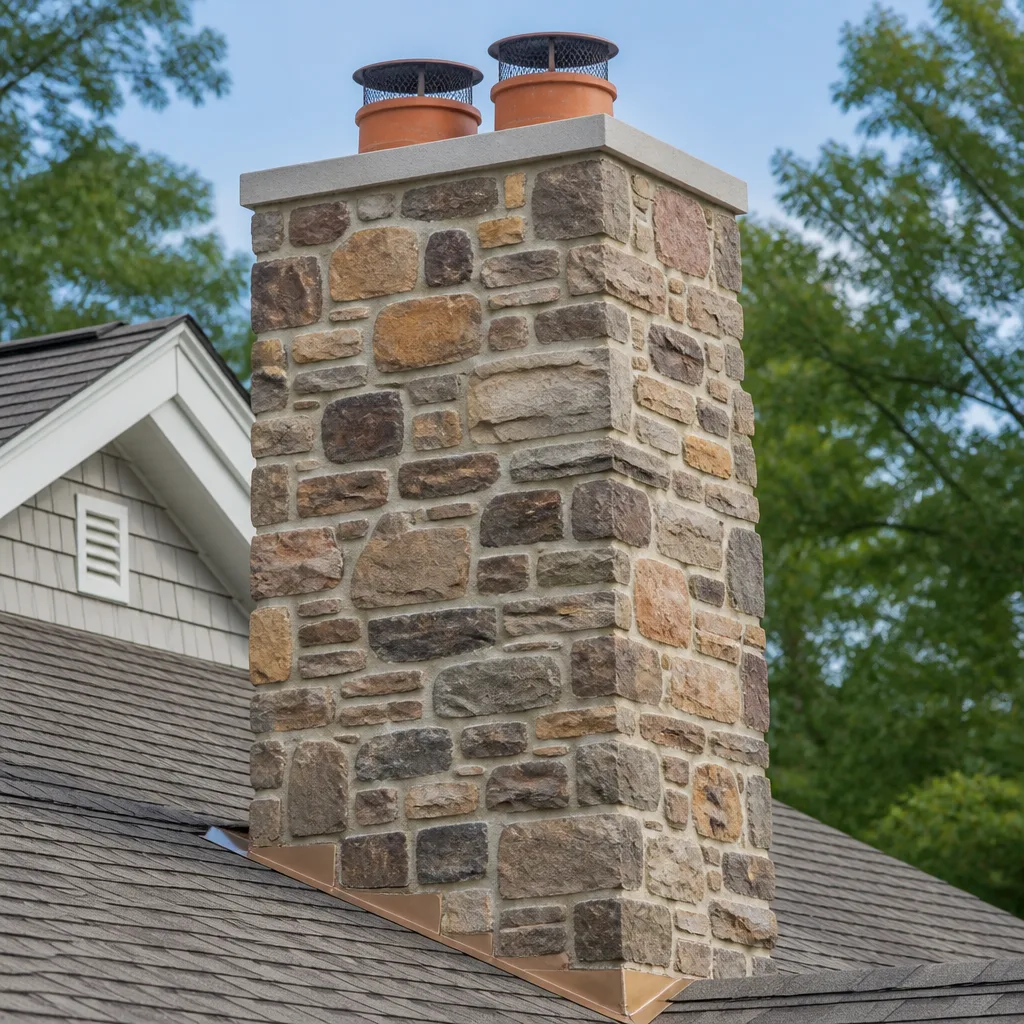
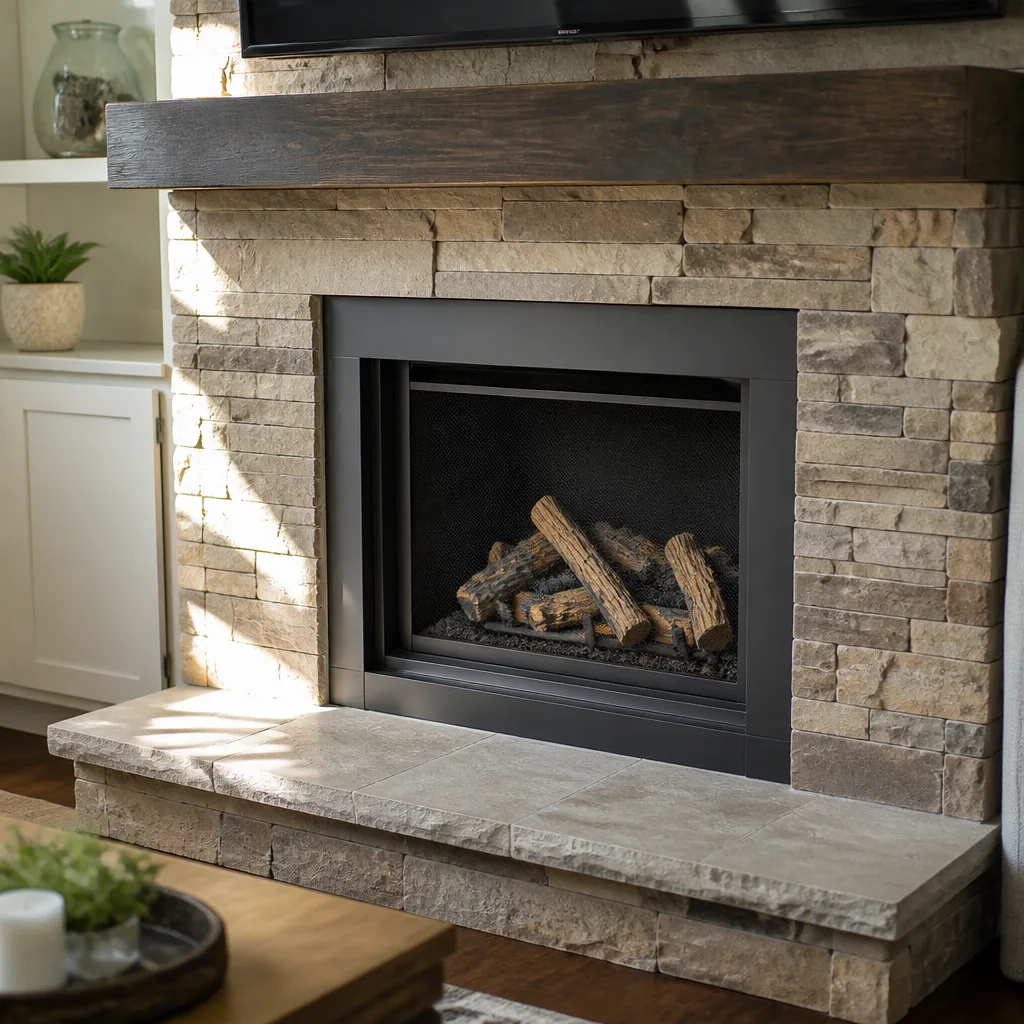
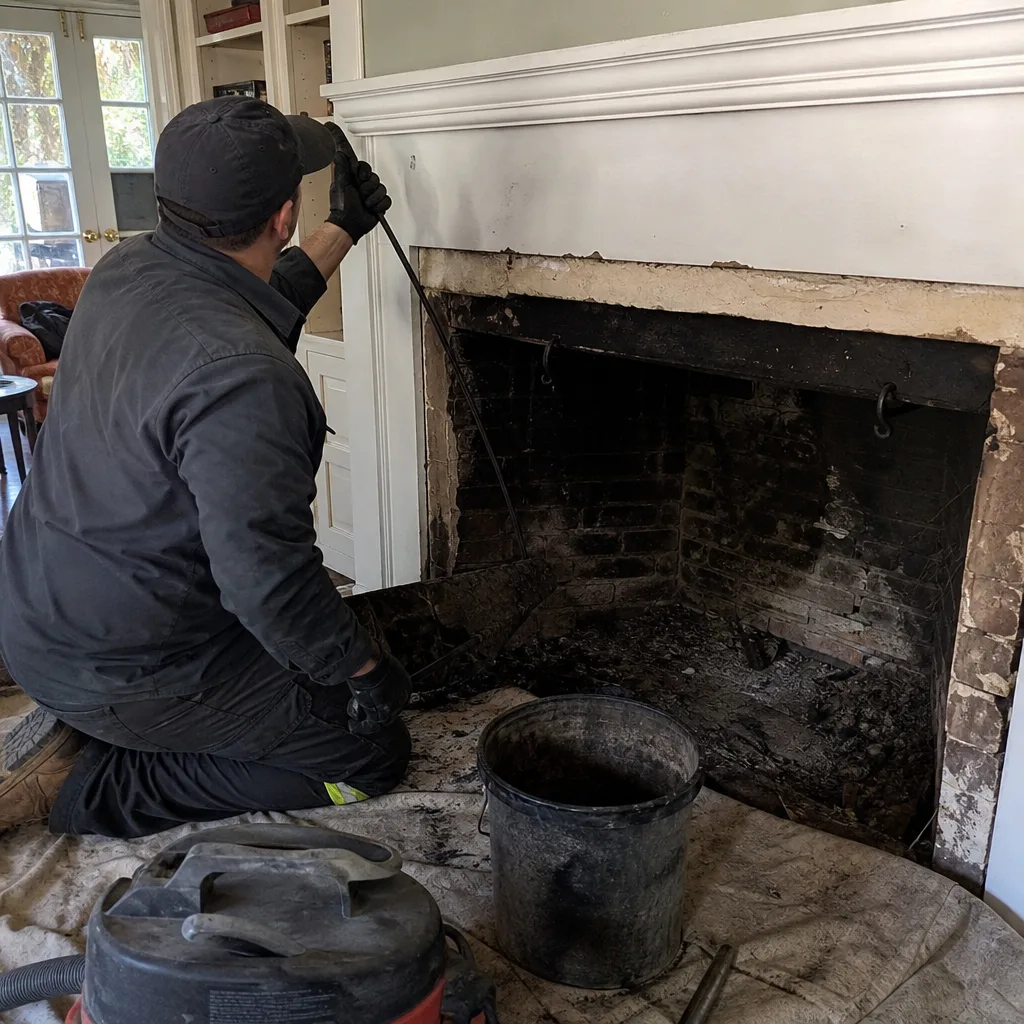 Before
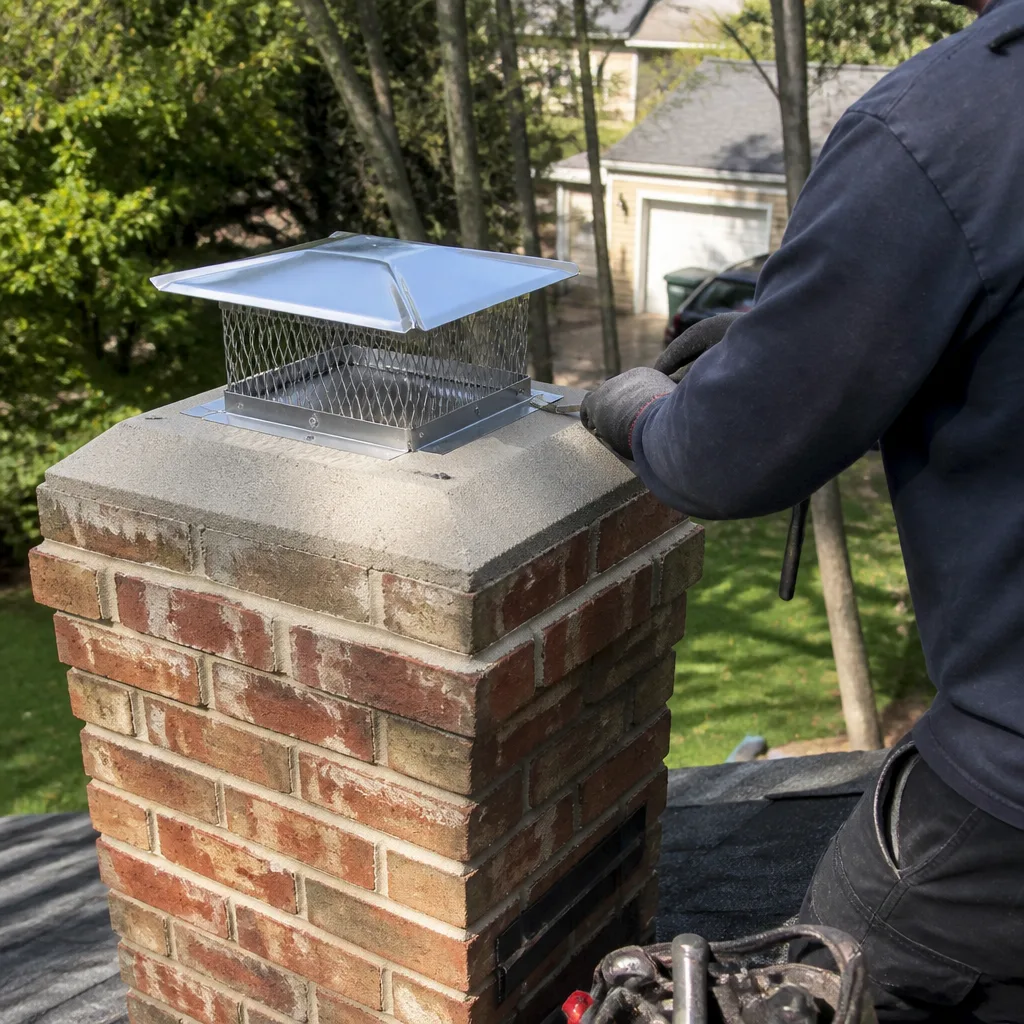 After
After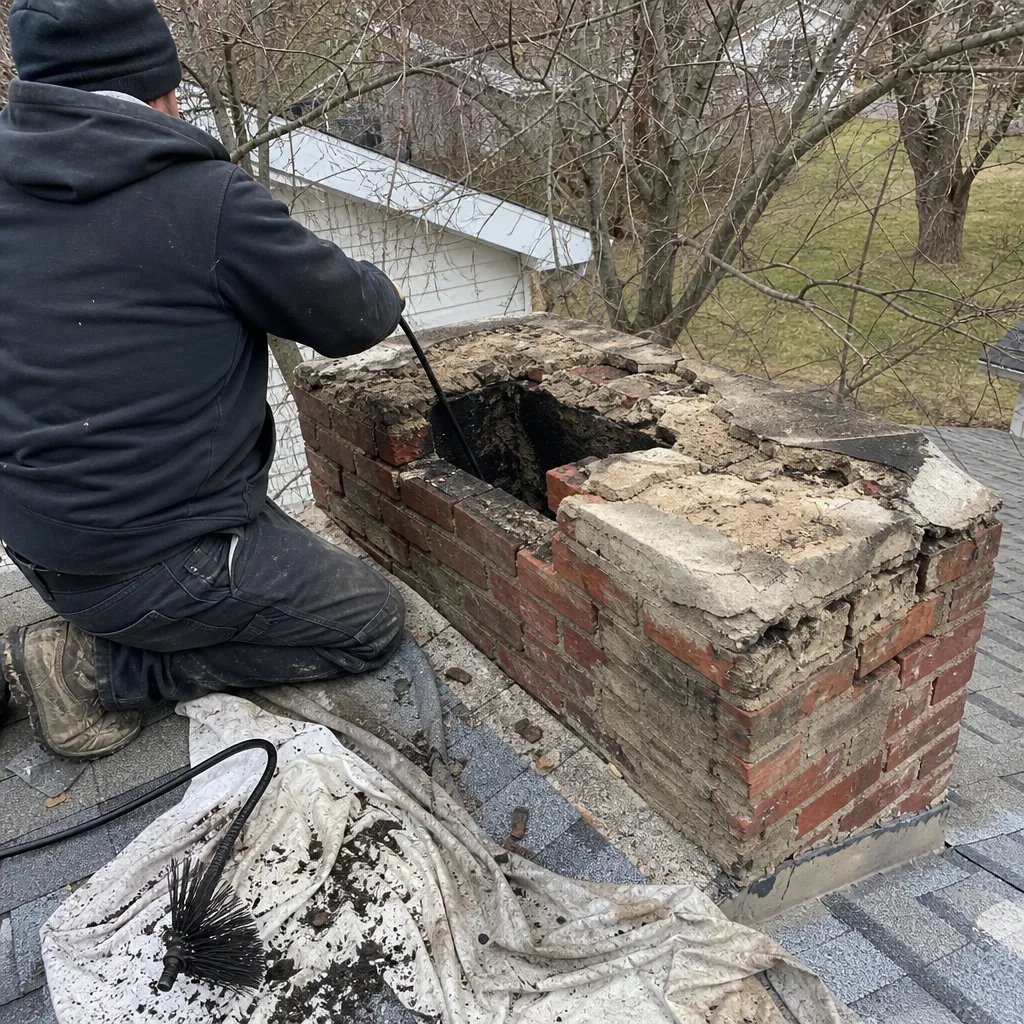 Before
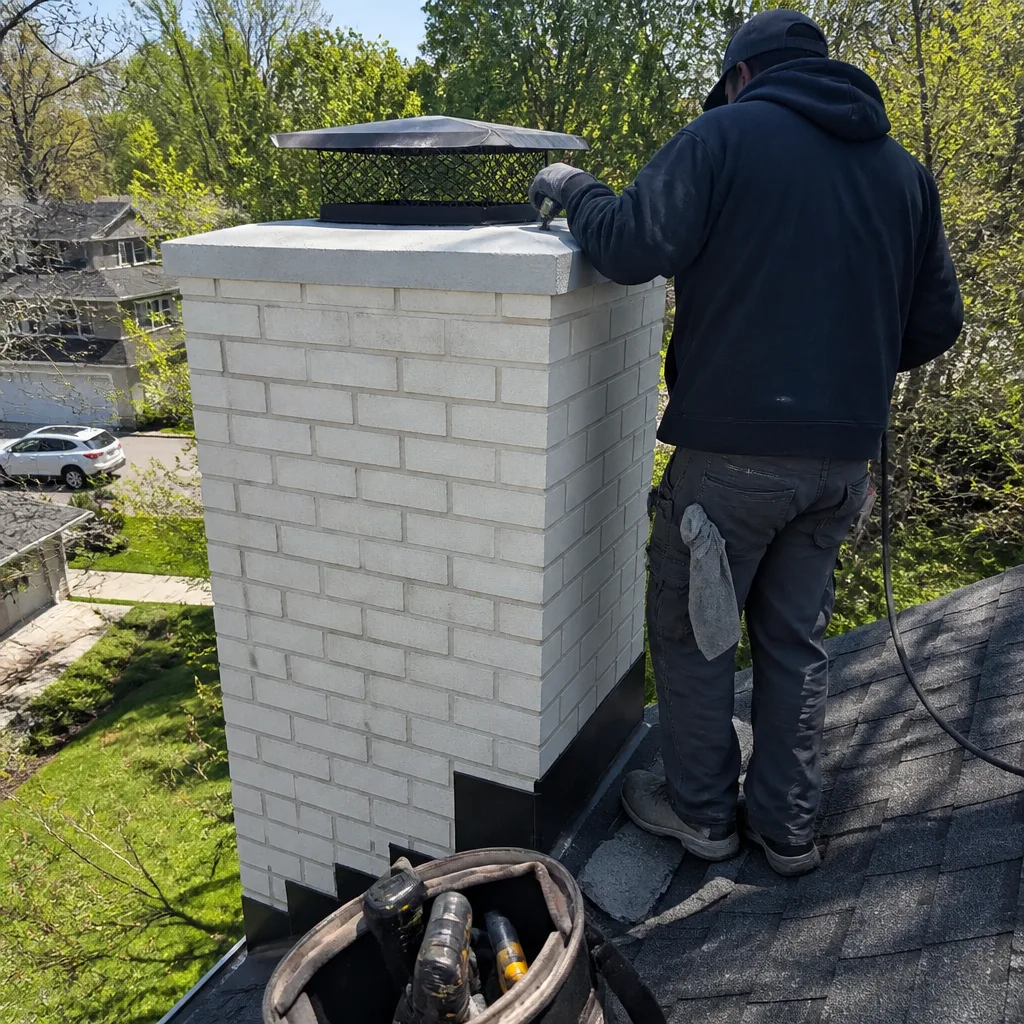 After
After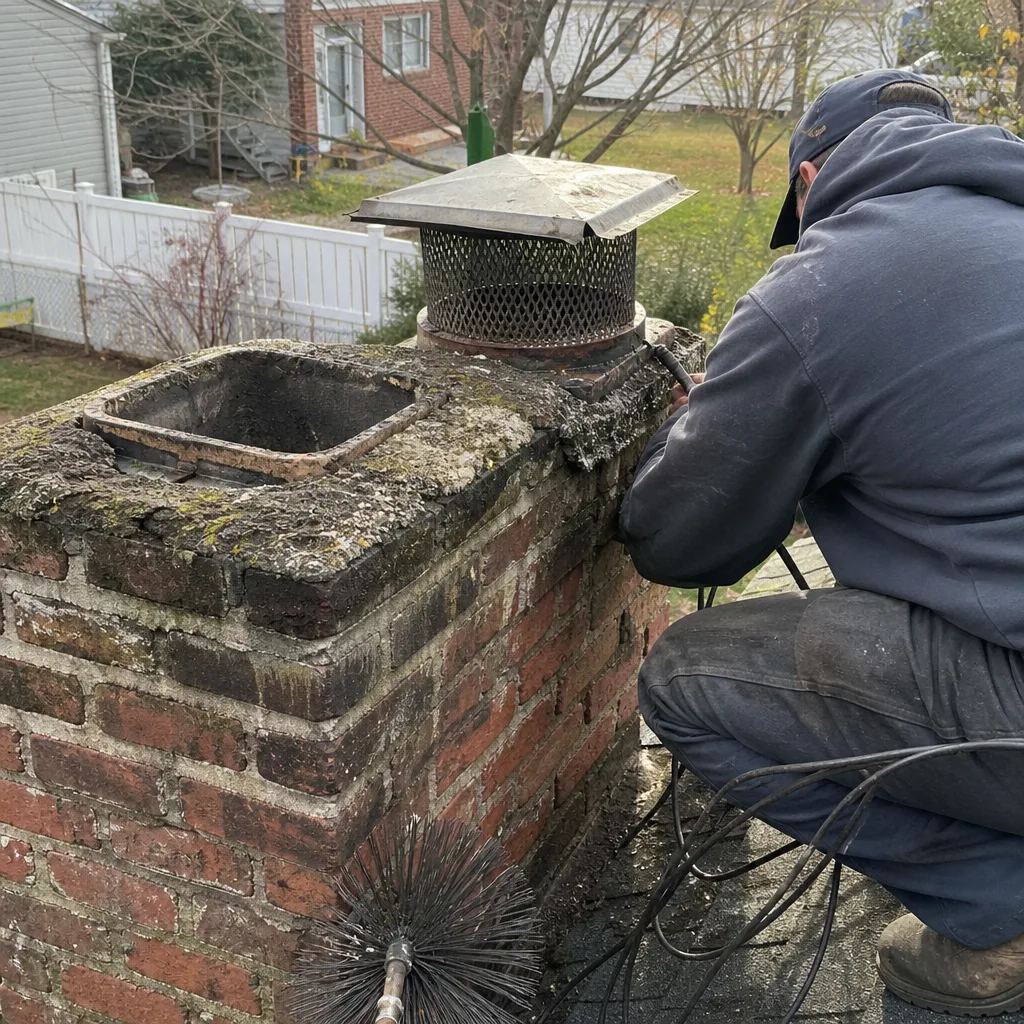 Before
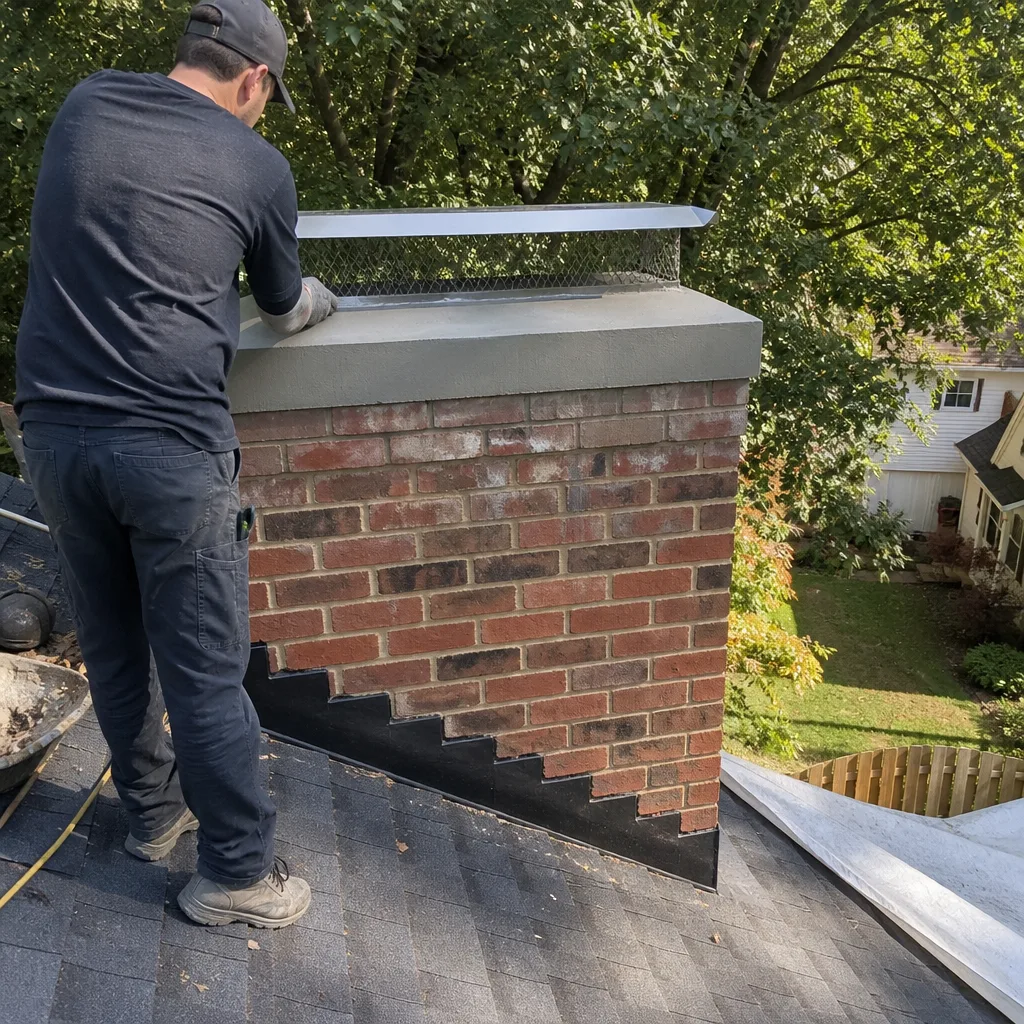 After
AfterChimney Cleaning & Sweep Maintenance Checklist for Rockville Homeowners
The most dangerous item on most chimney checklists is “looks clean from the fireplace opening.” That sight line reaches roughly 18 inches of a flue that may run 25 feet. What happens in the other 24-plus feet is where chimney fires start, where carbon monoxide finds a way back into the house, and where Rockville homeowners get unwelcome surprises in January. This guide draws a hard line between what you can observe with your eyes and what requires a camera in the flue, complementing our The Complete Guide to Chimney Cleaning in Rockville. We’ll give you the pre-season checklist, the after-use log, the ground-level photo inspection points, and the handoff paperwork any sweep in Rockville should leave with you before the truck leaves the driveway.
Quick Answer
A chimney maintenance checklist for Rockville homeowners has two halves: things you can see and things you cannot. You can see the firebox, the damper, the crown from the ground, and the cap with a phone camera on zoom. You cannot see creosote accumulation above the first bend, liner cracks, or smoke chamber damage without a camera-scan inspection. The minimum responsible schedule in Rockville is one professional sweep and inspection per burning season, plus a 15-second visual log after every fire, plus pre-season ground-level photos of the exterior chase.
Table of Contents
- What You Can See vs. What Requires a Camera
- The Pre-Season Homeowner Checklist: What to Check Before First Fire
- When Rockville Homeowners Should Schedule a Sweep
- The 15-Second After-Use Log: What to Write Down After Every Fire
- Crown, Cap, and Flashing: Ground-Level Photo Inspection Points
- The Handoff Checklist: What Written Items to Request From Any Sweep
- What Actually Happens If You Skip It: Creosote Stages and Liner Damage
- What Homeowners Should Never DIY (And Why)
BeforeAfterWhat You Can See vs. What Requires a Camera
Imagine standing in your living room, looking up through the open damper. You can see the firebox floor, the fireback brick, the damper plate, and maybe 18 inches of flue tile above it. In a typical Rockville two-story home, that flue runs 20 to 35 feet to the top of the chimney. That means roughly 94 percent of the surface area where creosote builds is invisible from the spot where you stand. Or sit. Or crouch with a flashlight.
This is not a criticism of homeowner diligence. It’s a geometry problem. And confusing these two zones is the single most common reason Rockville homeowners believe their chimney is fine until it isn’t.
Visible from the firebox opening (with a flashlight):
- Glazed black or brown residue on the firebrick walls of the firebox itself. This is cosmetic and expected. It tells you the chimney has been used, not whether the flue is clear.
- Rust stains on the damper or firebox floor. This often points to water entering from above, but you won’t know where without seeing the crown and cap.
- Fallen chips of flue tile resting on the smoke shelf. These are significant. If you see them, stop burning and call a sweep in Rockville this week.
- Damper function: does it open, close, and stay in position? A damper that won’t seal properly leaks conditioned air up the chimney year-round.
- Animal nesting material poking down toward the damper. Squirrels and birds find Rockville chimneys as attractive as homeowners do.
Not visible without a camera-scan inspection:
- Glazed creosote (Class III) higher in the flue. This is the stage where creosote becomes a fuel, not just a coating, and it’s exactly the kind that feeds a chimney fire.
- Hairline cracks in clay flue tiles caused by temperature cycling or a past chimney fire. These cracks allow heat and gas to reach combustible framing.
- Stainless steel liner seams that have separated or corroded. In Rockville’s freeze-thaw winters, even quality liners fatigue.
- Smoke chamber surface condition. This parged area above the damper often has gaps after decades of thermal stress, and is a common source of hidden drafts and smoke spillage.
- Debris bridges: a partial obstruction of soot or nesting material that hasn’t fallen to the smoke shelf yet.
The distinction matters because maintenance schedules built on visible inspection alone miss the most dangerous failure modes. When we perform Chimney Cleaning & Sweep services in Rockville, a camera down the flue is part of the standard visit, not an upgrade. It’s the difference between a guess and a documented record.
The Pre-Season Homeowner Checklist: What to Check Before First Fire
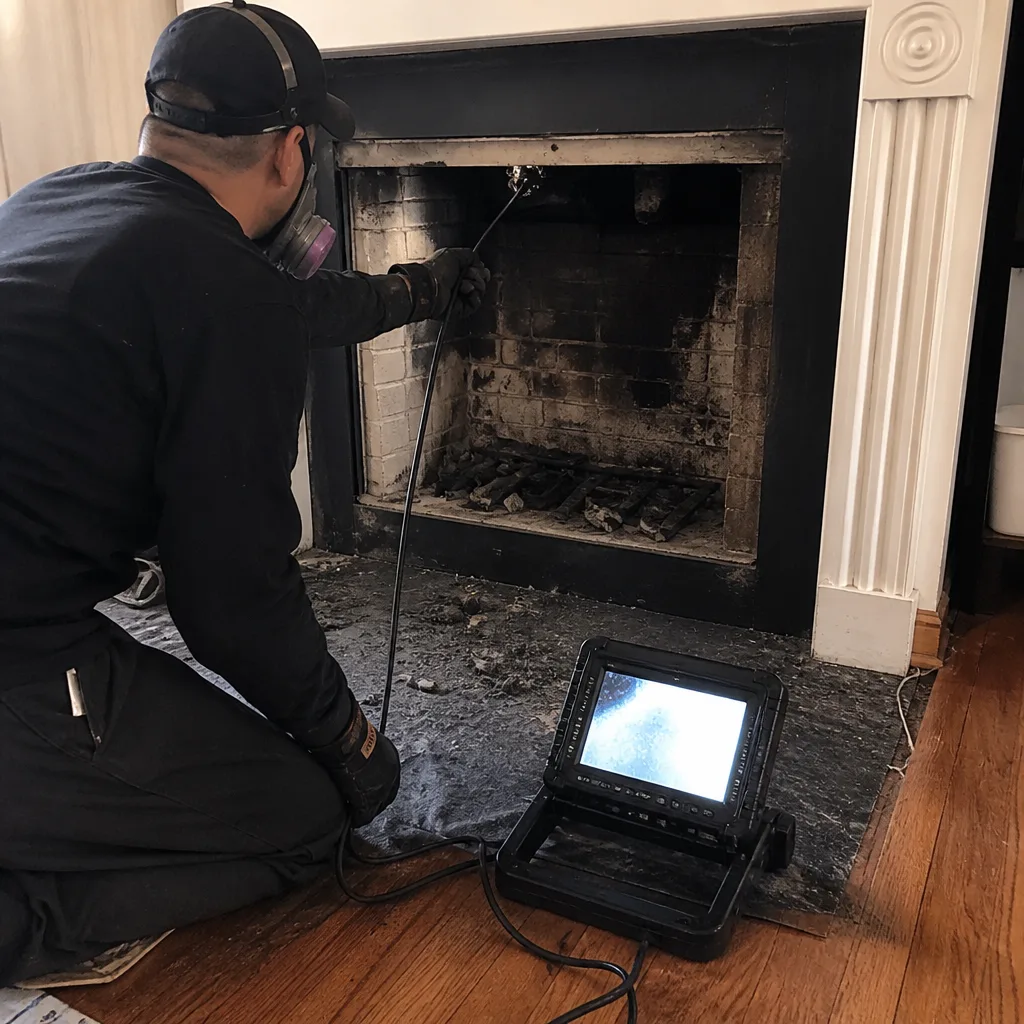
This is the checklist to run before the first burn. Most of it takes less than fifteen minutes. None of it replaces a professional inspection, but it catches the obvious issues that would waste a service call or worse.
- Look at the cap from the ground. Is it still there? Cap missing or tilted means water and animals have had access. Use a phone camera on zoom to get a better look without a ladder.
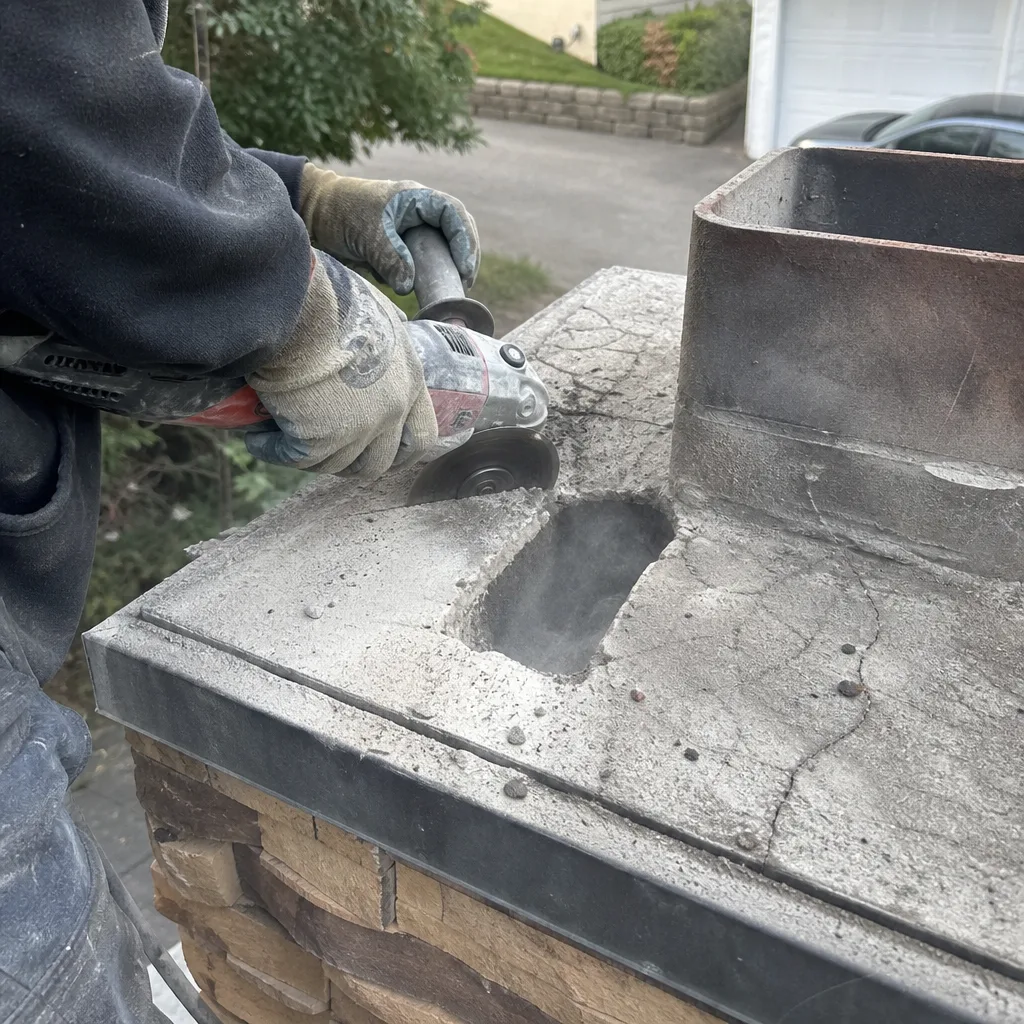
- Look at the crown (the cement top around the flue, under the cap). Visible cracks wider than a hairline are entryways for water. Spalling, which means flaking or crumbling cement, is a sign the crown should be evaluated. Freeze-thaw cycles in Rockville accelerate this fast.
- Check the flashing. The metal where the chimney meets the roof. You’re looking for lifted seams, missing pieces, or visible rust. Flashing problems are roof leaks, but they also rot the chimney chase from the top down.
- Open the damper and shine a flashlight up. Look for fallen tile chips, obvious animal sign, or a shimmering glazed coating that looks like hardened black glass. The glass-like shine is a creosote warning sign.
- Close the damper and check the firebox walls. Loose bricks, missing mortar joints, or white staining (efflorescence) suggest water in the masonry. White powdery residue is salt being drawn out of the brick by moisture.
- Check the smoke detector and CO alarm placement. Code in Rockville requires CO alarms near sleeping areas. A chimney in use without a functioning CO alarm is gambling, not maintenance.
- Note any smell. A strong creosote or campfire smell inside the house on a humid day in September, long after the last fire, is often the first sign of a draft or liner problem. Write it down and mention it when you call a sweep.
Run through this list and write down anything unusual. Not because you’ll diagnose it, but because when a technician arrives, you can hand them a list of observations instead of a vague feeling of “something seems off.” That is the kind of customer a good technician does their best work for.
When Rockville Homeowners Should Schedule a Sweep
Rockville has a burn season, even if nobody marks it on a calendar. It starts when the overnight lows settle into the forties, which in Montgomery County typically arrives in mid-to-late October. That means sweep demand in Rockville peaks in a six-week window from late September through mid-November. The most practical guidance we can give is: schedule before the first frost forecast drops, not after.
Here’s the reasoning. Chimney sweeps in Rockville don’t have more capacity in November. They have the same number of trucks. What changes is which calls they take. In October, a sweep is cleaning a chimney that’s been idle all summer and fixing problems before they become urgent. In January, that same sweep is running emergency calls for people whose first fire filled the living room with smoke because a bird built a nest in the flue in July.
Specific Rockville seasonal triggers to watch:
- First-frost forecast. When local weather starts mentioning frost advisories for Montgomery County, the waiting list has already started. Book before that forecast arrives.
- Leaf drop. The same weeks when gutters fill with leaves in North Bethesda and Potomac, animals are seeking winter shelter. Chimneys without caps get tenants.
- Burn ban news. Montgomery County occasionally issues air quality alerts that restrict burning. These don’t prevent a sweep from being scheduled; they’re a reason to have the chimney clean before restricted days arrive.
- Time since last sweep. If the answer is “I don’t know” or “the previous owner said it was fine,” the trigger is today. Not January. The previous owner in Rockville said a lot of things.
A practical frequency rule: if you burn more than two cords of wood per season, sweep annually. If you burn less, or use gas logs, every other year is often sufficient, but an inspection should still happen annually. The inspection is what catches the water intrusion and animal issues that don’t care about how much you burn.
We’ve completed more than 38,000 inspections and cleanings since 2009, and the pattern in Rockville is consistent: the homes with documented service records have the fewest emergency repairs. Not because they burn less, but because problems get seen at the Stage One level instead of the Stage Three level.
The 15-Second After-Use Log: What to Write Down After Every Fire
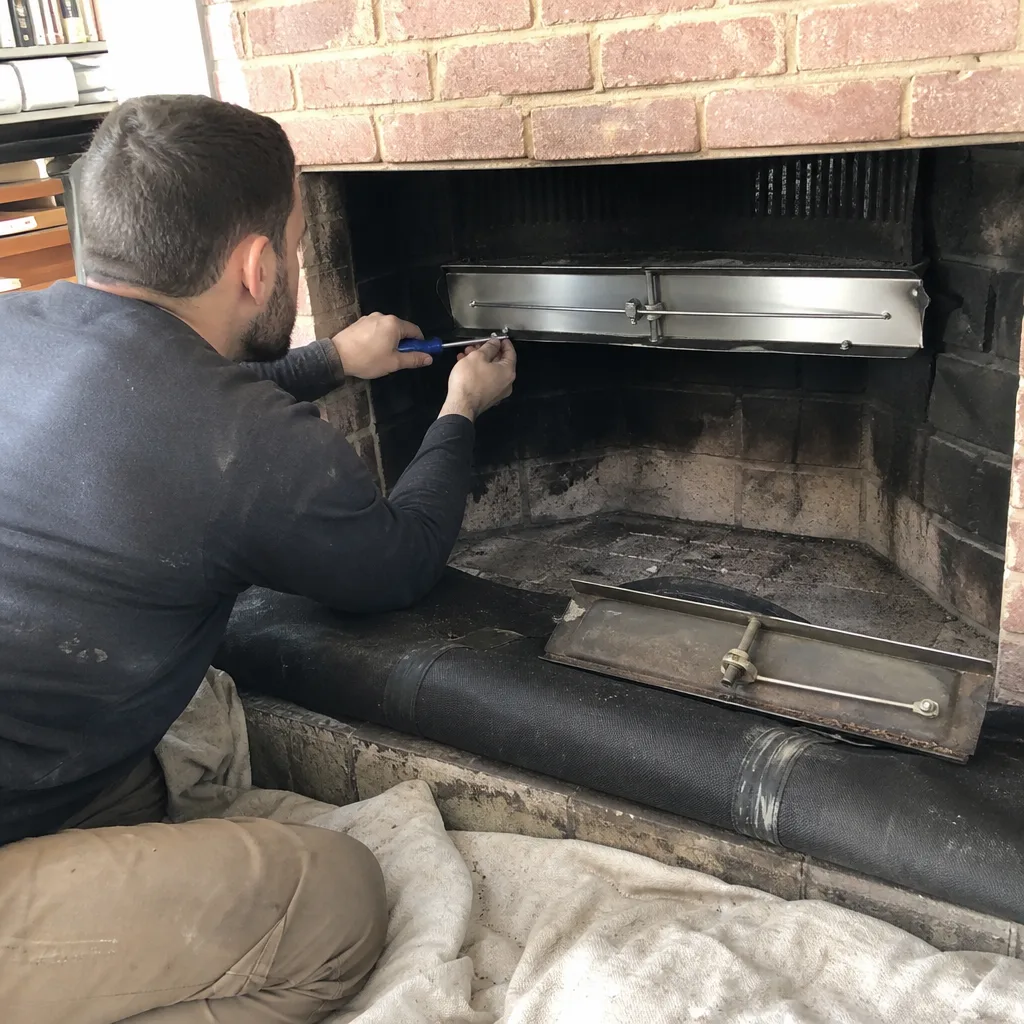
A maintenance checklist is a tool you use twice a year. The after-use log is a tool you use every time. It takes fifteen seconds and creates the exact pattern record a professional can read at your next sweep.
Here’s what we recommend writing down, in a small notebook kept near the fireplace or a notes app on your phone:
- Date. Yes, the obvious one. Fires cluster around holidays and cold snaps. The date tells us how many burns occurred since the last service.
- Wood type or source. “Seasoned oak from Woodmoor supplier” is useful. “Unknown free wood from Nextdoor” is also useful, in a different way. Wet or unseasoned wood creates creosote at multiples of the normal rate.
- Duration. Approximate. A two-hour evening fire and an all-day burn have very different deposit profiles.
- Smoke behavior. Did smoke enter the room even a little on startup? Did it spill when you opened the door to add wood? These are draft symptoms that come and go with weather. A log over a season shows a pattern.
- Unusual sound or smell. A popping sound that isn’t burning wood, a creosote smell on a warm day, a whistling draft. Write it down. Then mention it.
- Anything you observed on the exterior. If you notice a piece of crown cement on the patio after a storm, log it. That’s evidence.
Why this matters: a technician looking at buildup on a camera screen cannot tell whether that creosote accumulated over three burns or thirty. Your log tells them. That context changes the maintenance recommendation. It’s the difference between “this is normal for your usage” and “this is unusual, and we should look at air flow.”
The log also serves as documentation if you ever sell the home. A buyer in Rockville who sees a five-year burn log with service dates in it is looking at a house with a maintained chimney. That’s worth money at closing and costs you fifteen seconds a fire.
Crown, Cap, and Flashing: Ground-Level Photo Inspection Points
You can inspect the top of your chimney from the ground with a phone camera, and you should do it every spring and fall. Here’s what to photograph and what each image should tell you.
The cap. Stand back so the chimney is fully framed in the shot and zoom until the cap fills the frame. You’re looking for: a cap that’s tilted, a cap that’s missing entirely, a cap covered in nesting material, or a cap with rust streaks. Any of these is a call to schedule a sweep and inspection in Rockville. The cap is the single cheapest component you can replace that protects everything below it.
The crown. This is the cement surface between the top of the chimney chase and the base of the cap. Hairline cracks are normal weather checking and not urgent. Cracks wider than a coin, pieces missing, or a crown that looks like it’s flaking are structural issues. In Rockville’s climate, water gets into a crown crack, freezes, expands, and widens the crack. One winter cycle can turn a hairline into a fracture.
The flashing. Where the chimney meets the roof, you’re looking for metal that is lifting away from the chimney, rust staining down the siding, or missing step flashing. Flashing photos are best taken in morning light when the angle is low and shadows show the seams. If you have a second-story chimney and can only photograph from the ground, that’s fine, just note that the image is approximate. A professional can verify from the roof or with a drone.
The chimney chase. Look at the vertical run of the chimney itself. Are there cracks in the brick, white staining, or green moss growth? Moss holds water against the masonry and accelerates deterioration. White staining is efflorescence, which means water is moving through the masonry and carrying salts to the surface.
Take these photos on the first warm weekend of spring and again in early fall before burning season. Store them in an album. When you compare across seasons, you can see change. A crown crack that was the width of a dime in April and a quarter in October is moving. That’s information a technician can act on immediately.
The Handoff Checklist: What Written Items to Request From Any Sweep
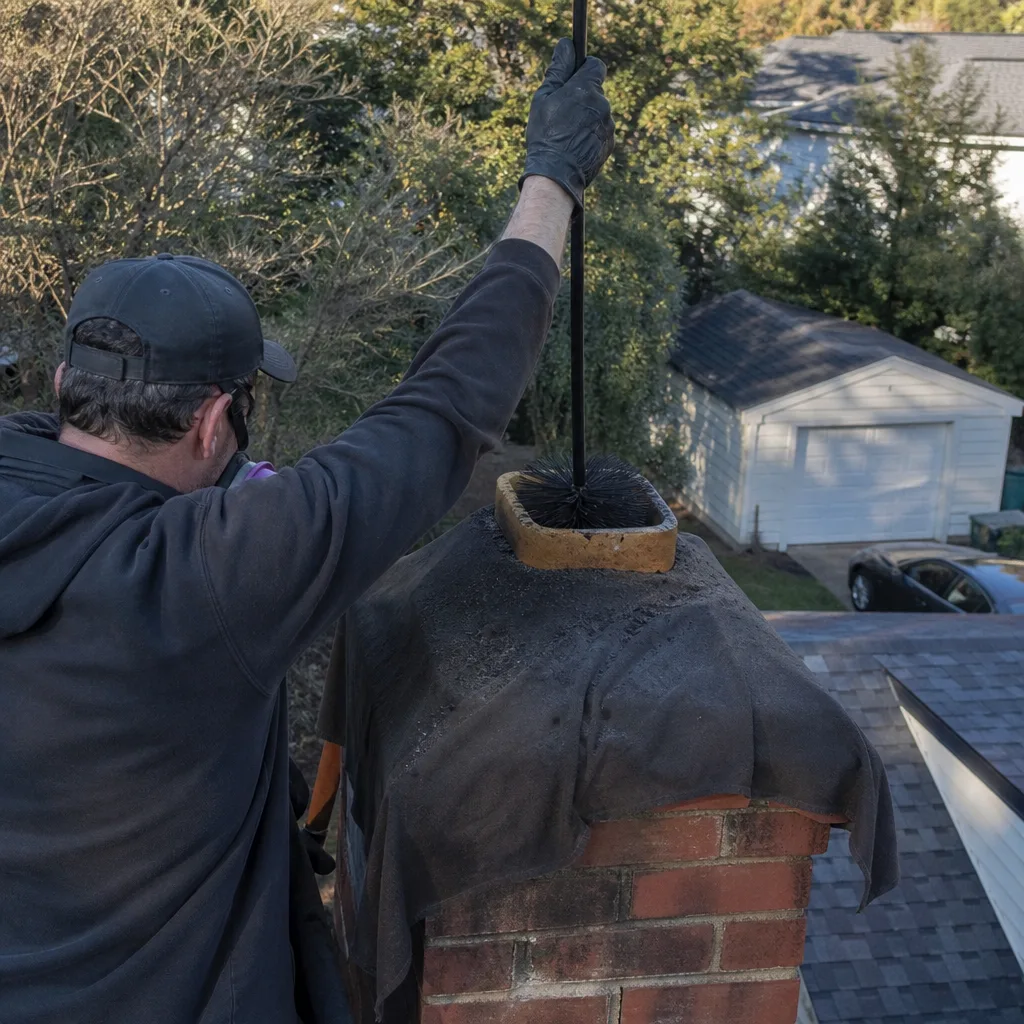
The difference between a chimney sweep and a chimney service is documentation. A sweep with no record is a person with brushes. A service with a written price, written scope, and photo evidence is a contractor accountable for their work.
Here is what any homeowner in Rockville should walk away from a sweep with:
- A written price before work starts. Not a verbal estimate. Written. If the price changes during the job because something is discovered, that’s legitimate, but the new price should also be written, with a reason, before the additional work begins.
- A written scope. What exactly was done: swept, inspected, repaired, replaced. A one-line receipt that says “chimney sweep” is not a scope.
- A photo record. This is non-negotiable from our perspective. Our name, Level Two, comes from the NFPA 211 Level 2 inspection standard, and a camera-scan photo record has been part of every visit since 2009. If a sweep in Rockville cannot show you photos of what they found inside your flue, they have not actually looked. They have brushed and hoped.
- A written warranty. If repair work was done, whatever the warranty is should be in writing with a term, a scope of what’s covered, and what’s excluded.
- A recommendation for next service. Written, based on what was found. If the answer is “you’re good, see you next year,” that should be stated and recorded. If the answer is “you’ll need a liner in 3-5 years,” that should be written with the reasoning.
This is not a list of demands designed to make a technician’s life hard. It’s a list of what we consider baseline professional behavior under the Haven Standard, which is the operating framework we’ve used since 2009. Clause 1 of the Haven Standard requires a written price, written scope, and written warranty before work begins. Clause 4 requires the photo record. If a company in Rockville bristles at producing these items, that tells you something about how they operate.
We also offer a Free Second Opinion on any written estimate. If another company in Rockville has quoted you work and you want to verify it, bring us the written estimate. We’ll tell you what’s necessary, what’s optional, and what’s outright unnecessary. No charge.
What Actually Happens If You Skip It: Creosote Stages and Liner Damage
Creosote is the byproduct of burning wood. It builds in stages, and each stage changes both the risk profile and the cost of remediation.
- Stage I: Soot. A fine black powder that brushes off easily. This is what a clean chimney has between sweeps. Low risk, low cost.
- Stage II: Porous creosote. Crumbly and flaky, like burnt toast. This builds when fires are somewhat cool or wood is partially seasoned. It brushes off but requires more elbow grease. Moderate risk, moderate cost.
- Stage III: Glazed creosote. Hard, shiny, glass-like coating fused to the flue walls. This is what feeds chimney fires. It cannot be brushed off in a standard sweep. It requires chemical treatment or mechanical removal. High risk, high cost.
Here in Rockville, the most common pattern we see is Stage I or II in households that use seasoned hardwood and have annual service, and Stage III forming quickly in households that burn unseasoned wood, burn with the damper mostly closed for long smoldering fires, or skip years between cleanings.
Beyond creosote, the other main “skip it” consequence is liner damage. A clay tile liner in a Rockville home from the 1970s or 1980s has been through forty or fifty winters of thermal cycling. Hairline cracks appear. Then water gets in. Then the cracks widen. Then heat and gas escape into the chimney chase instead of exiting through the flue. At that point, the repair is a stainless steel liner installation, using materials from manufacturers like DuraFlex or HeatShield. That’s a real repair with real cost, and it’s almost always less expensive than a chimney fire and the fire damage that follows it.
The maintenance checklist exists to prevent you from arriving at the Stage III or cracked-liner moment without knowing it’s coming. Cameras see what eyes cannot. That’s the entire thesis.
What Homeowners Should Never DIY (And Why)
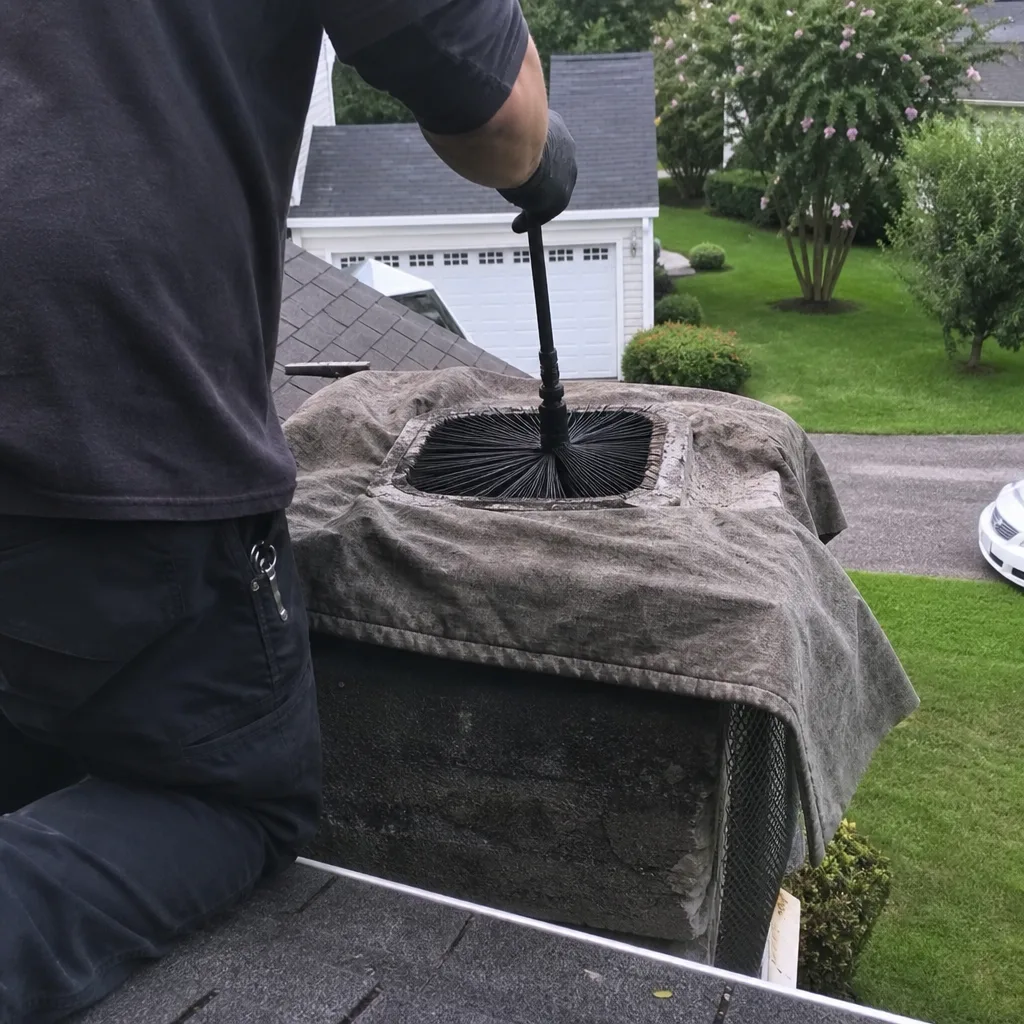
There is a line in chimney maintenance where DIY stops being admirable and starts being dangerous. Here is the line, stated plainly.
Do not attempt to remove glazed creosote yourself. The chemical products sold for this work are caustic. The mechanical methods involve tools you don’t own. The working conditions at the top of a ladder are the same conditions that send homeowners to urgent care every fall.
Do not attempt liner repair or replacement as a homeowner. A liner is a safety device. It contains heat and combustion gases. A liner installed by someone who doesn’t understand clearances and thermal expansion is worse than no liner at all, because it gives false confidence.
Do not attempt crown repair or rebuilding without understanding masonry expansion and water management. A crown isn’t a slab of concrete. It’s a designed surface with specific slope, thickness, and expansion characteristics. Most DIY crowns fail within two years and cost more to remove and redo than the original professional job would have cost.
Do not attempt flue inspection with a rented camera from the home center. The issue is not the camera. The issue is knowing what the camera is showing you. A technician reading a camera screen is looking for patterns that are not visible to someone without training, and more importantly, knows what the image does not show. A homeowner sees a flue with some soot. A trained eye sees a flue with soot, a hairline crack behind a shadow, and a smoke chamber gap at the edge of frame.
What you should DIY: the visual checks in this guide, the after-use log, the ground-level photos, and the phone call to a professional when something looks wrong. That division of labor protects both your chimney and your spine.
Common Mistakes to Avoid
- Using the fireplace as a garbage incinerator. Wrapping paper, cardboard, and junk mail burn hot and float flaming particles up the flue. They also create creosote at a rate that surprises even experienced burners in Rockville. Burn wood.
- Burning unseasoned wood. Wet wood smolders, and smoldering fires are creosote factories. Seasoned wood means cut, split, and stacked for at least six to twelve months. If your wood hisses when it burns, it’s wet.
- Closing the damper too far to “hold the fire.” This drops combustion temperature, which creates more creosote, not less. It also increases carbon monoxide risk. A hot, bright fire with full air is cleaner and safer.
- Skipping the inspection when using gas logs. Gas logs don’t produce creosote, but the chimney still gets water, animals, and debris. Gas flues still need caps and crowns. The inspection matters even when there’s no wood fire.
- Treating “the previous owner said” as maintenance history. Previous owners in Rockville also said the basement never flooded and the roof was five years old. Unless there is paper, there is no history.
- Waiting until smoke fills the living room to call a sweep. By the time smoke is spilling into the house, the problem has been developing for a season or more. The camera-scan would have caught it at the cheap stage.
- Choosing a sweep based on the lowest price. The cheapest sweep in Rockville is often the one who doesn’t own a camera, doesn’t carry insurance, or doesn’t want to write anything down. Price matters, but documentation matters more. Ask what you walk away with.
When to Call a Professional
Call immediately if you see fallen flue tile in the firebox, if smoke spills into the room during normal operation, if you smell creosote or campfire odor on warm days, if the cap or crown is visibly missing or crumbling, or if you see water staining on the ceiling around the chimney chase. These are not “schedule when convenient” items; they are “stop burning and get it assessed” items. If you see glazed black buildup at the damper level, that’s one of the Chimney Cleaning Warning Signs: A Rockville Homeowner’s Reference Guide that the flue above it is worse. If you hear animals in the chimney, which happens regularly in Rockville’s established neighborhoods, call sooner rather than later because nesting material is both a fire hazard and a health hazard. Level Two Chimney Rockville offers free estimates in Rockville - call (571) 376-7052.
Frequently Asked Questions
Annual cleaning is the right rule for any Rockville homeowner who burns wood regularly, which means more than two cords per season or fires more than twice a week during winter. If you burn less, every other year is often sufficient, but an annual inspection is still warranted. The inspection catches water and animal problems that a cleaning doesn’t address. Call (571) 376-7052 to schedule based on your actual usage.
In Rockville, a standard chimney sweep and camera-scan inspection typically runs between $189 and $349, depending on flue height, creosote stage, and access. Stage III glazed creosote removal is more because it requires chemical or mechanical treatment beyond standard brushing. Every job we quote gets a written price before work starts, a written scope, and a written warranty. Call (571) 376-7052 for an exact quote on your chimney.
You need a new liner if the camera-scan shows cracks, gaps, or deterioration that allows heat and gas to escape the flue into the chimney chase. You do not need a new liner if the current one is intact and appropriately sized, even if it’s old. A clay liner from 1975 that’s in good condition is fine. A clay liner from 1975 with six visible cracks is not. The camera evidence determines this. If another company has quoted you a liner without camera evidence, get a second opinion before spending thousands.
A Level 2 inspection is the NFPA 211 standard for inspecting the internal flue surfaces with a camera, not just a flashlight. It covers the firebox, damper, smoke chamber, flue, cap, and crown, and it produces a photographic record of what was found. It is the standard we named our company for, and we have performed camera-scan documentation on every visit since 2009, before it became common practice; see more guides & resources for related maintenance advice.
You can skip the cleaning, but not the inspection. Water, animals, and structural deterioration don’t care how often you light a fire. A homeowner in Rockville who burns twice a year but has an uncapped chimney will have animal nesting and water damage faster than a heavy burner with a good cap and crown. The inspection frequency is annual. The cleaning frequency follows usage.
Run the pre-season checklist in this guide: check the cap, crown, and flashing from the ground with your phone camera; open the damper and look for debris, fallen tile, or glazed residue; note any unusual smells; and check that CO alarms are working. Then schedule a professional inspection before burning. A chimney that has sat unused since spring is a chimney that animals, water, and time have had access to. Call (571) 376-7052 and we’ll get the camera in there before you light the first fire.
The Bottom Line
A chimney maintenance checklist for Rockville homeowners only works when it draws the line between visible and hidden. Your eyes can see the firebox, the damper, the cap, the crown, and the flashing. Your eyes cannot see the flue above the first bend, and that’s where the problems that matter actually live. Run the visual checks twice a year, keep the after-use log, photograph the exterior from the ground, and demand documentation from whoever cleans your chimney. Written price, written scope, written warranty, and camera evidence. Those four items separate a maintenance program from a hope. Level Two Chimney Rockville home has operated this way since 2009, and it’s the standard we recommend for every chimney in Rockville. For service, read more about our Chimney Cleaning & Sweep in Rockville, Chimney Repair in Rockville, or Fireplace Services in Rockville. Call (571) 376-7052 for a written estimate on any chimney work in Rockville.
Written by Corrine Halstead, Owner at Level Two Chimney Rockville, serving Rockville since 2009.