
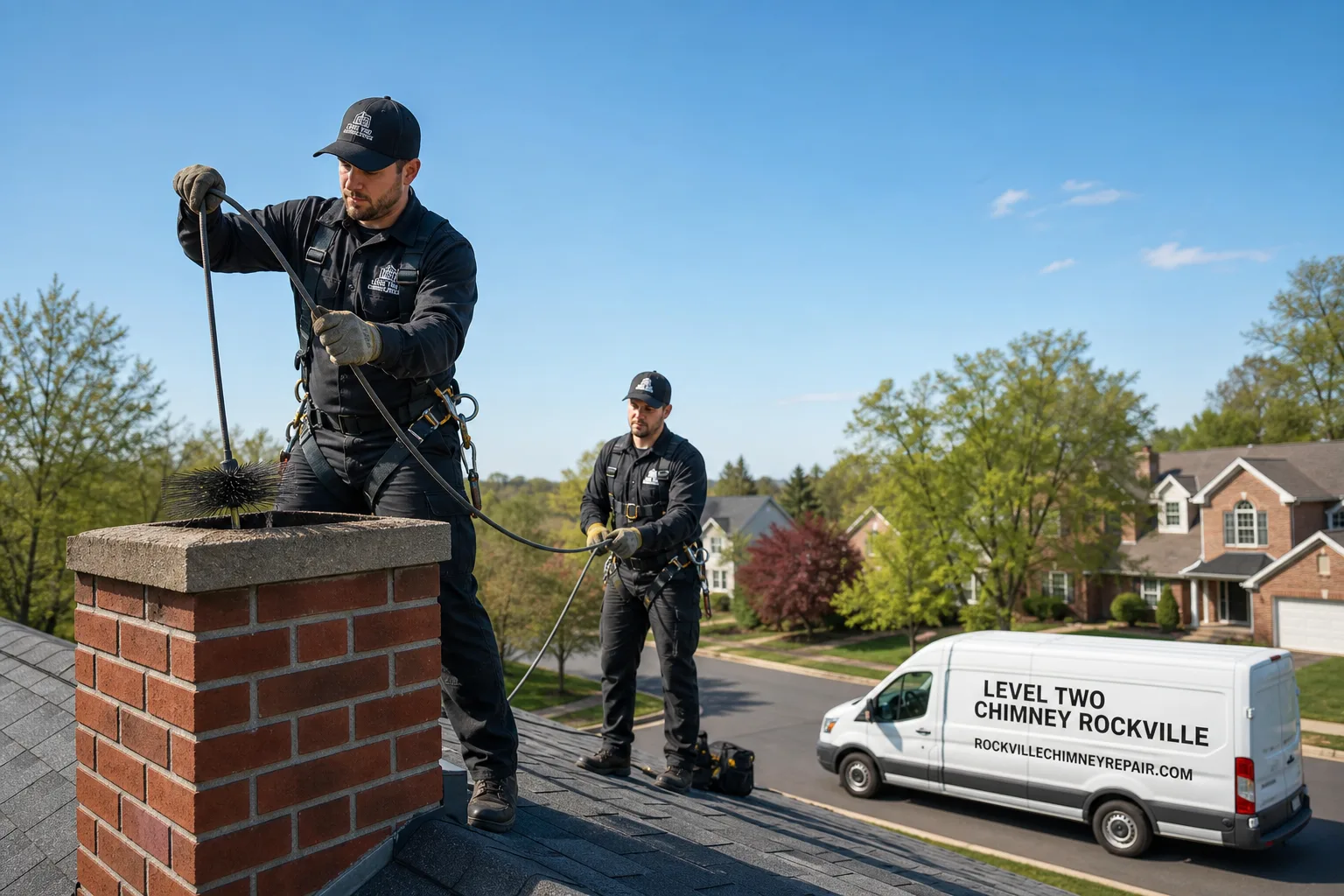
Level 1 sweep and inspection to the NFPA 211 annual standard - flue, crown, cap, and flashing checked and photographed
Chimney sweep logs do not sweep chimneys. They loosen some creosote - which then falls where a brush and vacuum still have to collect it.
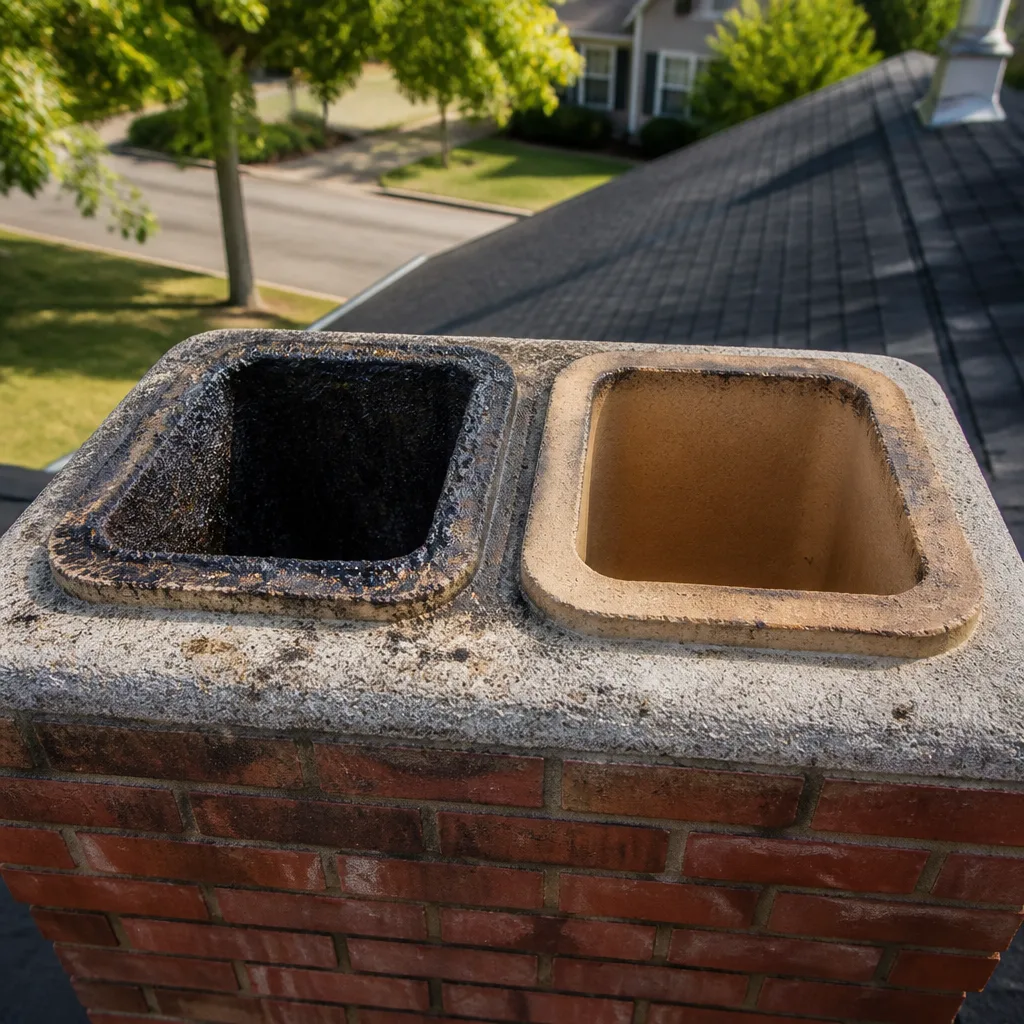
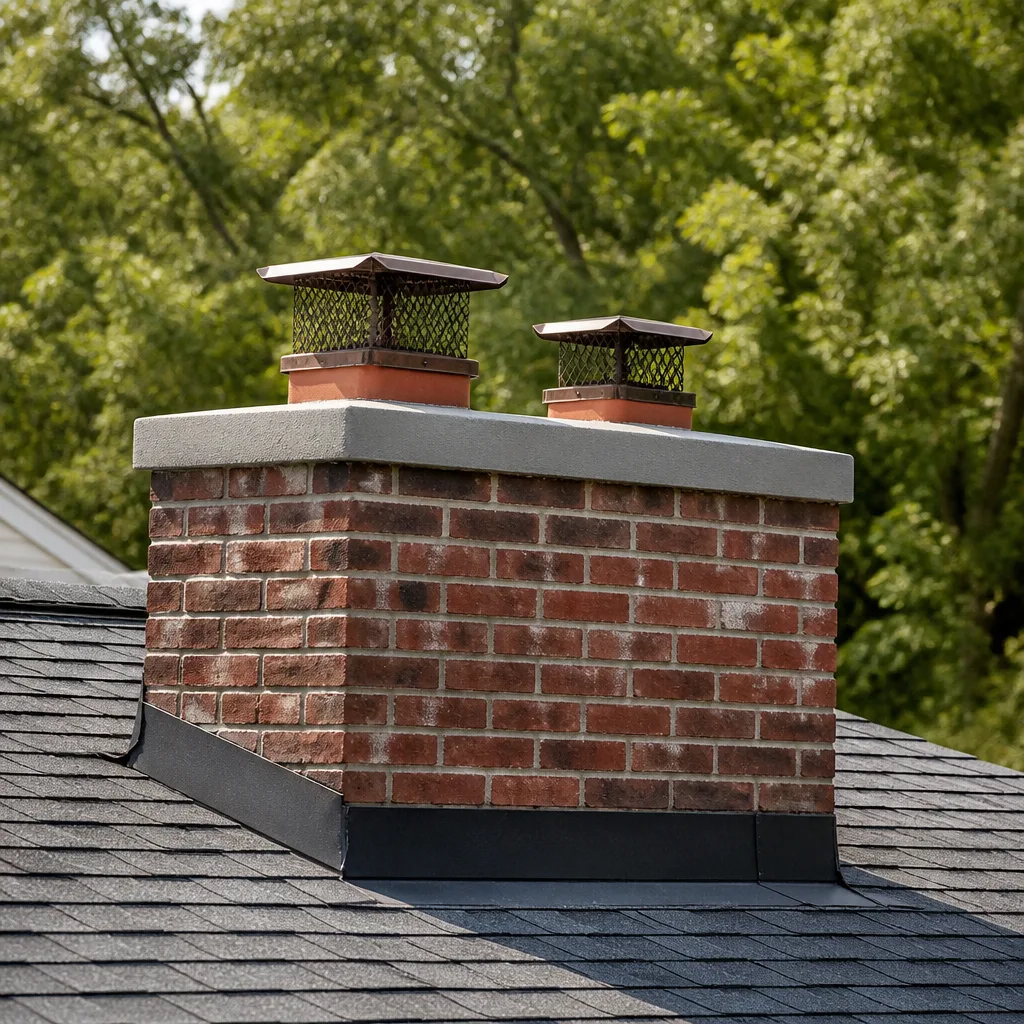
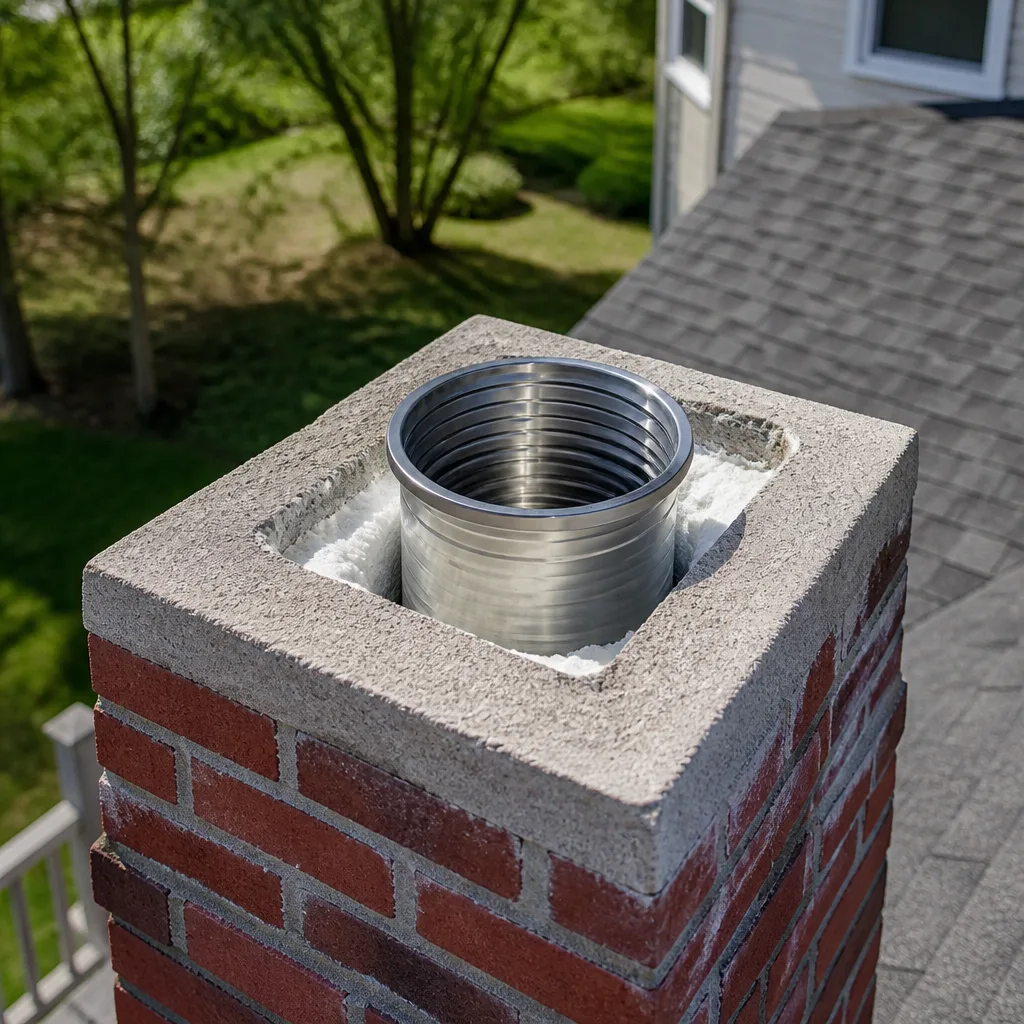
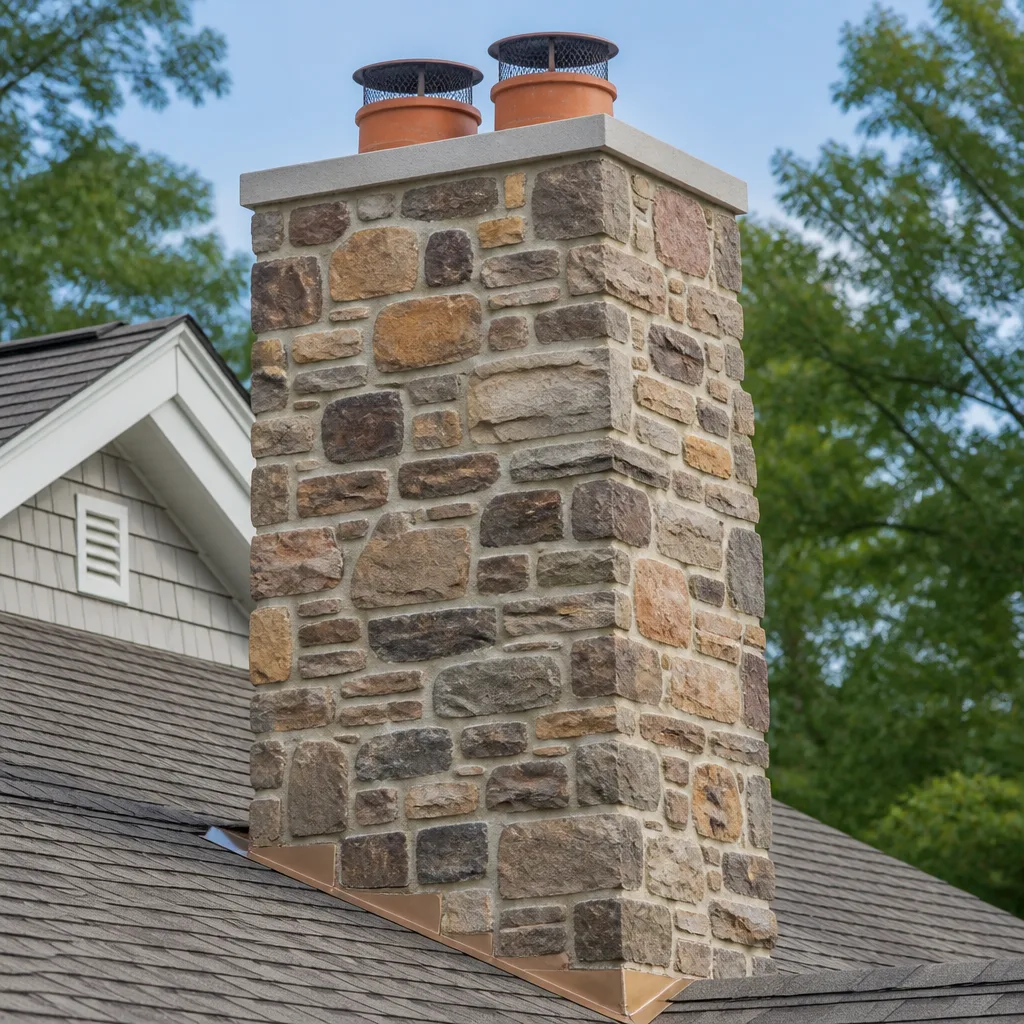
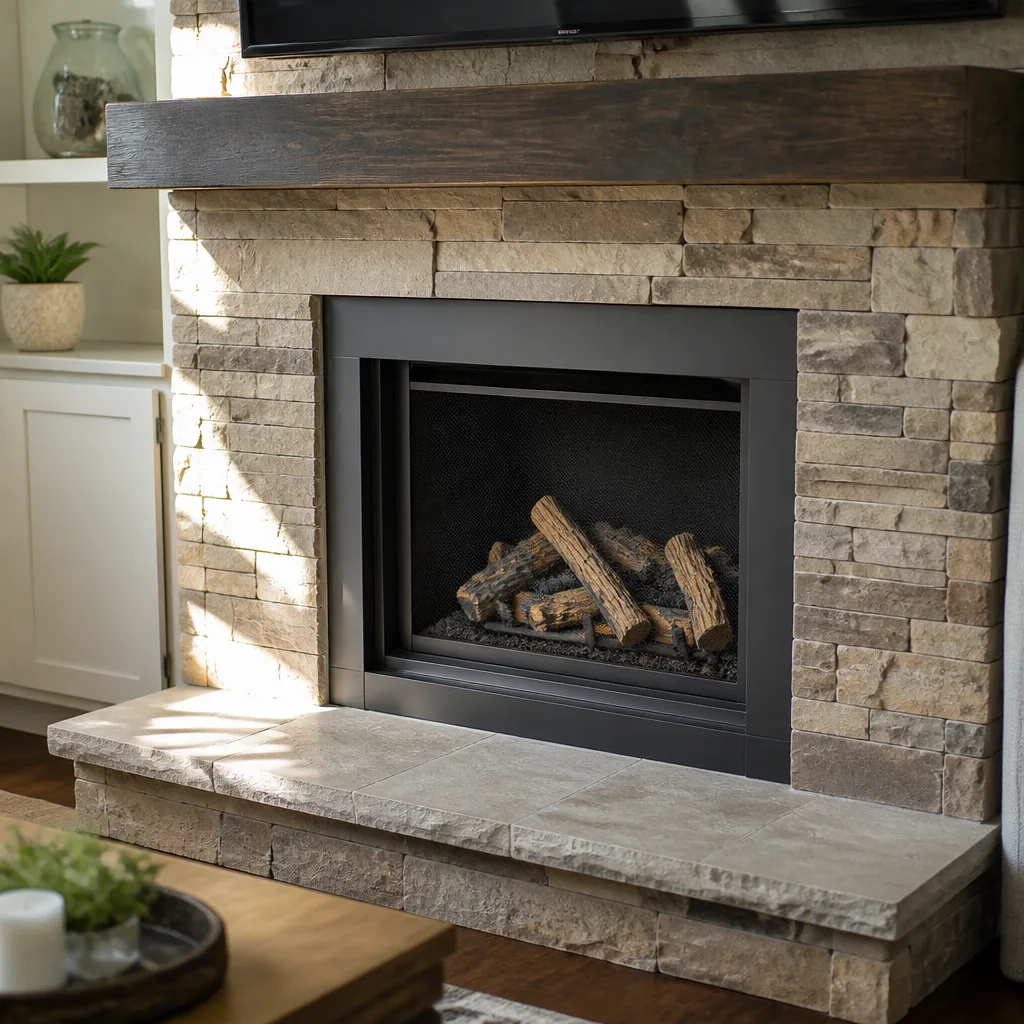
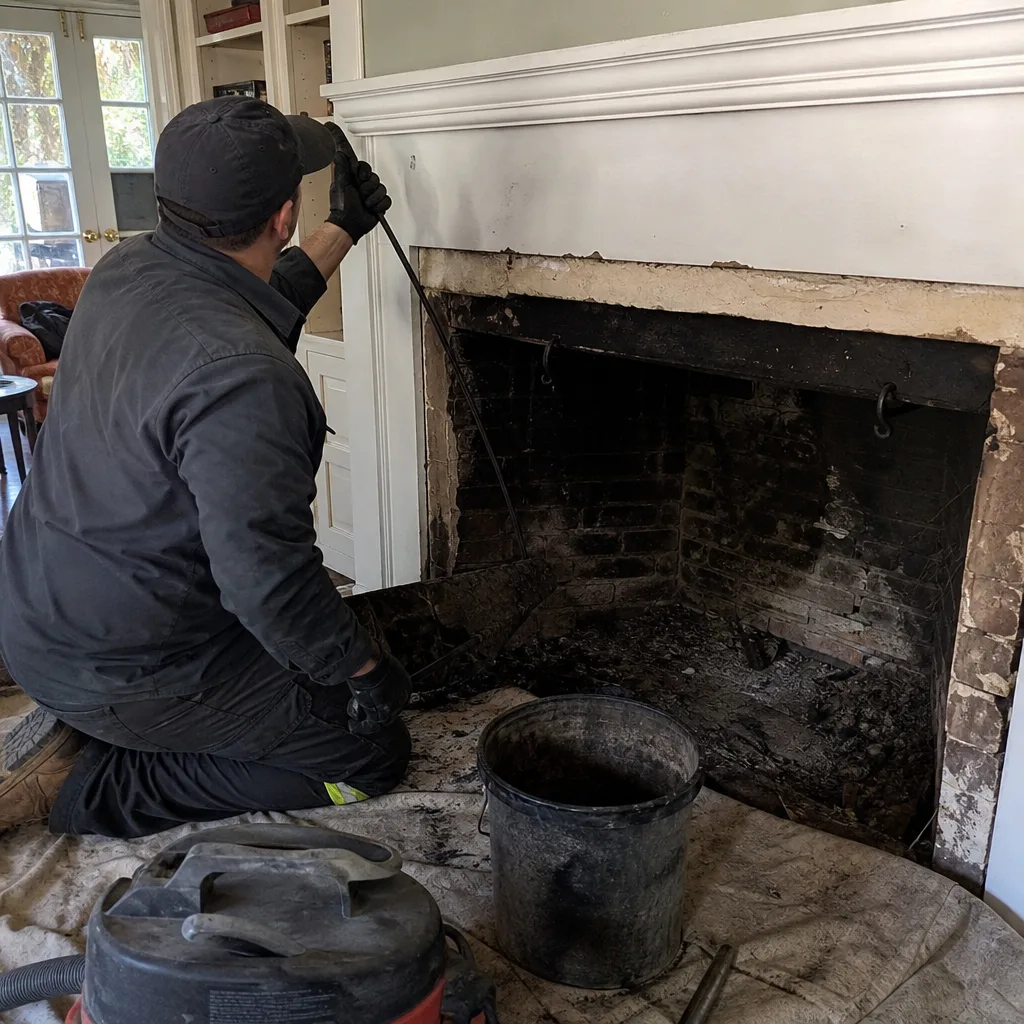 Before
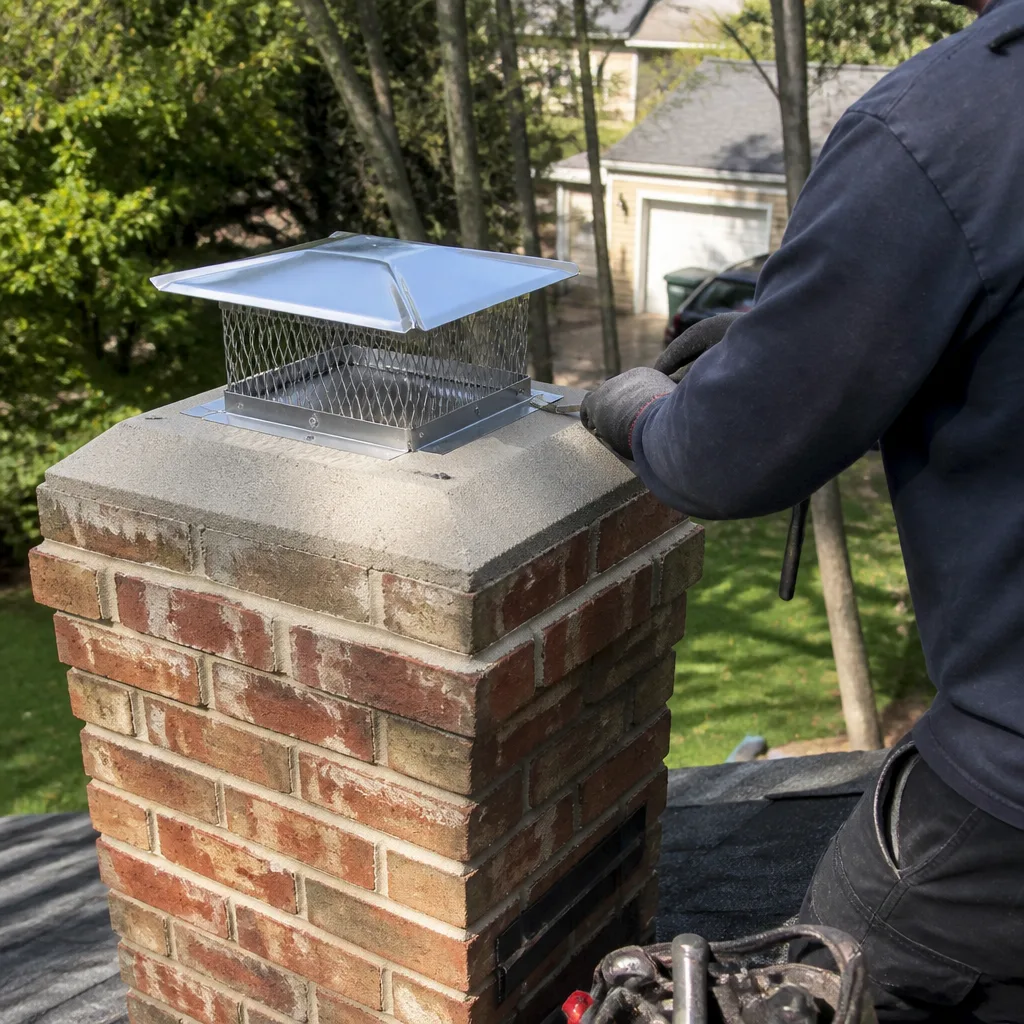 After
After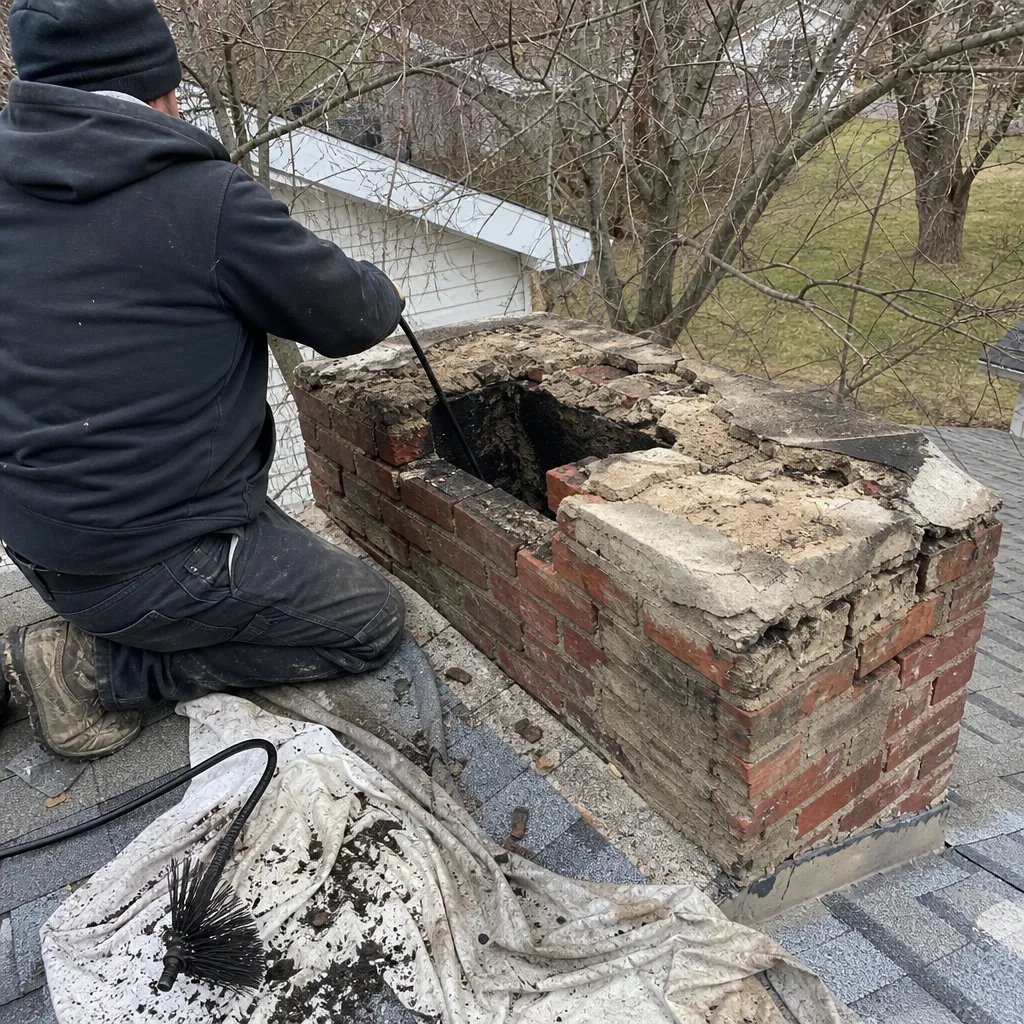 Before
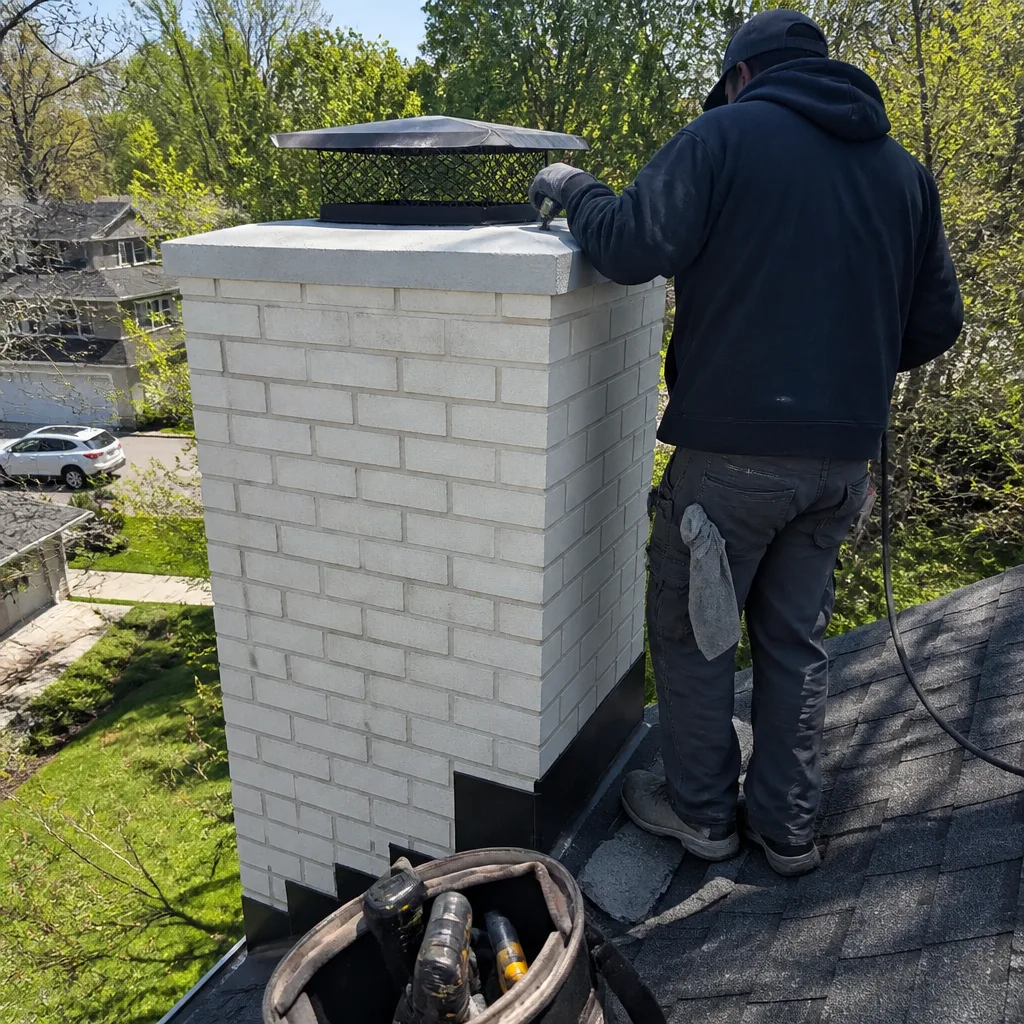 After
After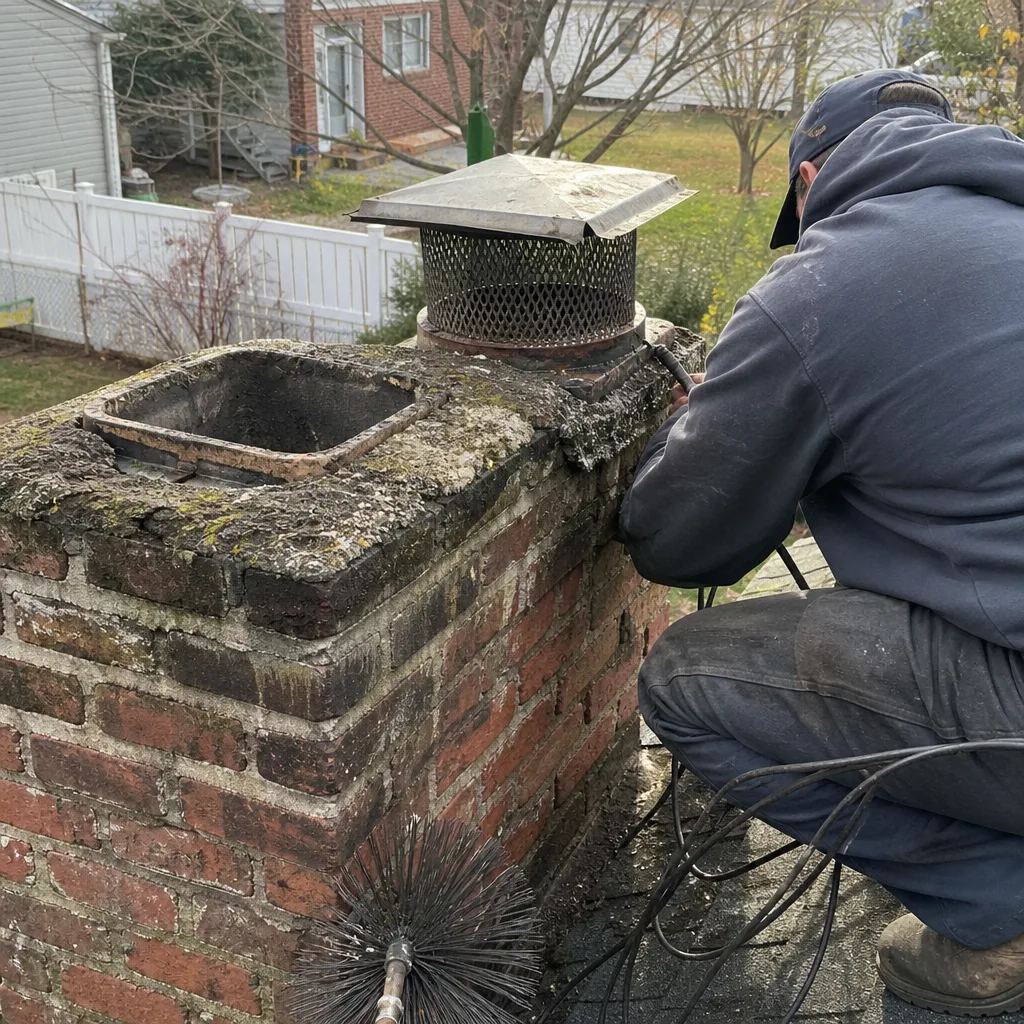 Before
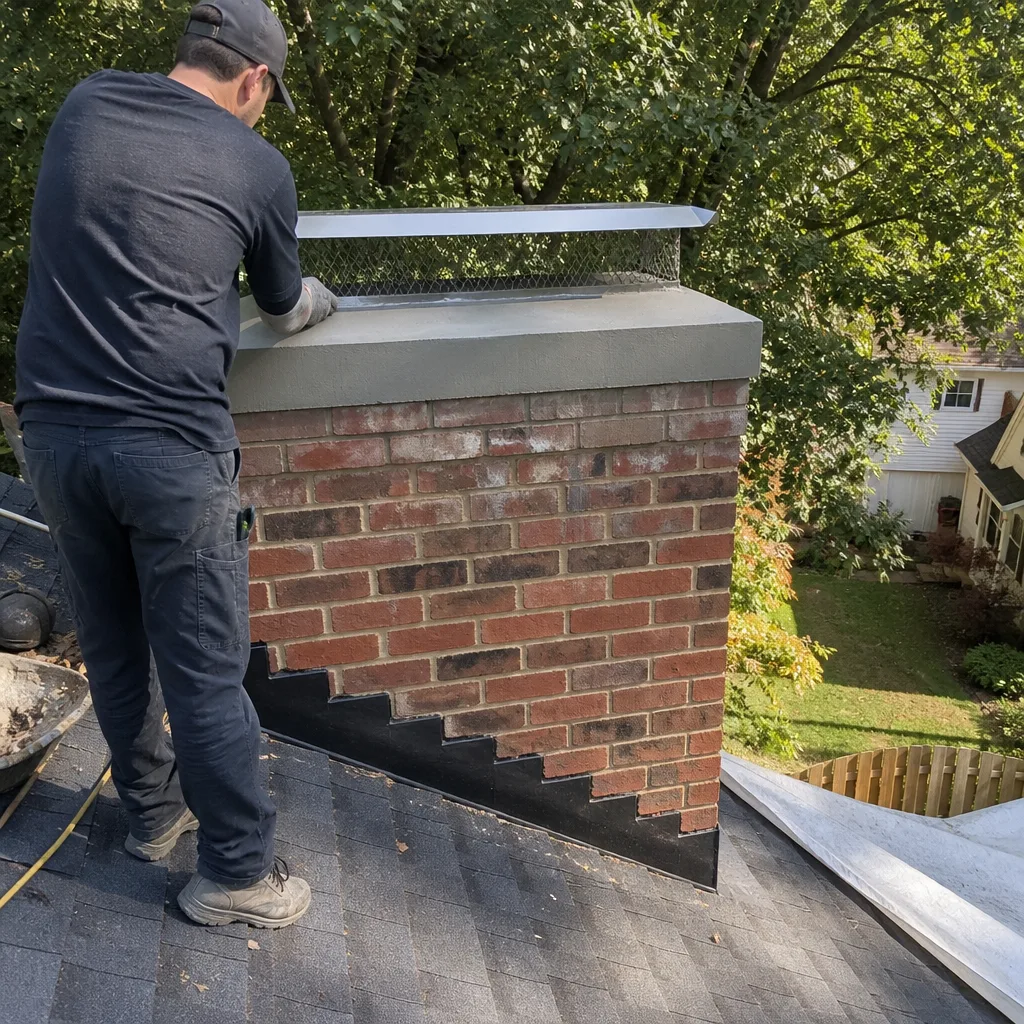 After
AfterFast, Reliable Chimney Cleaning & Sweep Across Washington
A chimney cleaning and sweep in Washington, DC typically costs $189 to $310 for a standard single-flue cleaning with a Level 1 inspection included, and most jobs are completed in 60 to 90 minutes. If you’re in Capitol Hill, Georgetown, Shaw, or anywhere else in the District, we dispatch local crews from our Washington office and answer the phone around the clock. Call (571) 376-7052 for a written price before anyone steps foot in your home.
Washington’s row houses were mostly built between 1880 and 1920. Their chimneys are not like suburban fireplaces. Many still have original unlined flues, or clay tiles cracked by decades of Potomac humidity and freeze-thaw cycles. That changes what a cleaning needs to include, and it’s exactly why we work the way we do: camera down the flue, photos in your hands, and a written price before work starts.
Why Level Two Chimney Rockville Is Washington’s Preferred Chimney Cleaning & Sweep Company
We operate under the Haven Standard, and we’ve completed more than 38,000 chimney inspections and cleanings since 2009. Every single one included a written price before work began and a documented photo record when it was done. Clause 4 of the Haven Standard requires that photo archive on every visit. Not as an add-on. Not as an upsell. It’s the default.
Washington homeowners tend to research before they call. They want to see evidence, not hear reassurance. Our techs are background-checked and uniformed, with a named technician assigned to your job and a text when they’re on the way. When you call (571) 376-7052, a live person answers. Not a voicemail. Not a web form. That matters at 7:00 a.m. when you smell smoke in the house and need to know if it’s an emergency or a draft issue.
Corrine Halstead leads our Washington operations. Under her direction, our crews have worked flues in row houses from Petworth to Columbia Heights, and we know which blocks have the old 8×8 coal-era stacks, which ones have been relined, and which ones are still running original clay tile. That local knowledge changes what we look for before the brush ever goes down.
Our Chimney Cleaning & Sweep Services in Washington
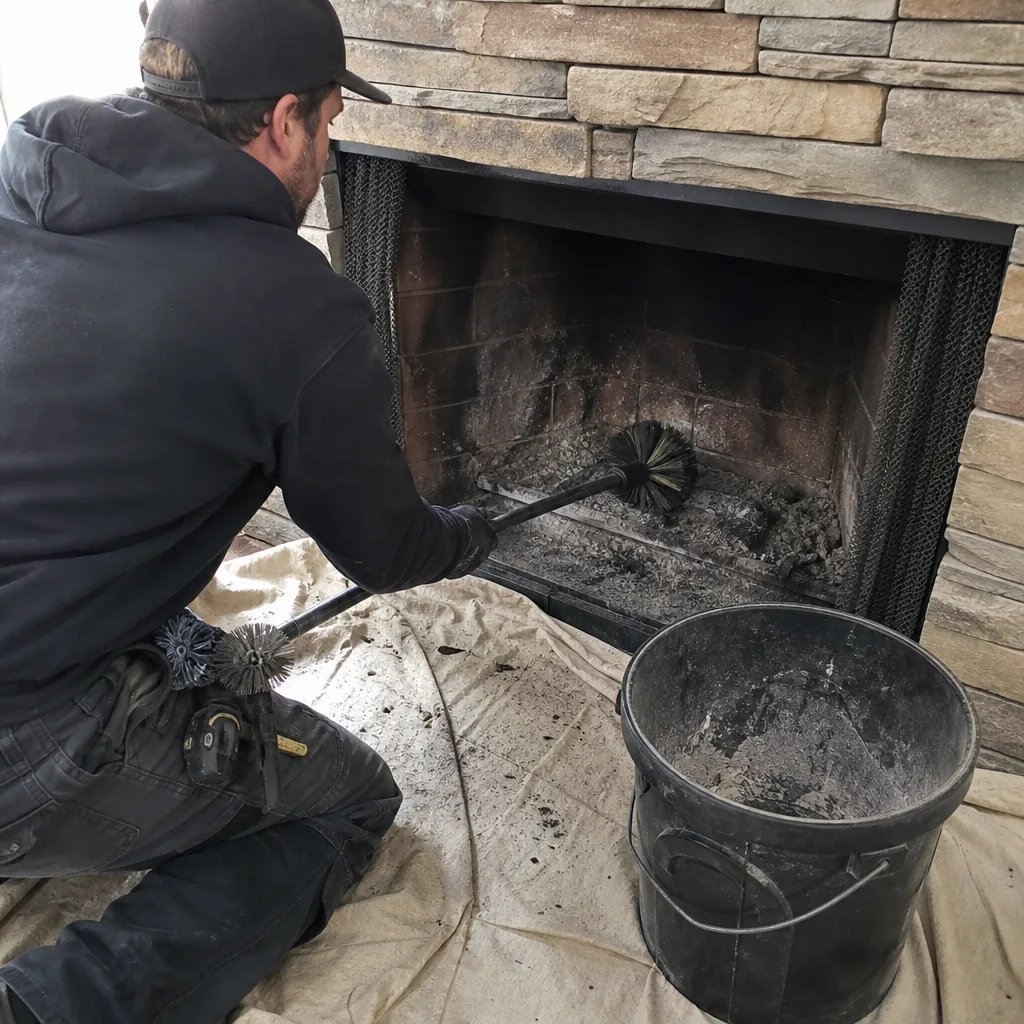
Level 1 Inspection
A Level 1 inspection is the standard check when your chimney’s condition and usage haven’t changed since the last sweep. In Washington, that means verifying the flue is clear, the damper operates, and there’s no visible creosote buildup or obstruction. We include this with every standard cleaning in the District.
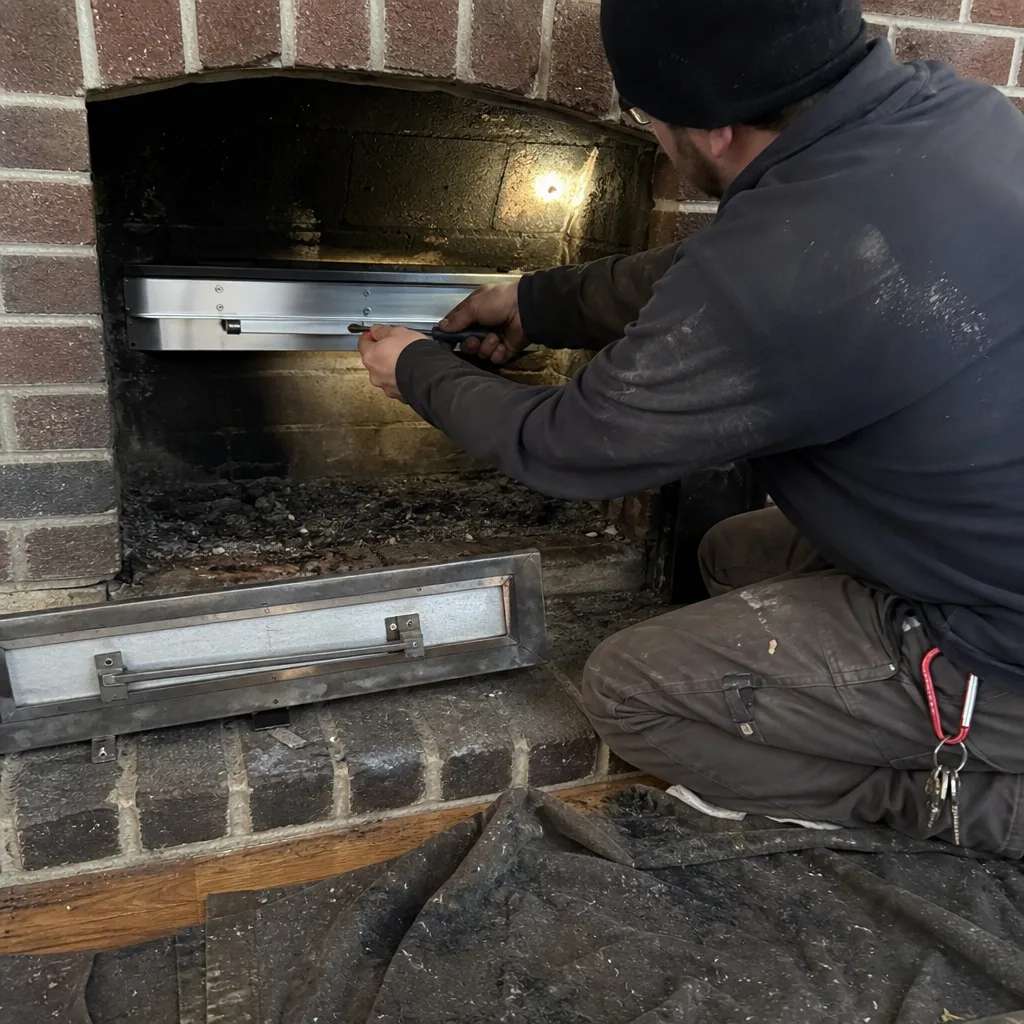
Level 2 Inspection
A Level 2 inspection is what we recommend for any Washington row house that’s changed hands, changed fuel type, or had an insert installed in a firebox that was built for coal. We run a camera down the entire flue and photograph everything: the smoke chamber, the clay tiles, the mortar joints. If a previous owner fitted a wood-burning insert into an original 8×8 flue, we’ll document the undersized opening and explain exactly what it means for draft and creosote buildup. In historic districts, this is the step that catches problems before they become HPO violations.
Creosote Removal
Creosote comes in degrees. First-degree is flaky and comes off with a standard brush. Third-degree is a hard tar glaze that a brush alone cannot remove. In Washington’s older chimneys, especially unlined stacks serving wood inserts, third-degree creosote is common. We treat it with mechanical or chemical removal methods appropriate to the flue’s condition, not a brush-only pass that leaves the hazard in place. Our crews see this regularly in Capitol Hill and Georgetown, where coal-era fireboxes push wood smoke through flues that were never sized for it.
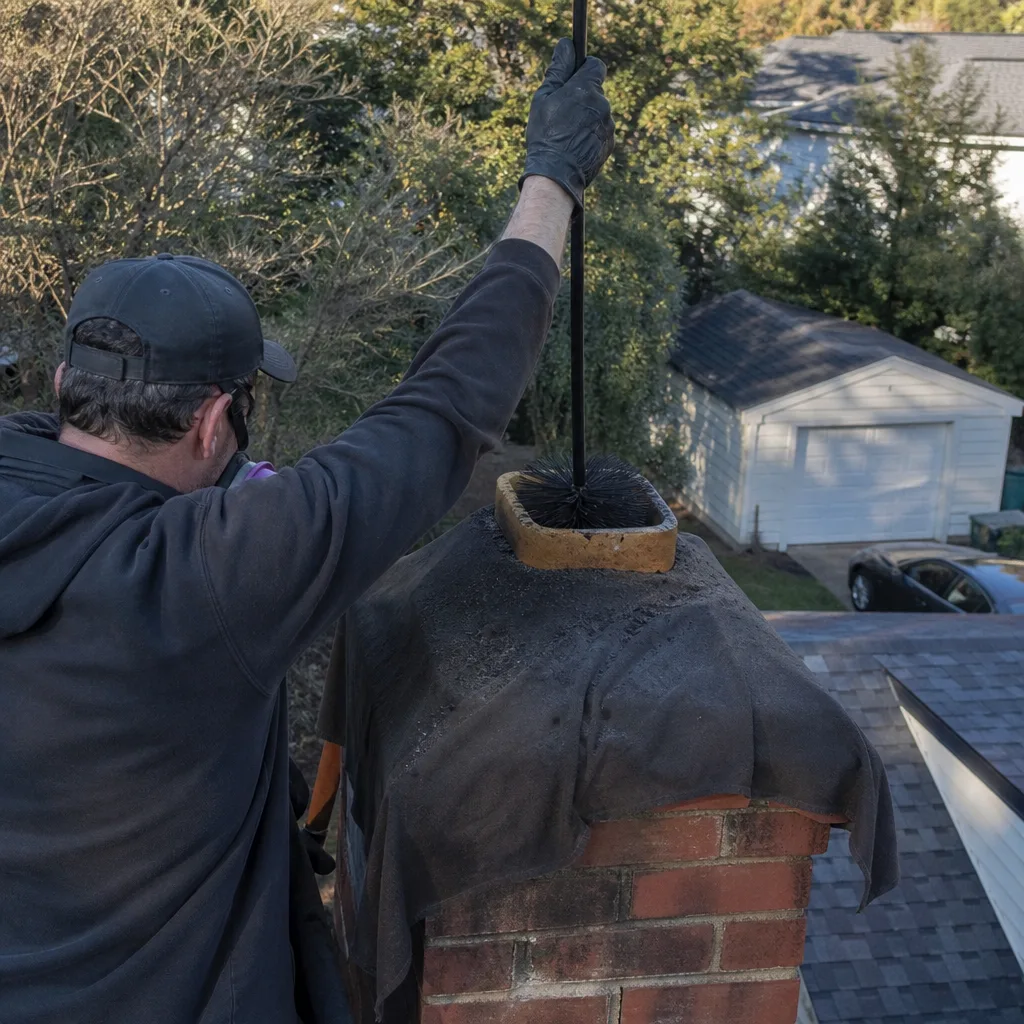
Soot Removal
Soot removal is different from creosote removal. Soot accumulates from incomplete combustion, often in oil-fired systems or fireplaces that burn wet or unseasoned wood. Washington’s humid summers mean firewood stored in a row house rear yard rarely seasons as well as homeowners think. We remove soot deposits, check the flue for restricted airflow, and document the before and after with photos so you can see the difference.
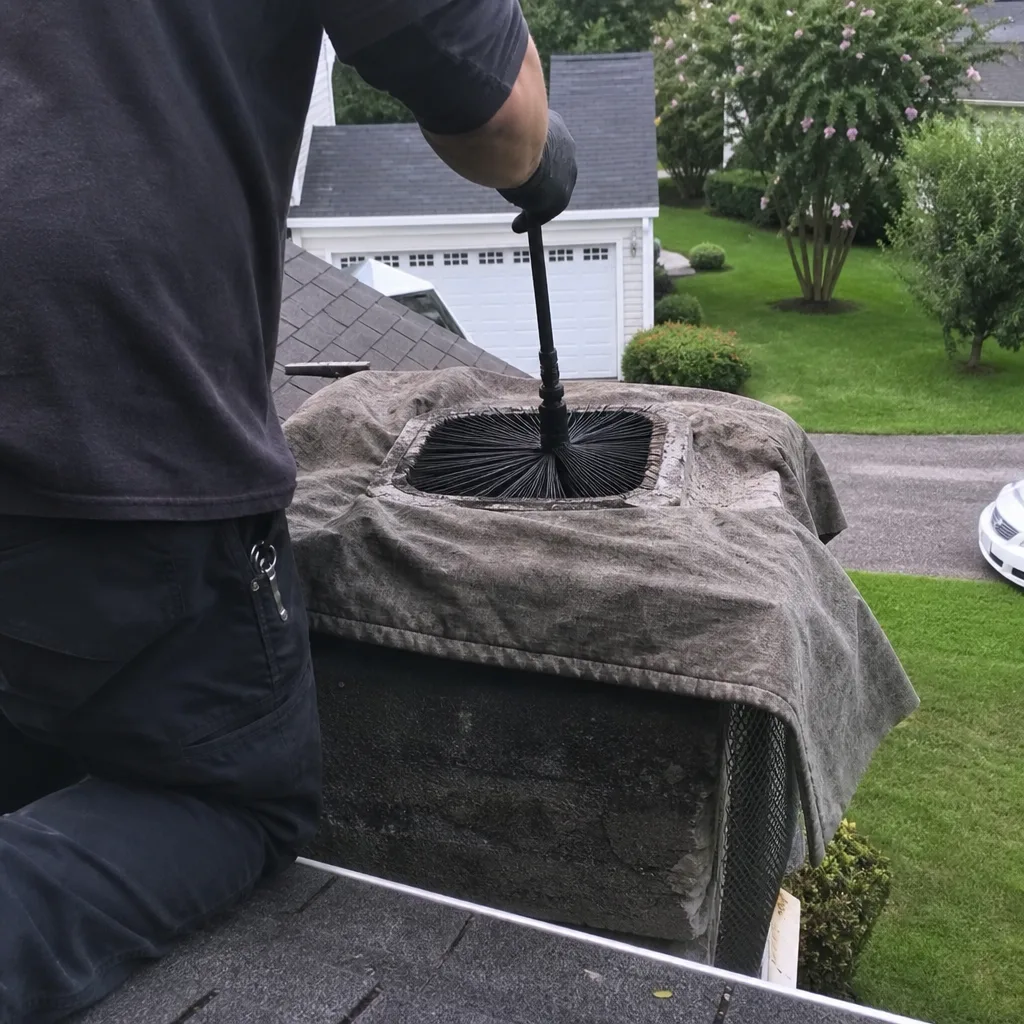
What happens when you call
- 1
A real person answersNo phone trees - you reach a local pro.
- 2
You get an upfront price rangeHonest numbers before anyone is dispatched.
- 3
A background-checked tech heads outLicensed & insured, dispatched right away.
- 4
You approve before work beginsNothing starts until you say go.
BeforeAfterTrusted Brands We Service in Washington
We install and service flue components through our Fireplace Services in Washington, using manufacturers that hold up to DC’s specific conditions. DuraFlex stainless liners handle the flex requirements of tight, multi-flue row house stacks. Gelco and Olympia Chimney components are used on many Washington installations where historic district rules require exterior-facing features unchanged. Because we stock common parts locally, we’re often able to complete a reline or cap replacement without a second visit. Every installation is photographed, documented, and priced in writing before the work begins.
Common Chimney Cleaning & Sweep Problems We See in Washington Homes
- Shared party-wall flue stacks going unlined for generations. In neighborhoods like Shaw and Petworth, two or three row houses often share a single multi-flue chimney stack. One unit’s deteriorating flue can affect the neighboring unit, and a sweep without camera inspection misses hidden creosote or cracked clay tiles inside the shared stack.
- Coal-to-wood conversions with undersized flues. Original 8×8 or 8×12 coal flues are common in Capitol Hill and Georgetown. When a previous owner installed a wood-burning insert, the flue is often undersized and unlined. That combination produces dangerous downdraft and rapid creosote accumulation. Correcting it with a flexible stainless liner is straightforward, but the property’s historic status may restrict what can change on the exterior.
- Freeze-thaw spalling on exterior brick. Washington gets roughly 20 or more freeze-thaw cycles each winter. Water seeps into brick, freezes, expands, and pops the face off. Original crown mortar from the 1920s is especially vulnerable. Spalled brick around the chimney cap lets water directly into the flue system, accelerating internal deterioration that a standard sweep won’t address.
- High-humidity mortar erosion inside unlined flues. DC sits in the Potomac River valley, and the ambient humidity drives condensation deep into old unlined flues. That moisture erodes soft lime mortar from the inside out. Homeowners in Georgetown with 18th- and early-19th-century soft-brick chimneys see faster deterioration than almost any other housing stock in the region. A camera inspection shows this erosion clearly, and we document it so you can see what we see.
Pricing for Chimney Cleaning & Sweep in Washington, DC
A standard chimney cleaning with Level 1 inspection in Washington runs $189 to $310 for a single flue. Row houses with multi-flue stacks serving two or three fireplaces run $260 to $480 depending on the number of flues and their condition. A Level 2 camera inspection adds $159 to $249 when booked with a cleaning. Creosote removal for third-degree glaze starts at $225 and goes up based on flue length and severity. Relining a coal-era 8×8 flue with DuraFlex stainless starts around $1,500 to $2,200 in most Washington row houses, though historic district compliance can shift the scope. Every price is written before work starts. No exceptions. Free estimates by phone at (571) 376-7052.
We Also Serve Cities Near Washington
Our Washington crews also handle Chimney Cleaning & Sweep in nearby neighborhoods and towns across the metro area. If you’re just across the border in Arlington or Silver Spring, the historic district rules may differ, but our standard of camera documentation and written pricing doesn’t. See our Washington coverage page for full local details.
Serving Washington, DC - Our Local Coverage Area
We’re based in the Washington area and know this community well. Use the map below to see our service coverage - if you’re nearby, we can almost certainly help.
FAQs - Chimney Cleaning & Sweep in Washington
Possibly, yes. If your Capitol Hill property is a contributing structure in a historic district, any chimney cap, crown, or exterior chase modification visible from the public right-of-way may require review and approval by the DC Historic Preservation Office. A standard cap replacement on a non-contributing property or one where the cap style is unchanged often requires no review. We check the property’s status before recommending any exterior work, and we document the existing cap condition with photos first. Call (571) 376-7052 and we’ll help you determine what applies to your block.
Two reasons: age and moisture. Georgetown contains some of the oldest residential masonry in the region, with 18th- and early-19th-century soft-brick chimneys. Soft brick absorbs water more readily than modern hard-fired brick. Combined with DC’s Potomac valley humidity and 20+ annual freeze-thaw cycles, that water repeatedly freezes and expands inside the brick, causing spalling and rapid mortar erosion. The fix often involves repointing, crown repair, and a stainless liner. We quote all of it in writing and back it with the 365-Day Done Right Promise.
Yes, with a caveat. We can clean an unlined flue, but we’ll recommend a Level 2 camera inspection first to check for deteriorated mortar, cracking, and heat transfer risk to shared party walls. An unlined flue that’s been running wood heat since the 1950s or 1960s often has significant internal erosion that a brush-only sweep won’t reveal. We won’t recommend a liner without showing you the camera footage that justifies it. That’s the whole point of our inspection standard.
First-degree creosote is flaky, dry, and removable with standard brushing. Third-degree is a hardened tar glaze that requires chemical treatment or mechanical removal tools beyond a standard sweep. In Washington, third-degree creosote shows up most often in row house chimneys with wood inserts vented into undersized, unlined coal flues. If a company brushes only and calls it done, the glaze remains and remains flammable. We document the creosote class with photos and address it with methods matched to the flue’s actual condition.
It can, and that’s exactly why we use camera inspection before and after. In shared party-wall stacks, the flues run side by side but share structural masonry. If your flue has cracked tiles or deteriorated mortar, the issue may extend into the neighboring unit’s flue. We document everything we find so you can share it with your neighbor or your condo board. We also make sure our cleaning process doesn’t disturb the adjacent flue. If the stack needs repairs, we’ll scope the work precisely and give you a written price before anything starts. Call (571) 376-7052 to discuss your specific stack.
If your Washington chimney hasn’t been looked at in the last year, or you bought your home recently and have never seen the inside of the flue, this is the time. We’ll show you the photos and tell you plainly what needs doing and what can safely wait. Call (571) 376-7052 for a free estimate and a written price before any work begins.
Written by Corrine Halstead, Owner at Level Two Chimney Rockville, leading Washington, DC chimney services under the Haven Standard since 2009.