
Level 1 sweep and inspection to the NFPA 211 annual standard - flue, crown, cap, and flashing checked and photographed
Chimney sweep logs do not sweep chimneys. They loosen some creosote - which then falls where a brush and vacuum still have to collect it.
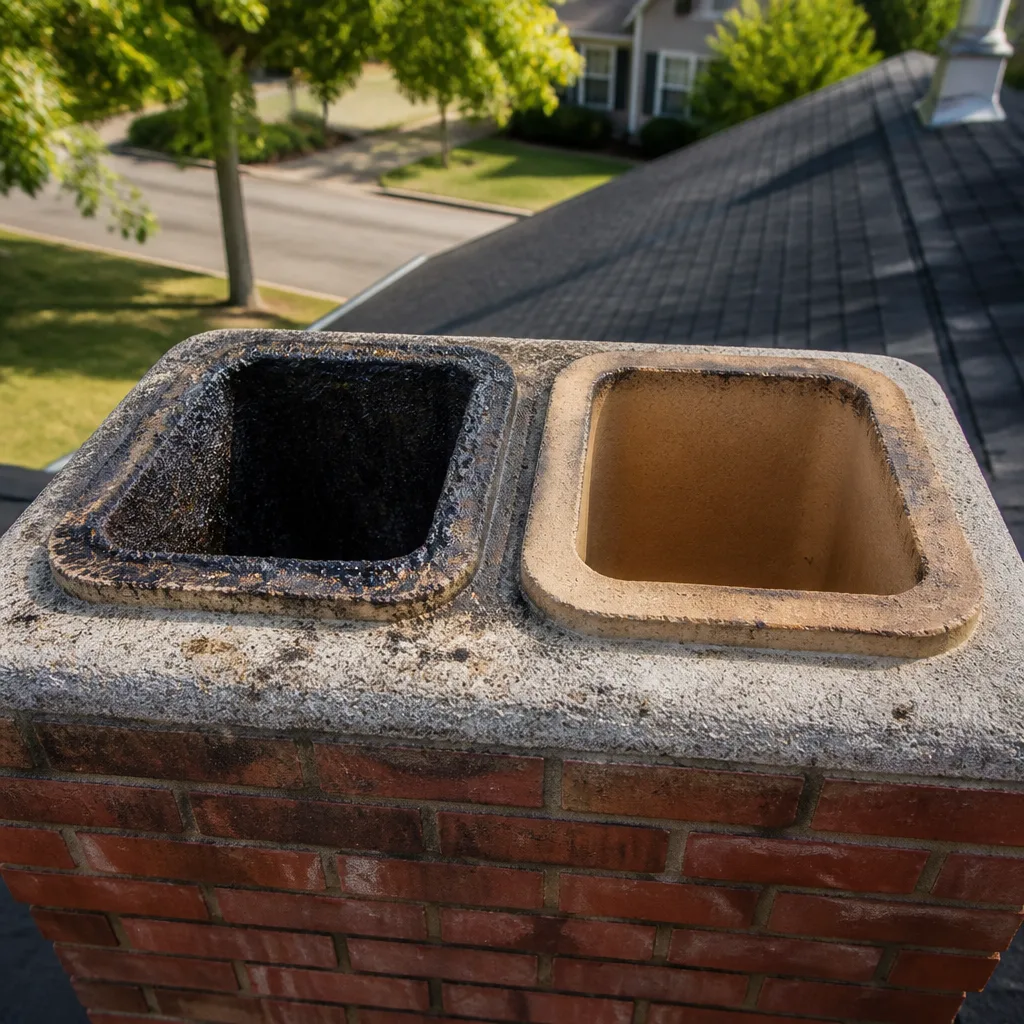
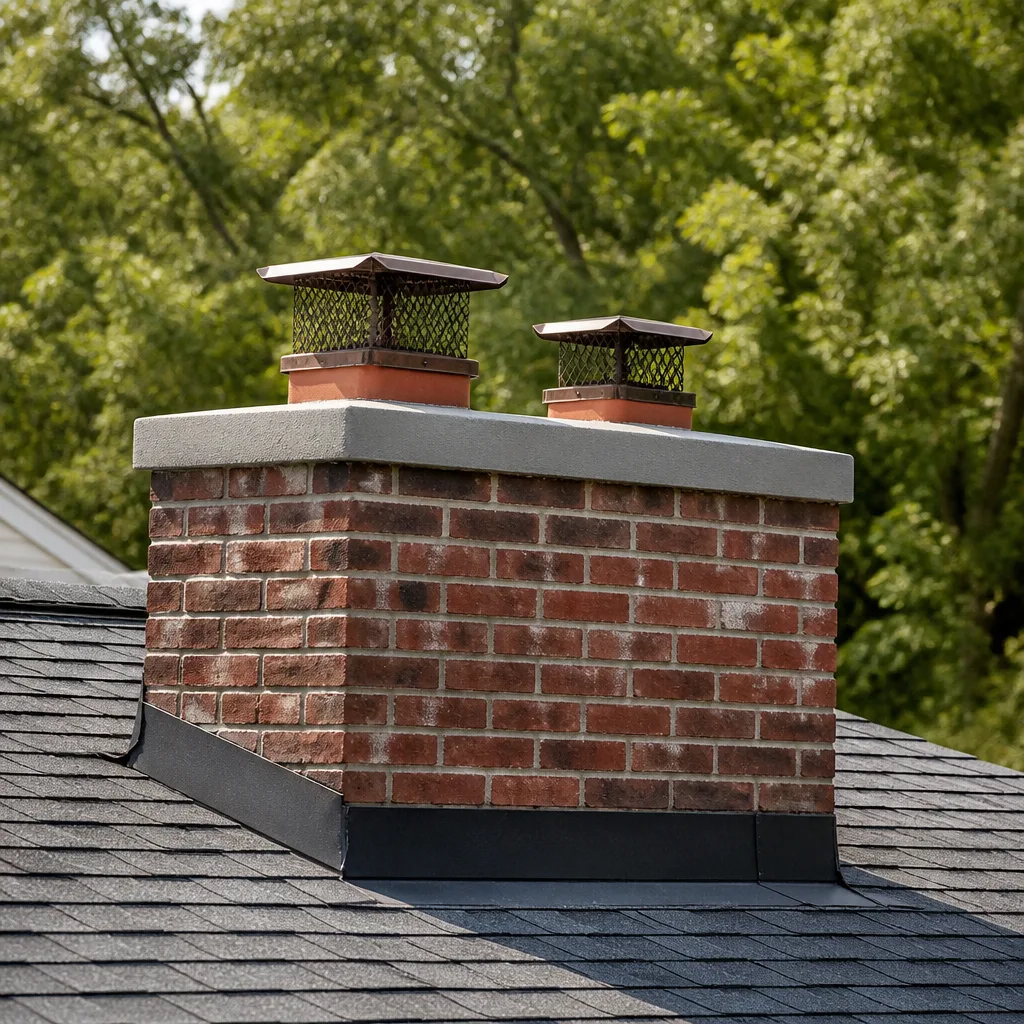
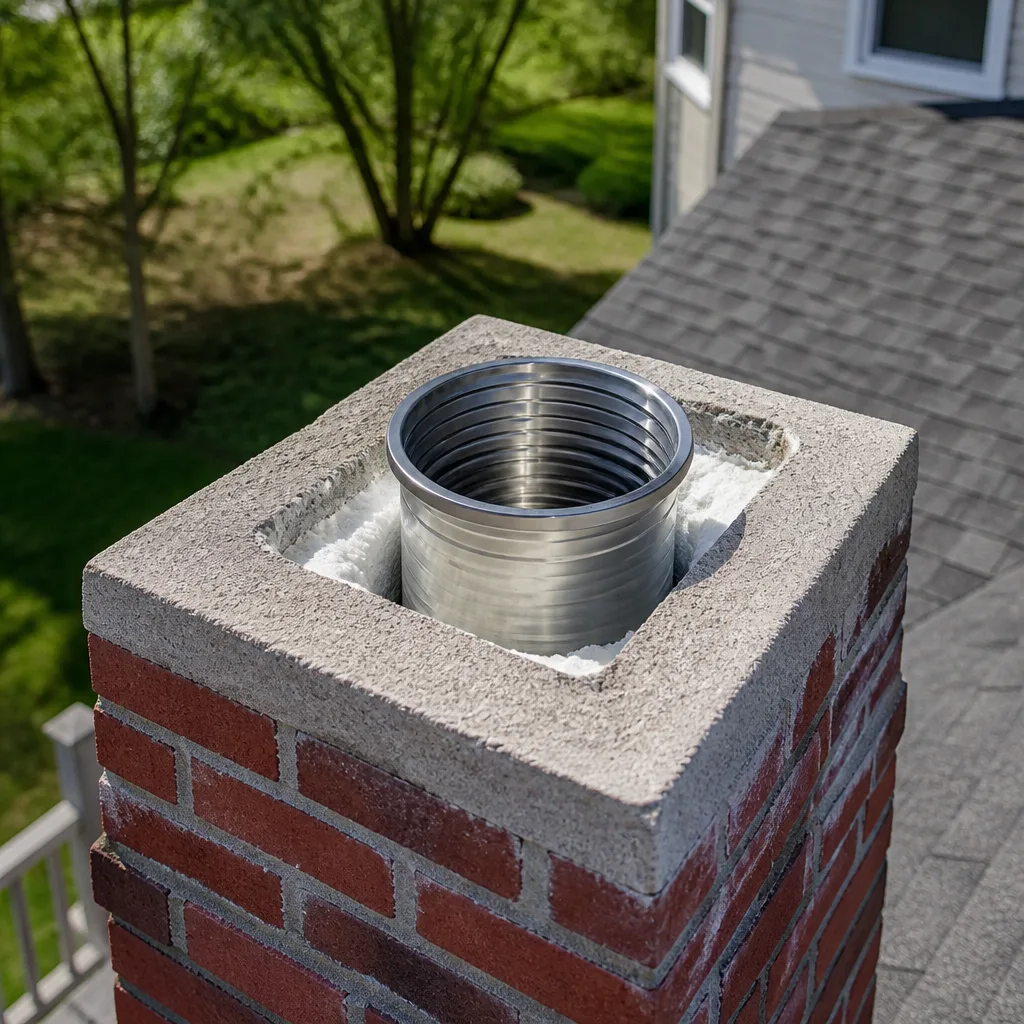
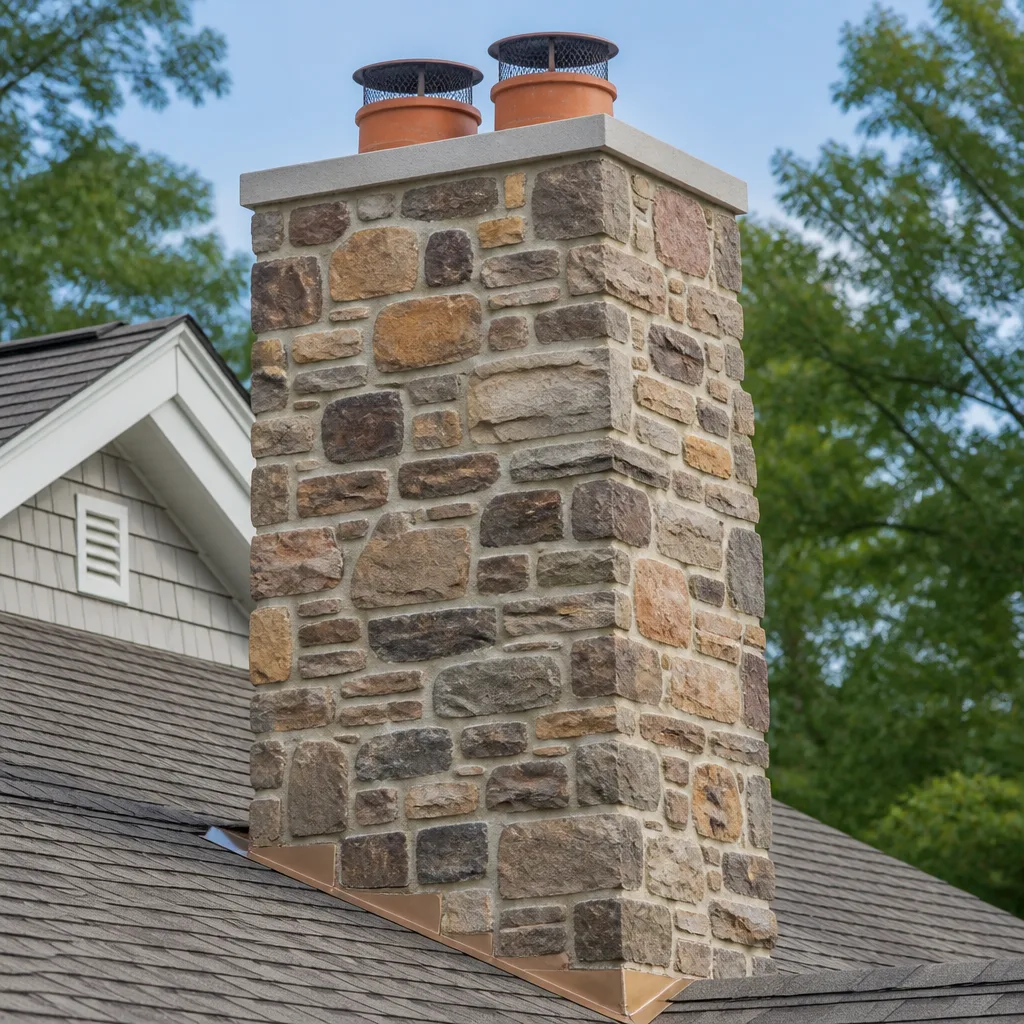
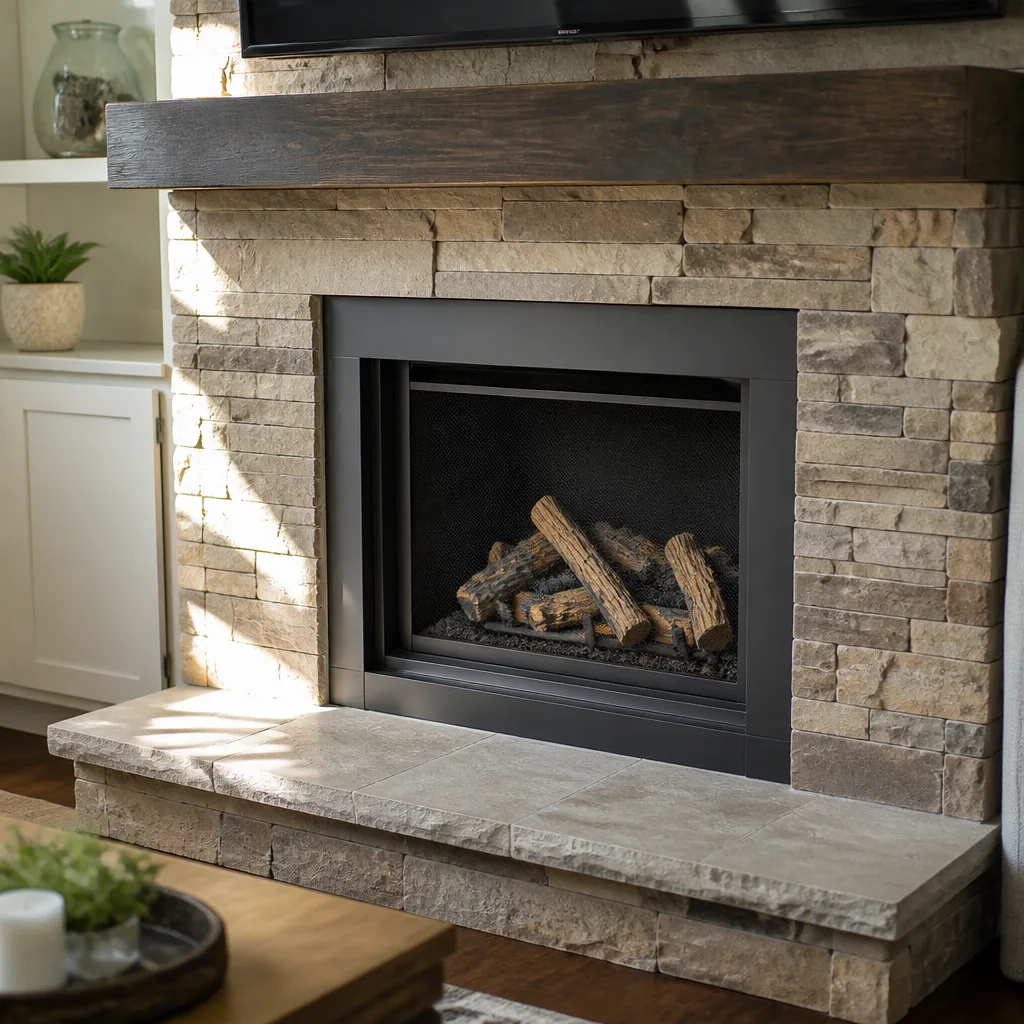
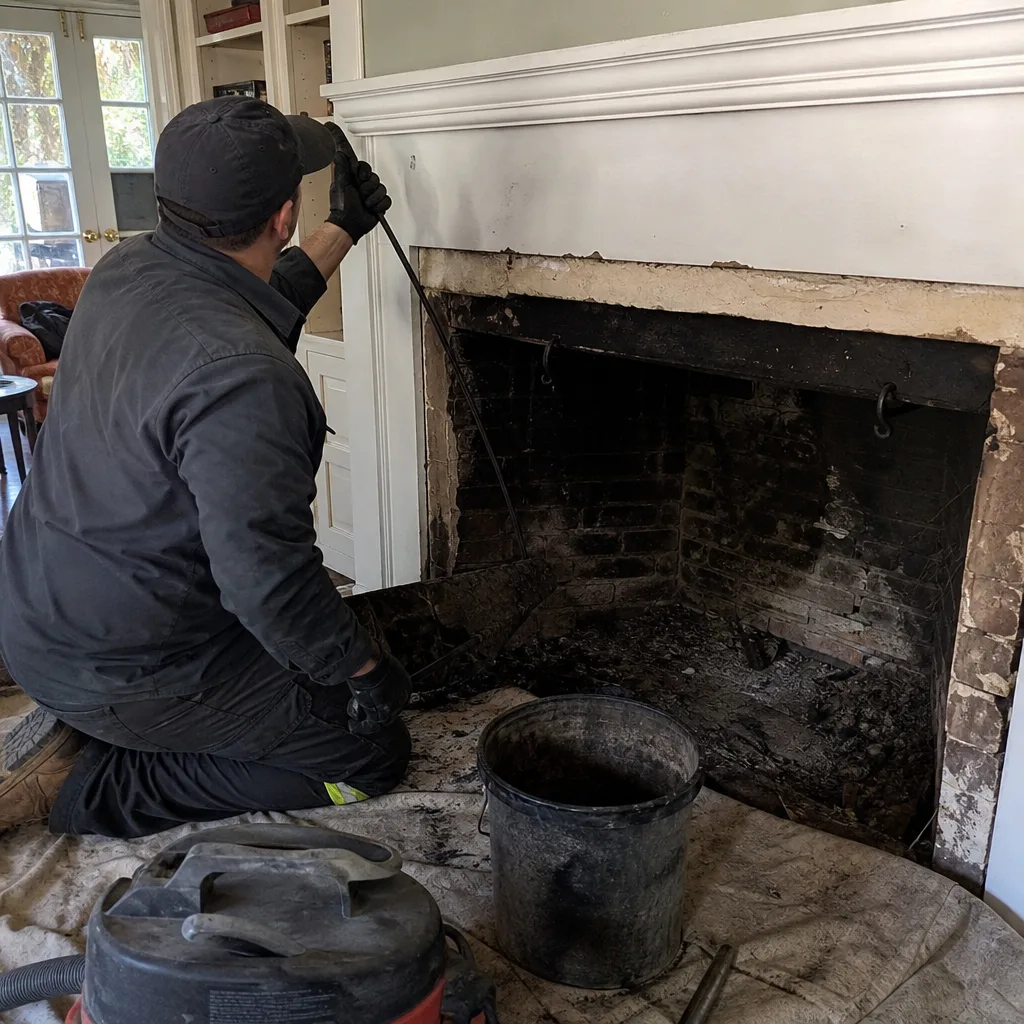 Before
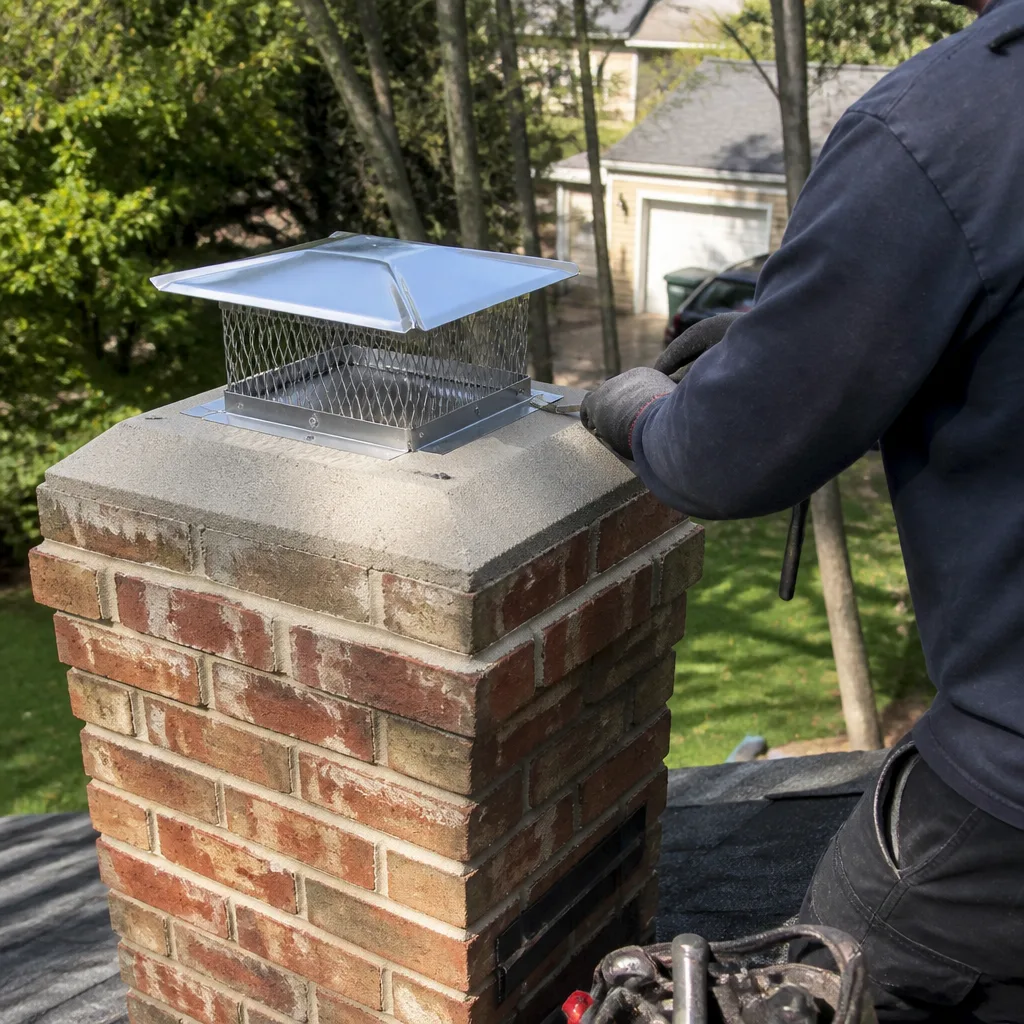 After
After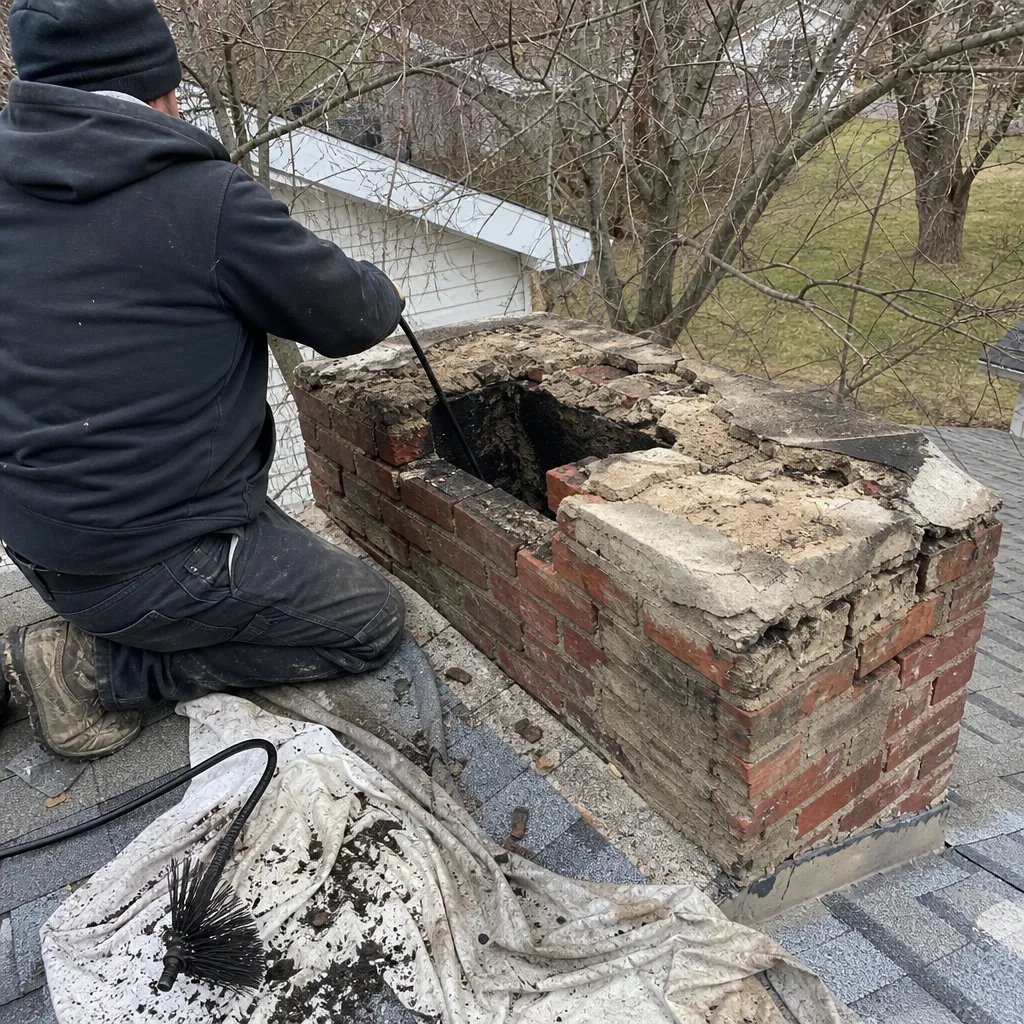 Before
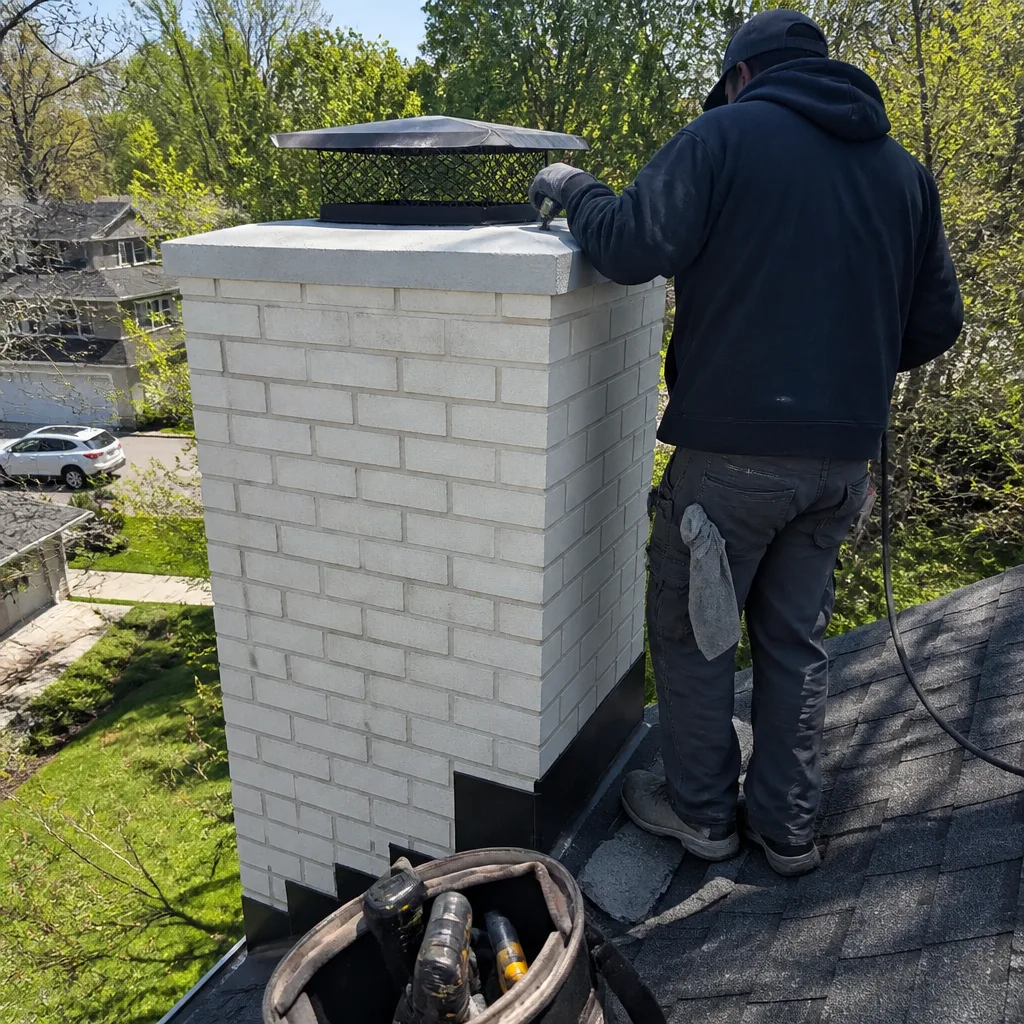 After
After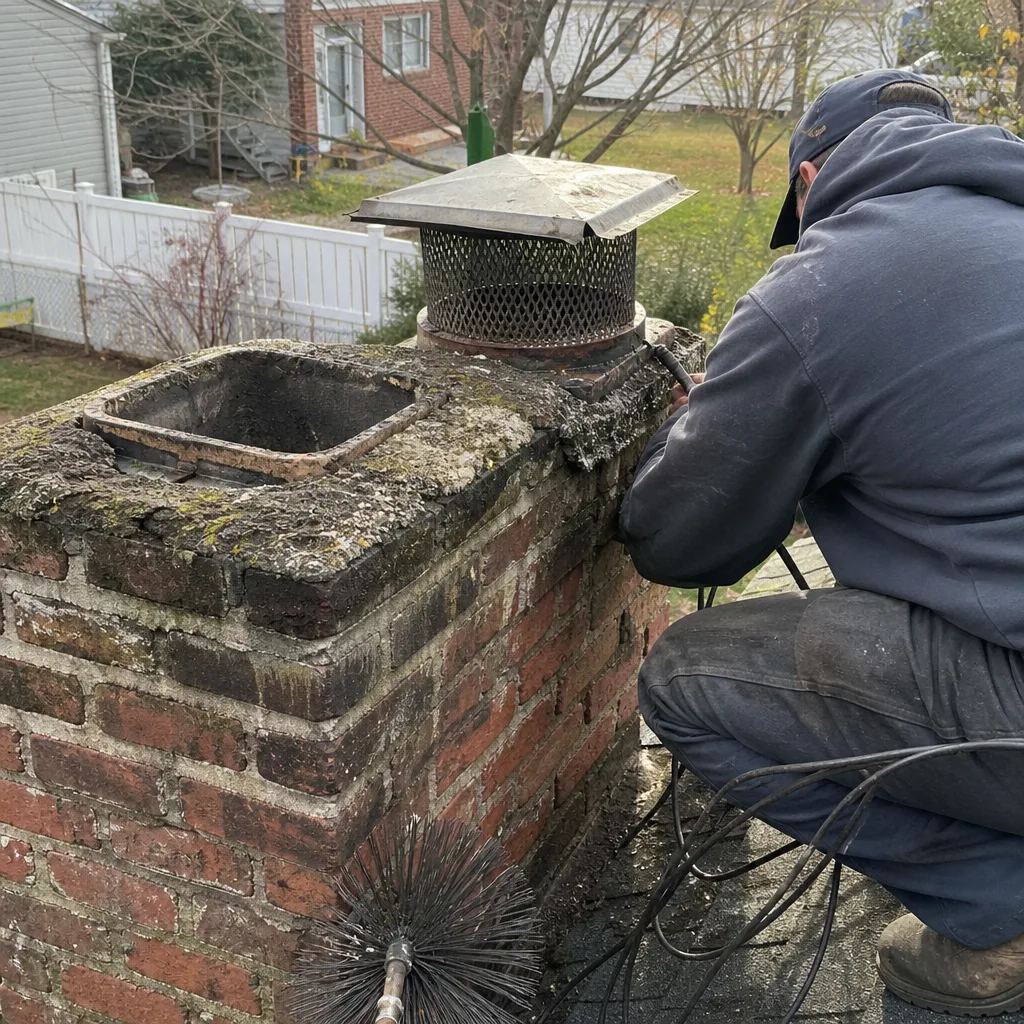 Before
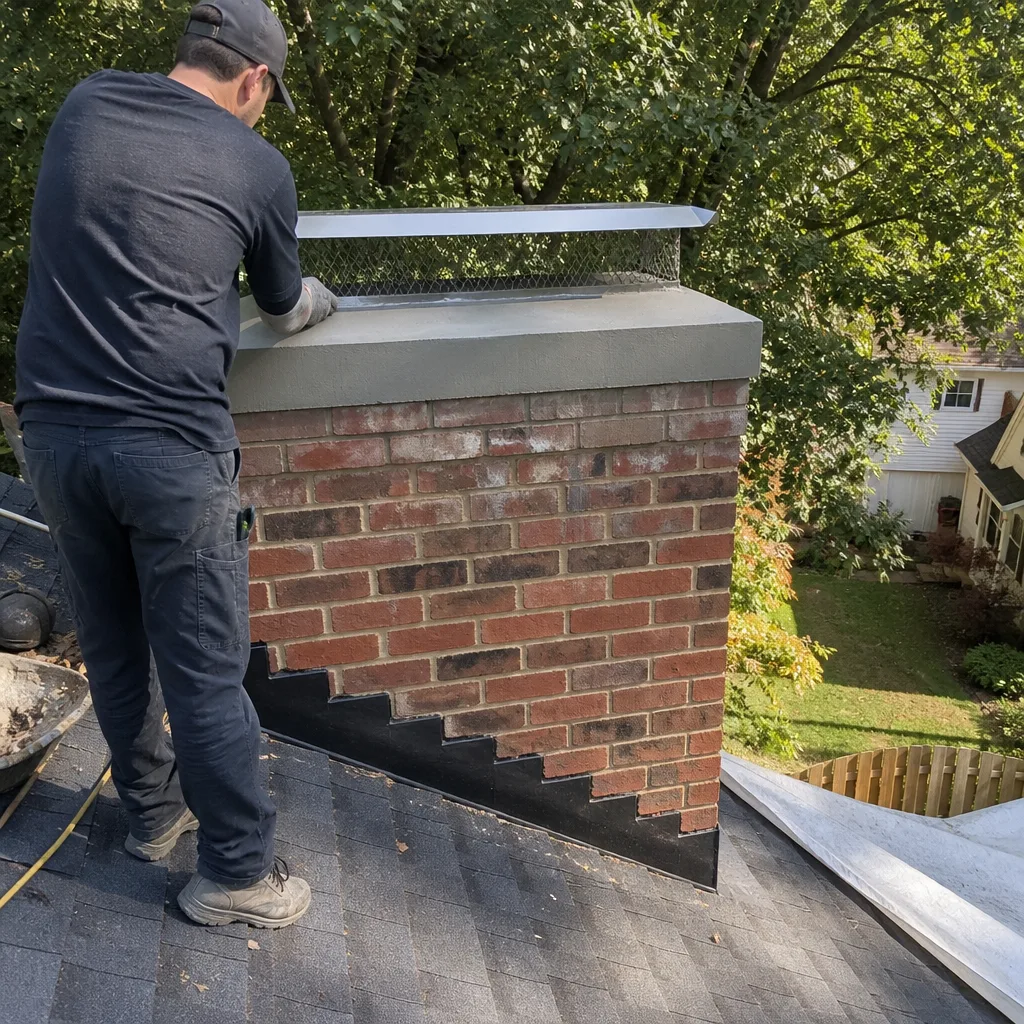 After
AfterSoot Removal in Rockville, MD
How Much Does Chimney Cleaning & Sweep Cost? (2026 Price Guide) - Rockville, MD typically runs $149 to $349 depending on how much accumulation is present, how accessible the flue is, and whether any secondary deposits have hardened into early-stage creosote. Most single-fireplace jobs are completed in one visit, and a written price is on the table before a single brush touches your flue – that is how every job works here, no exceptions.
If you have noticed black residue around your firebox opening, a smoky smell that lingers after a fire, or a faint dusting of dark particulate on your hearth, soot buildup is the most likely cause. Left alone, it does not stay inert. Fine soot particles are mildly acidic, and over time they etch mortar joints, stain brick, and – when mixed with moisture inside an unlined or aging flue – begin degrading the liner material itself. That is the point at which a simple Chimney Cleaning & Sweep services job becomes a repair estimate.
At Level Two Chimney Rockville, soot removal is part of our full Chimney Cleaning & Sweep in Rockville program. Every visit starts with a camera-scan inspection (NFPA 211 Level 2 standard) so we know exactly what we are dealing with before any cleaning begins. We have completed more than 38,000 chimney inspections and cleanings across the region since 2009, and every one of them came with a written price before work started and a documented photo record when it was done. Call us at (571) 376-7052 – live staff answer around the clock, every day of the year.
When You Need Soot Removal
Not every chimney owner knows what to look for. Here are the situations where soot removal moves from optional maintenance to something that should happen soon:
- Black residue visible inside the firebox or on the smoke shelf. A thin, powdery black coating on the firebox walls or the shelf just above the damper is active soot accumulation. If it wipes off on your finger in a fine gray-black smear, it has not yet hardened – which means removal is straightforward right now and more involved later.
- Smoky odor inside the house, even when the fireplace is not in use. Rockville homes with older clay-tile liners, particularly in the Twinbrook and Hungerford neighborhoods, frequently see this in spring and early fall. Soot that has soaked into liner joints holds moisture and releases a sharp, stale smoke smell when humidity rises. It is not a ventilation problem – it is a cleaning problem.
- Dark staining on the exterior face of the fireplace or surrounding masonry. Soot that migrates out of the firebox opening and stains the surrounding brick face usually signals a draft issue compounding the buildup, or a damper that is not sealing properly between fires.
- It has been more than 12 months since your last cleaning. The National Fire Protection Association (NFPA 211) recommends annual inspection and cleaning for any chimney in regular use. In Rockville’s climate – with cold, wood-burning winters running from November through March – a fireplace used two or three times a week accumulates meaningful soot in a single season.
- You are preparing to sell or have just purchased a home. Many homes in the Fallsgrove and West End neighborhoods come with wood-burning fireplaces that have seen variable use under previous owners. A documented cleaning with a photo record is exactly the kind of evidence buyers and their inspectors look for – and exactly what we provide under Haven Standard Clause 4.
- Soot has spilled onto the hearth or surrounding flooring. When soot falls forward onto the hearth during or after a fire, it usually means the smoke chamber or smoke shelf has reached a volume threshold. That loose material is also a fine-particle air quality concern inside the home.
Our Soot Removal Process
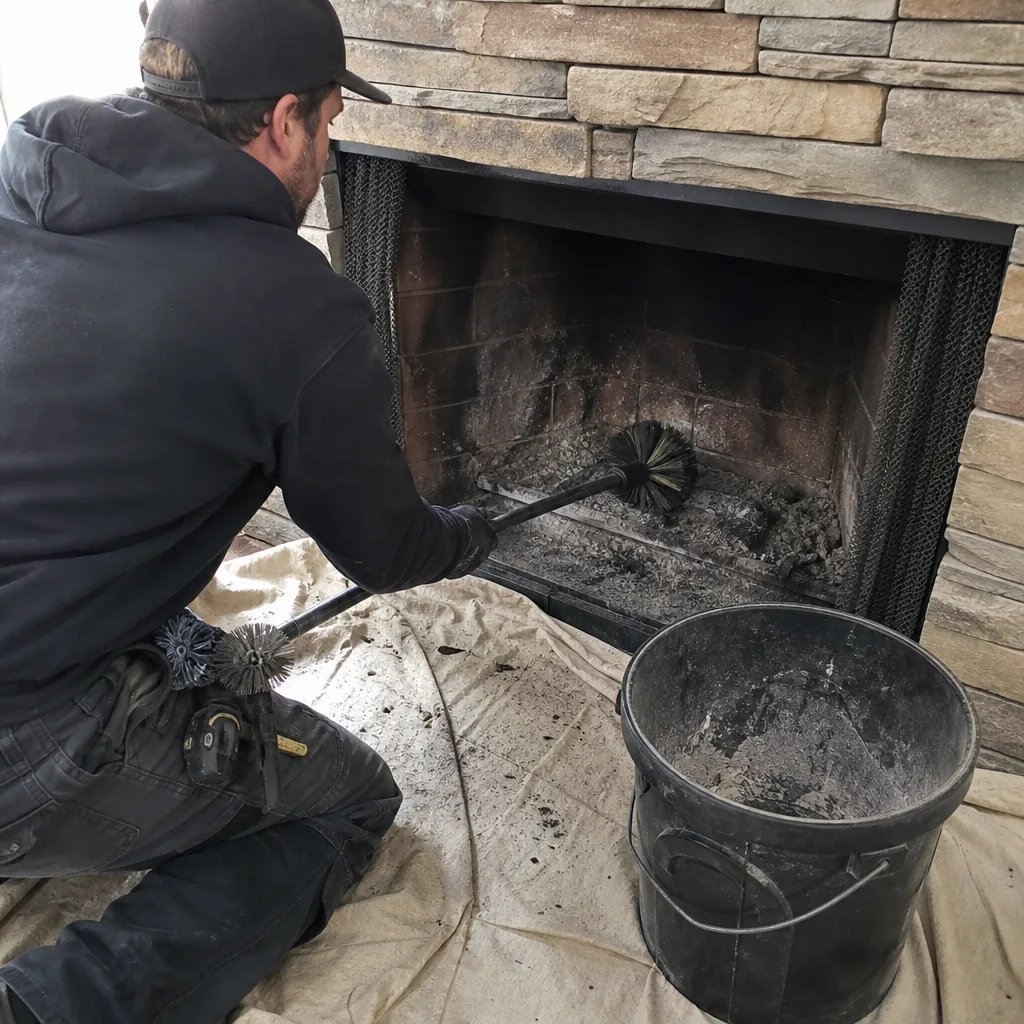
Every soot removal job at Level Two Chimney Rockville follows the same documented sequence. Nothing about it is rushed, and nothing is skipped because the job looks routine on arrival.
- Written price before any work begins. When our technician arrives, the first thing that happens is a scope review and a written price. You have the number in front of you – on paper, not verbally – before any tools come out. This is Haven Standard Clause 1, and it is not negotiable on any job we do. There are no “we’ll tell you after we get a look” situations here.
- NFPA 211 Level 2 camera-scan inspection. Before cleaning starts, we run a camera down the flue. This tells us what type and class of deposit we are dealing with – fine soot (Class I), tacky soot starting to convert (Class II), or hardened glaze that has crossed into early creosote territory – and whether there are any liner cracks, offset joints, or masonry defects that need to be noted before brushes enter the flue. A photo record of the pre-cleaning condition is part of what you receive at the end of the job.
- Firebox and hearth protection. We lay drop cloth and seal the firebox opening before any work begins above or inside. In Rockville homes with original hardwood or tile hearths, particularly in older colonials in the College Gardens area, this step matters – soot is a persistent stain on porous surfaces and difficult to remove once it sets.
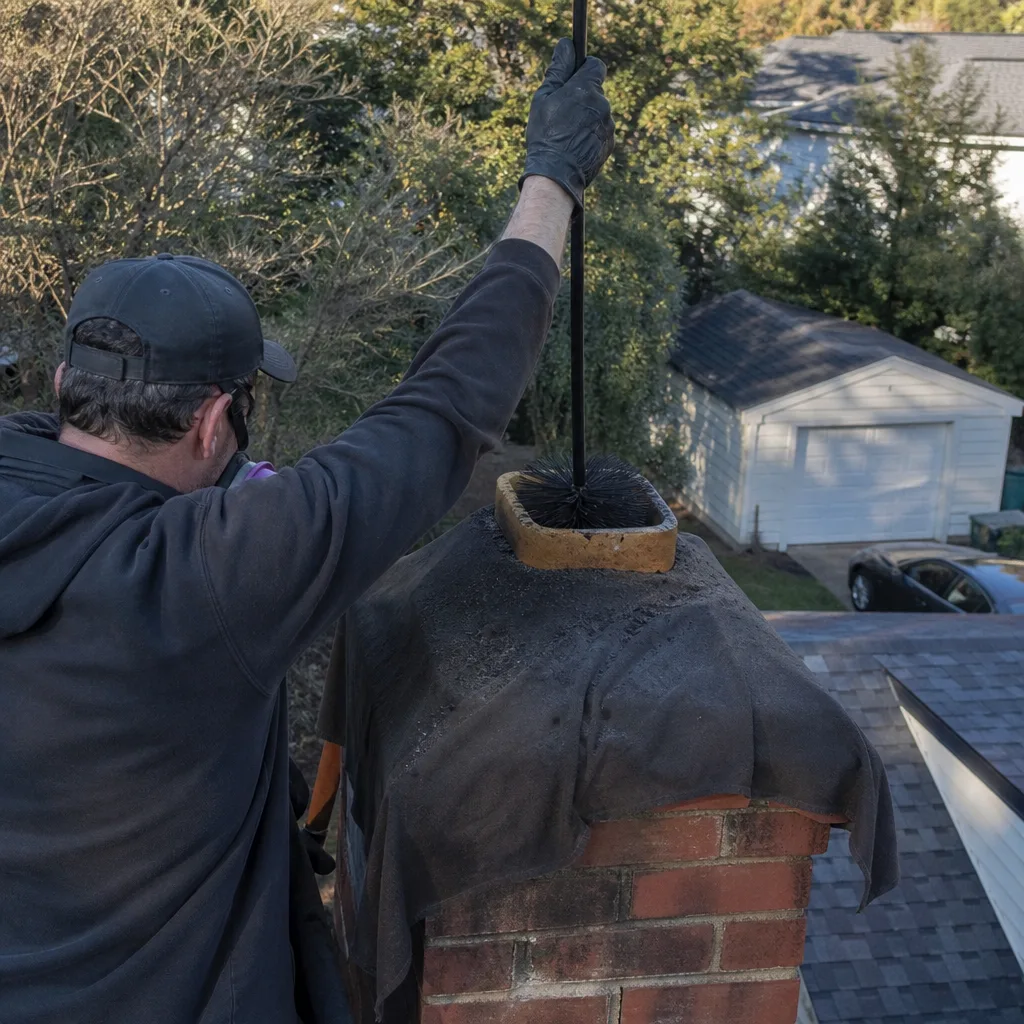
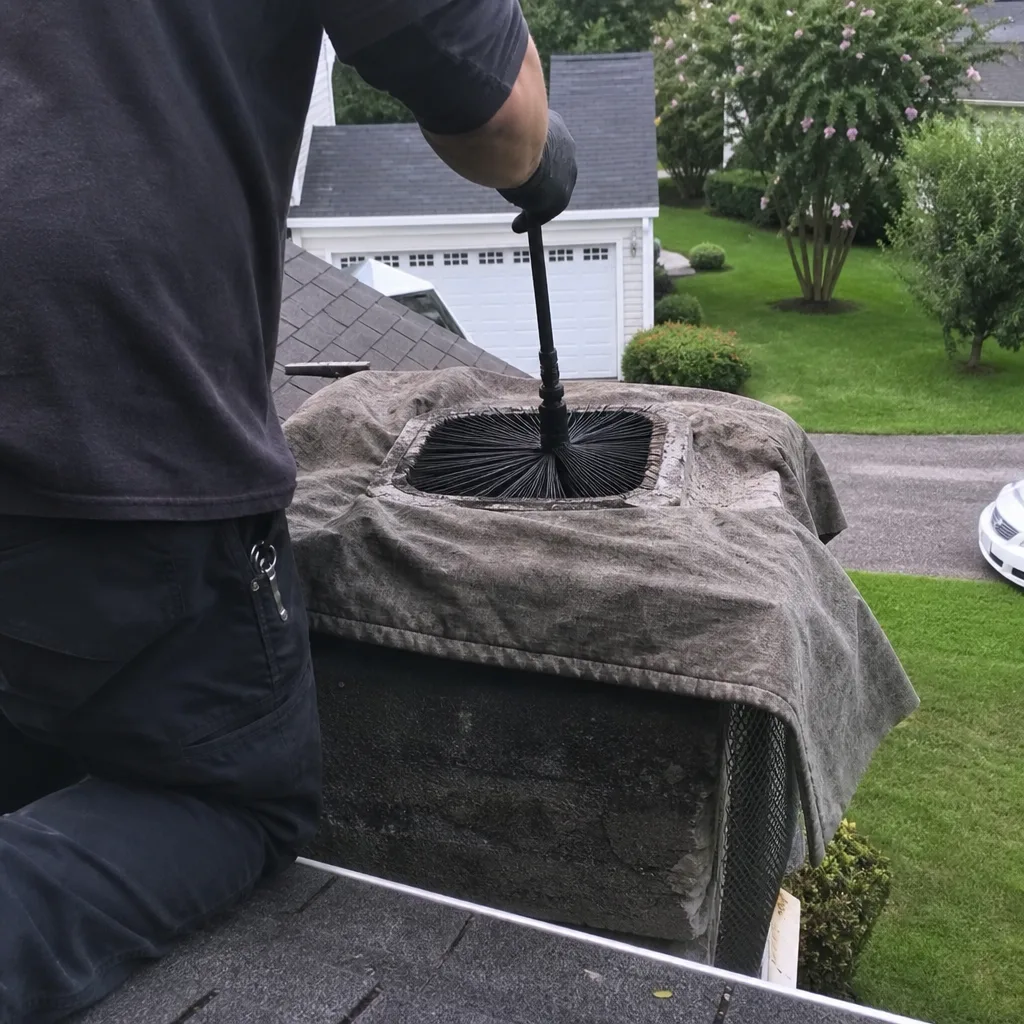
- Flue brushing, top-down. Rotary brush equipment is worked down through the flue from the top, dislodging soot deposits from the liner walls and smoke chamber. The specific brush diameter is matched to your flue dimensions – a critical detail, because an undersized brush on a rectangular clay-tile liner leaves strips of buildup at the corners. We confirm liner dimensions from the camera scan before selecting equipment.
- Smoke chamber and firebox cleaning. The smoke chamber – the angled section between the smoke shelf and the top of the firebox opening – collects significant soot volume and is often the area most neglected in a fast sweep. We clean this section separately, using hand tools where rotary brushes cannot reach the angled parging.
- Vacuum extraction and documented final inspection. HEPA-rated vacuum equipment runs throughout and during final cleanup. Once cleaning is complete, the camera goes back down for post-cleaning documentation. You receive photos showing the pre- and post-cleaning condition of the liner, smoke chamber, and firebox. That record is yours to keep – useful for insurance, for home sale, or simply as a baseline for next year’s visit.
BeforeAfterSoot Removal Pricing in Rockville
Soot removal in Rockville costs $149 to $349 for a standard single-fireplace job. Below is a clear breakdown of what drives that range, so you can estimate where your situation likely falls before we arrive.
| Scenario | Typical Price Range |
|---|---|
| Light soot, single fireplace, last cleaned within 12 months | $149 – $199 |
| Moderate soot accumulation, single fireplace, 1-3 years since last cleaning | $199 – $279 |
| Heavy soot, smoke shelf and smoke chamber involvement, 3+ years since last cleaning | $279 – $349 |
| Soot with early-stage creosote conversion (Class II transition) requiring additional treatment | $349 – $499 |
| Second fireplace or additional flue cleaned during the same visit | Add $99 – $149 |
A few specific factors affect where your job lands on that range:
- Deposit class and depth. Fine, powdery soot that has not yet begun the conversion process to creosote cleans quickly. Soot that has been heat-cycled repeatedly, especially in fireplaces burning wet or unseasoned wood – common in Rockville homes where wood is stored without a full seasoning season – starts developing a tacky or tar-like consistency that requires longer dwell time and more passes.
- Flue height and configuration. Taller chimneys in two-story colonials have more liner surface area to clean. Offset flues, which occur when a chimney has been extended or modified, require repositioning equipment mid-job.
- Liner type. Round stainless liner (such as a DuraFlex relining) cleans faster and more completely than original rectangular clay tile, where corners accumulate material that brushes miss unless the operator works methodically. Olympia Chimney system components in newer liner installs are generally easier to service.
- Smoke chamber condition. A parged smoke chamber in good condition is straightforward. A chamber with failing or missing parging collects more material and takes more time to clean safely without dislodging masonry into the firebox.
The written price you receive reflects the actual condition found during the camera inspection – not a number dialed in over the phone from a description. If the inspection reveals that soot has crossed into Class II or Class III creosote territory, we will tell you that before cleaning begins and give you a separate written price for the appropriate treatment. You decide from there. No pressure, no bait-and-switch.
We also offer a free second opinion on any written estimate you have already received from a competitor. Bring the quote, and we will review it on the spot.
FAQs – Soot Removal
What is the difference between soot and creosote, and does it matter for pricing?
Soot is the fine, powdery black carbon residue left by incomplete combustion – it brushes out cleanly and is the baseline result of normal fireplace use. Creosote is what soot becomes when it is heated and cooled repeatedly over time: it progresses from a flaky, dusty deposit (Class I) to a tar-like, sticky coating (Class II) to a hard, glazed layer (Class III) that resists brushing and requires chemical treatment or mechanical removal. The distinction matters for pricing because Class I deposits are straightforward to remove, while Class II and Class III require additional steps and products. The camera inspection at the start of every Level Two job identifies which class you have before any price is set. Call (571) 376-7052 for a free estimate – the number on your written quote reflects what we actually found, not a phone estimate.
How often does a Rockville fireplace need soot removed?
For a fireplace used regularly through Rockville’s heating season – roughly November through March, with average use of two or three fires per week – Annual Sweep soot removal is the right interval. NFPA 211 recommends annual inspection and cleaning for any chimney in active use, and that recommendation was written with exactly this kind of seasonal use pattern in mind. If your fireplace sees lighter use (a few fires per season, not per month), every 18 to 24 months is reasonable, but an annual camera inspection is still the right practice because liner condition, cap integrity, and crown condition can change independently of how much you burn. Call (571) 376-7052 and we can help you figure out the right schedule for your setup.
Can soot removal be a DIY job?
Brushing light soot from a firebox is within reach for a careful homeowner with the right equipment – a properly-sized chimney brush, HEPA vacuum, and protective gear. What is not a DIY job is the flue liner itself. Working a brush through a full flue without knowing the liner’s current condition risks dislodging cracked tile sections into the firebox or pushing debris into an already-restricted smoke chamber. More practically, you will not know whether what you are looking at is Class I soot or an early-stage creosote conversion without a camera. The cleaning part is less complicated than the diagnosis part, and getting the diagnosis wrong is what leads to chimney fires. Our camera-scan inspection and written report are included in the job price – that documentation is worth more than the cleaning itself in terms of what it tells you about the state of the system.
What does the photo record you provide actually show?
Every Level Two Chimney job produces a documented photo record under Haven Standard Clause 4 – this is not a couple of phone snapshots. The record includes camera-scan images of the flue liner from both before and after cleaning, showing deposit conditions, any cracks or offset joints identified during inspection, the smoke chamber condition, firebox floor and walls, and the cap and crown at the top. You receive this record at the end of the job in a format you can keep, share with an insurance carrier, attach to a home sale disclosure, or simply file as a maintenance baseline. It is the same documentation practice Level Two has maintained since 2009 – every job, no exceptions. If a competitor does not offer this as a standard deliverable, that is a useful thing to know before you hire them.
Key Takeaways
- Soot removal in Rockville runs $149 to $349 for most single-fireplace jobs; the written price is set after a camera inspection, not before we have seen the flue.
- Every job starts with an NFPA 211 Level 2 camera scan and ends with a documented photo record – both included as standard under the Haven Standard.
- Soot that is not removed converts to creosote over time; catching it at the soot stage is cheaper and faster than treating Class II or Class III deposits.
- Annual cleaning is the right interval for Rockville fireplaces in regular use through the heating season.
- The 365-Day Done Right Promise backs every job: if it is not done right, we make it right.
- A written price, written scope, and written warranty are delivered before work begins on every visit – Haven Standard Clause 1.
Schedule Soot Removal in Rockville
If your fireplace is showing any of the signs described above – or if it has simply been more than a year since the last cleaning – the right move is a camera-scan inspection and written quote. We cover Rockville thoroughly, including Twinbrook, Fallsgrove, College Gardens, Hungerford, West End, and the surrounding neighborhoods. Our broader home service area extends across Montgomery County, and live staff are available to take your call any time of day.
Call (571) 376-7052 to schedule. We will confirm your appointment with a named technician, send a text when they are on the way, and have a written price ready for you before any work begins. Estimates are free, and if you have a competitor’s written quote, bring it – we will review it at no charge.
Written by Corrine Halstead, Owner at Level Two Chimney Rockville, serving Rockville.