
Level 1 sweep and inspection to the NFPA 211 annual standard - flue, crown, cap, and flashing checked and photographed
Chimney sweep logs do not sweep chimneys. They loosen some creosote - which then falls where a brush and vacuum still have to collect it.
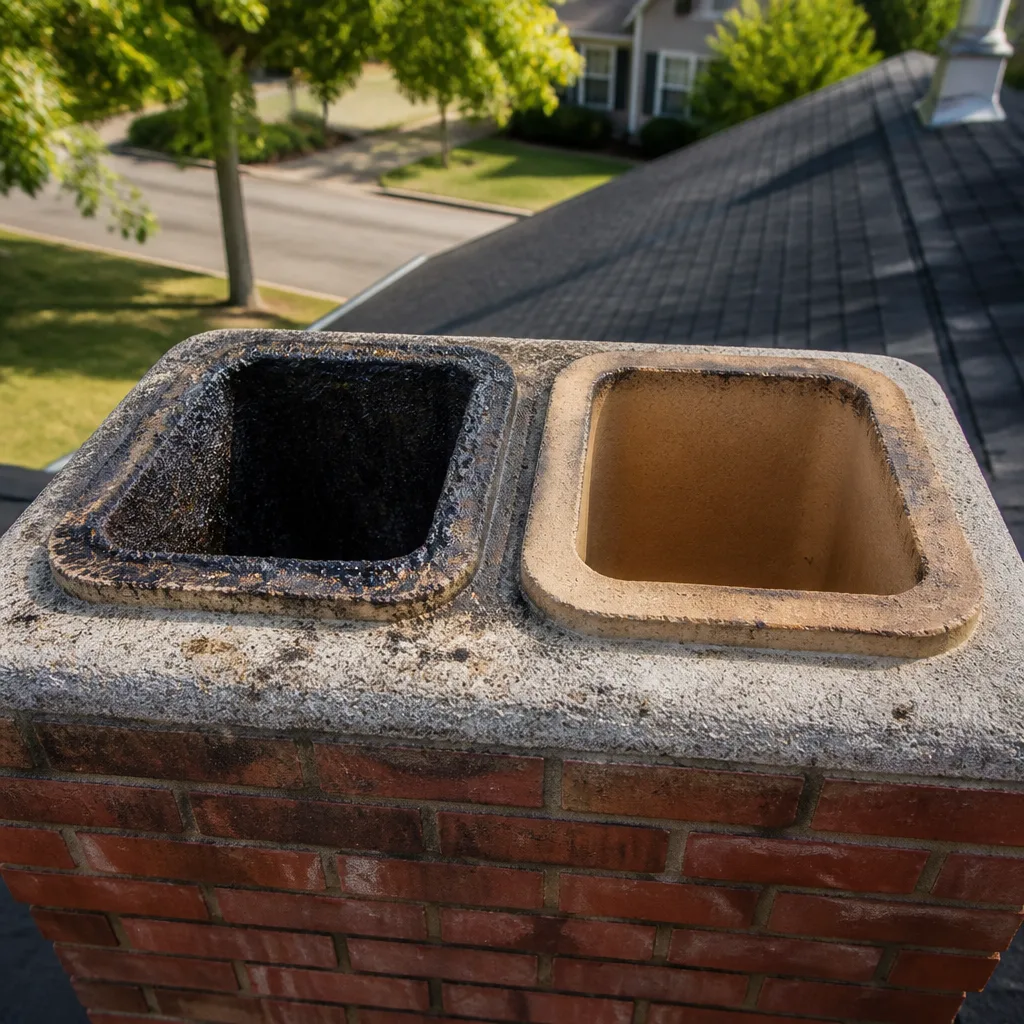
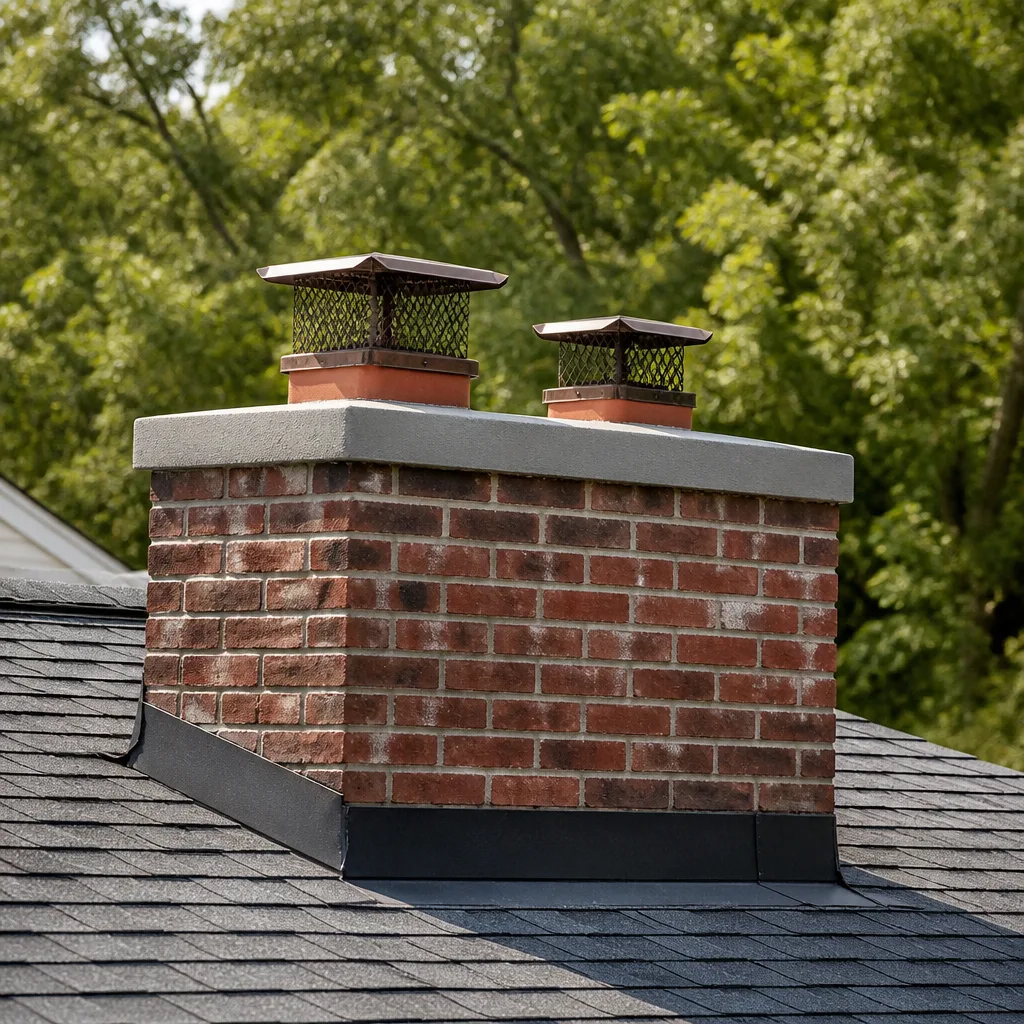
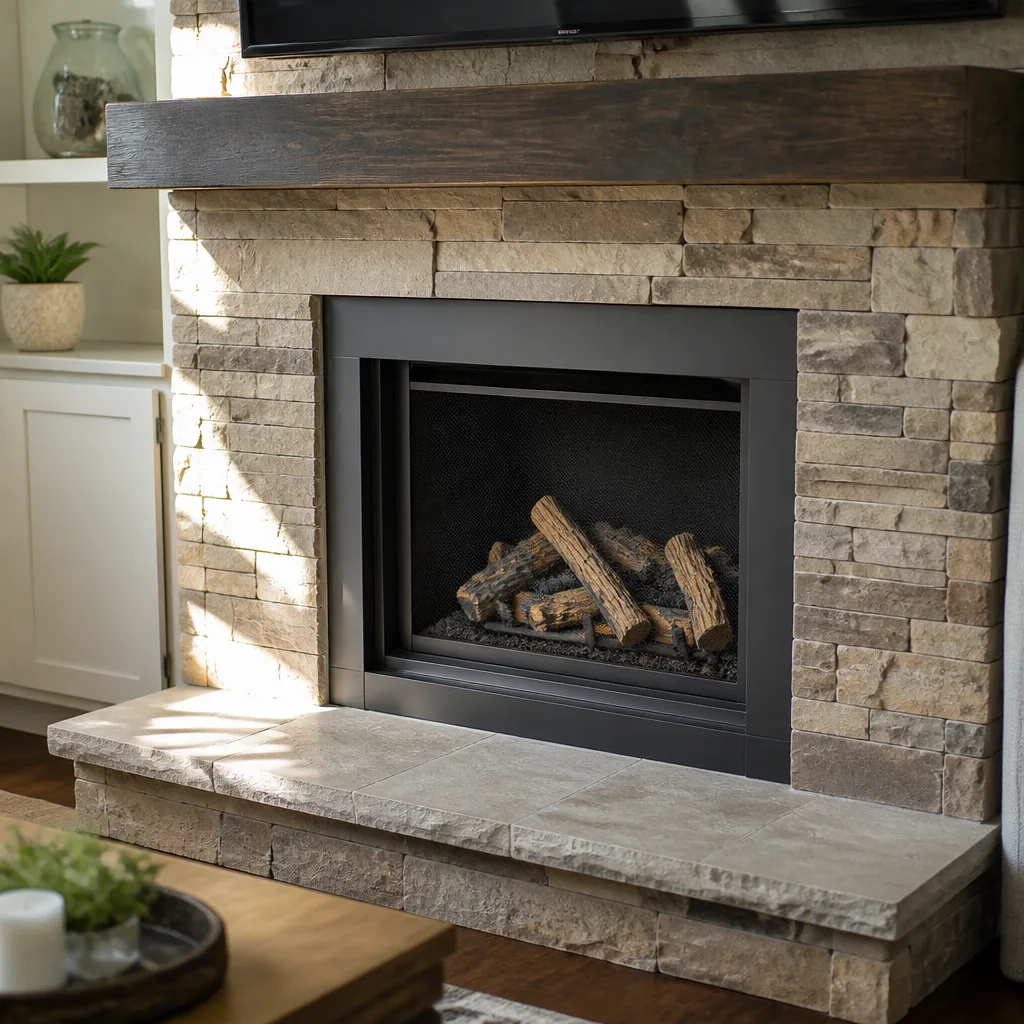
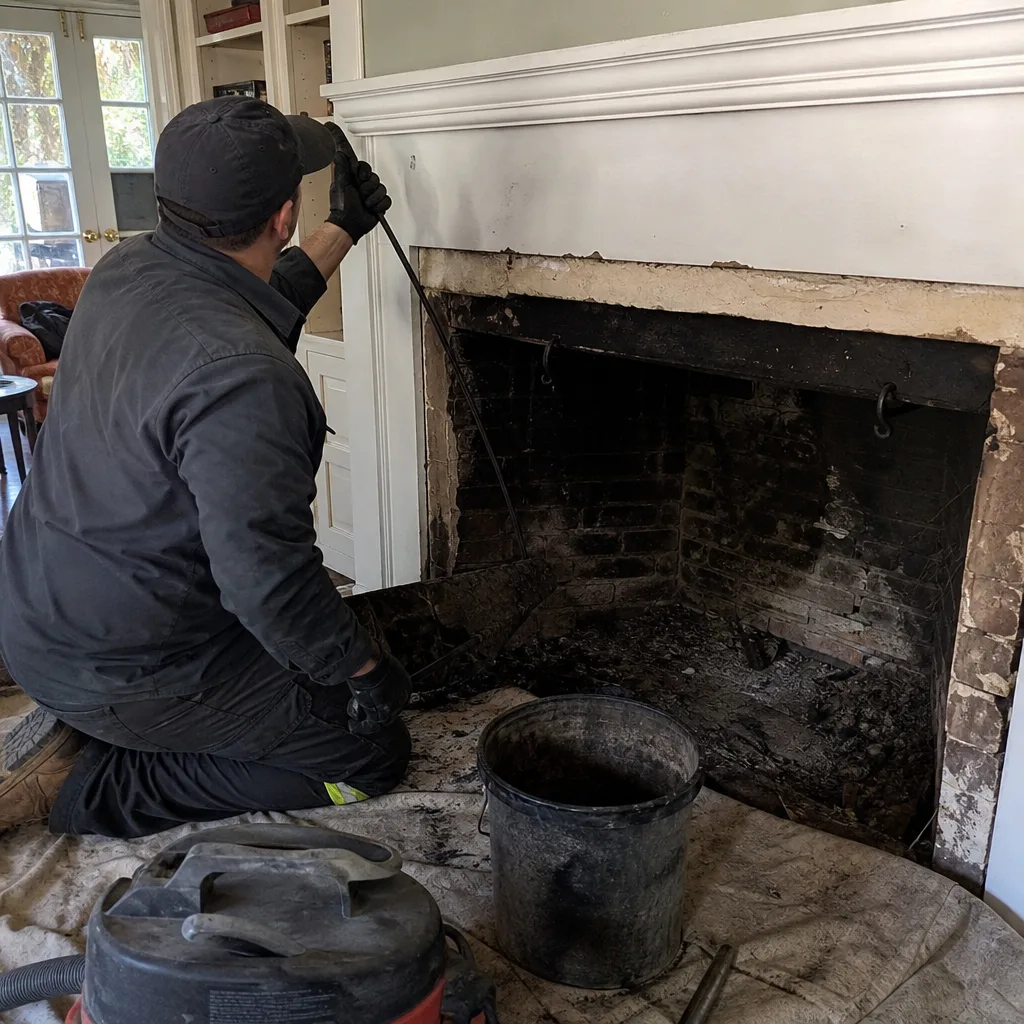 Before
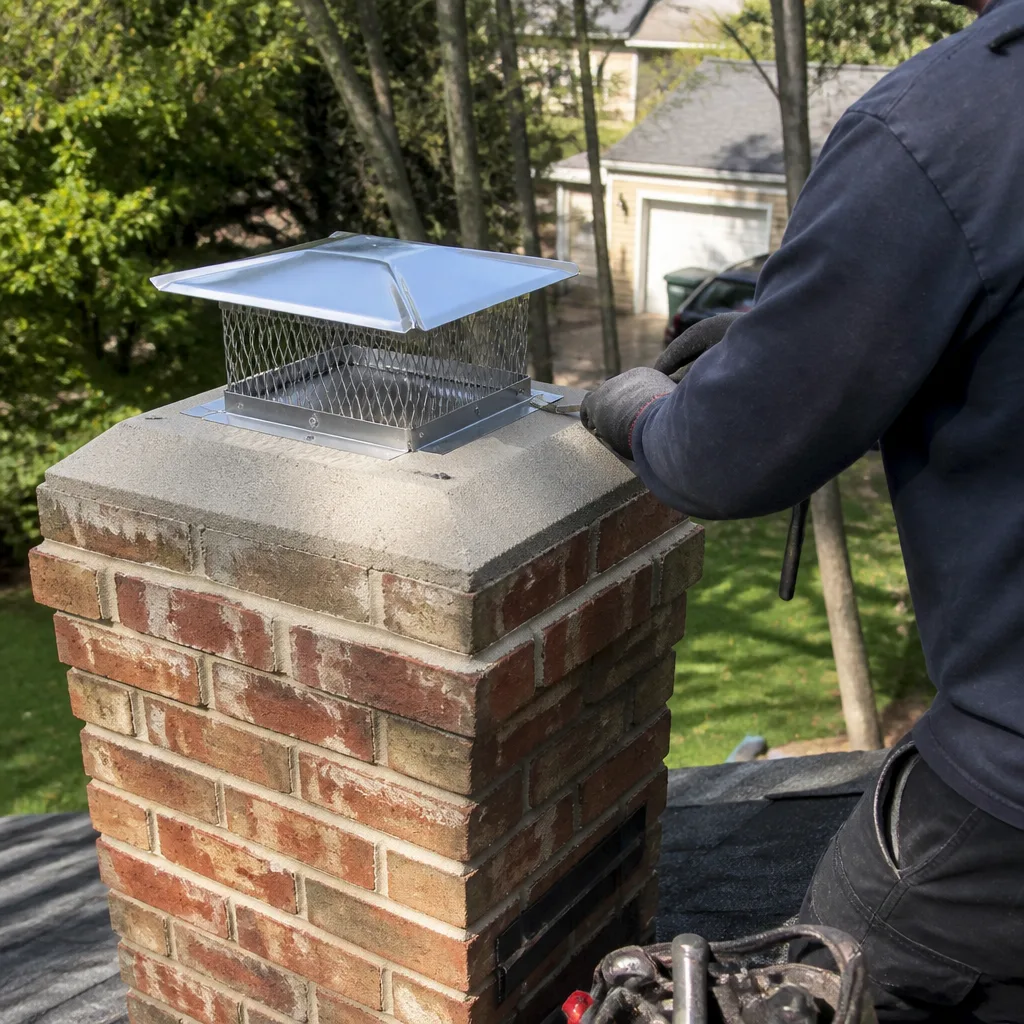 After
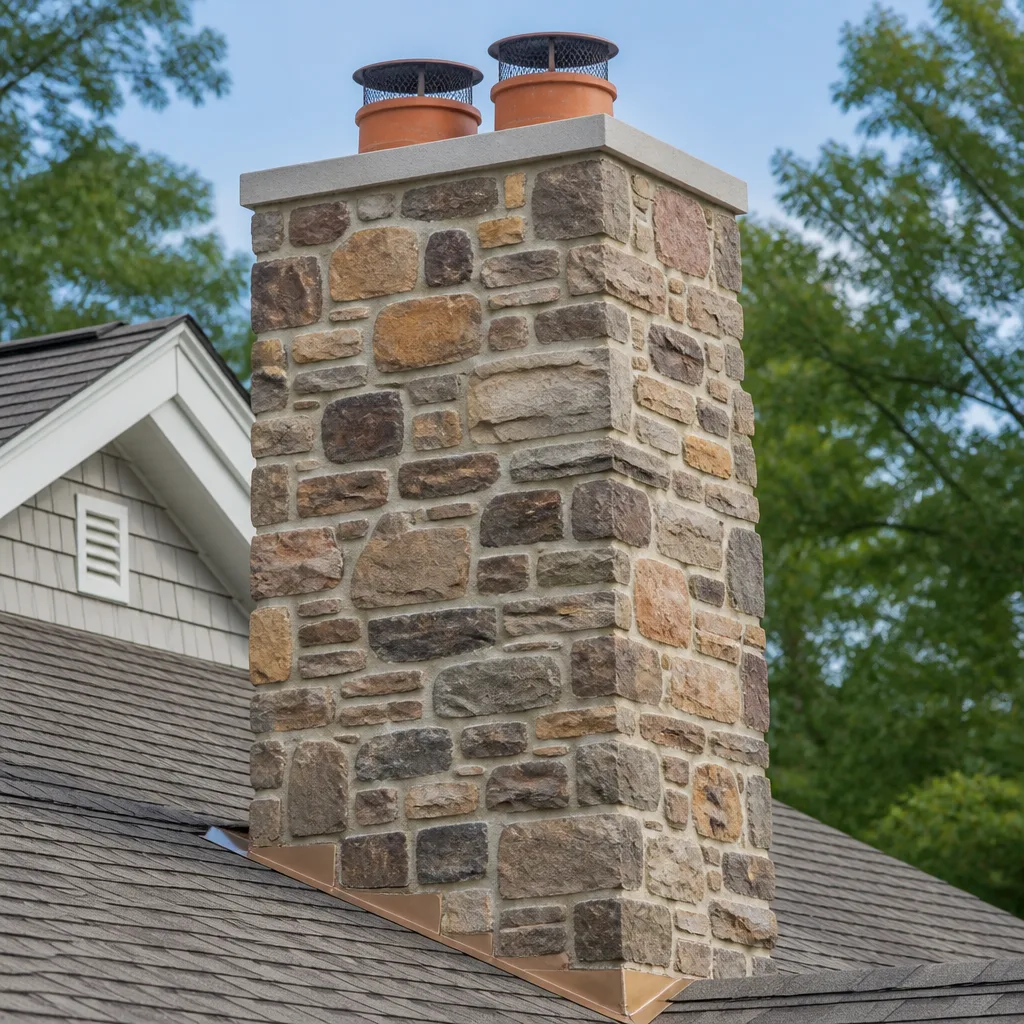
After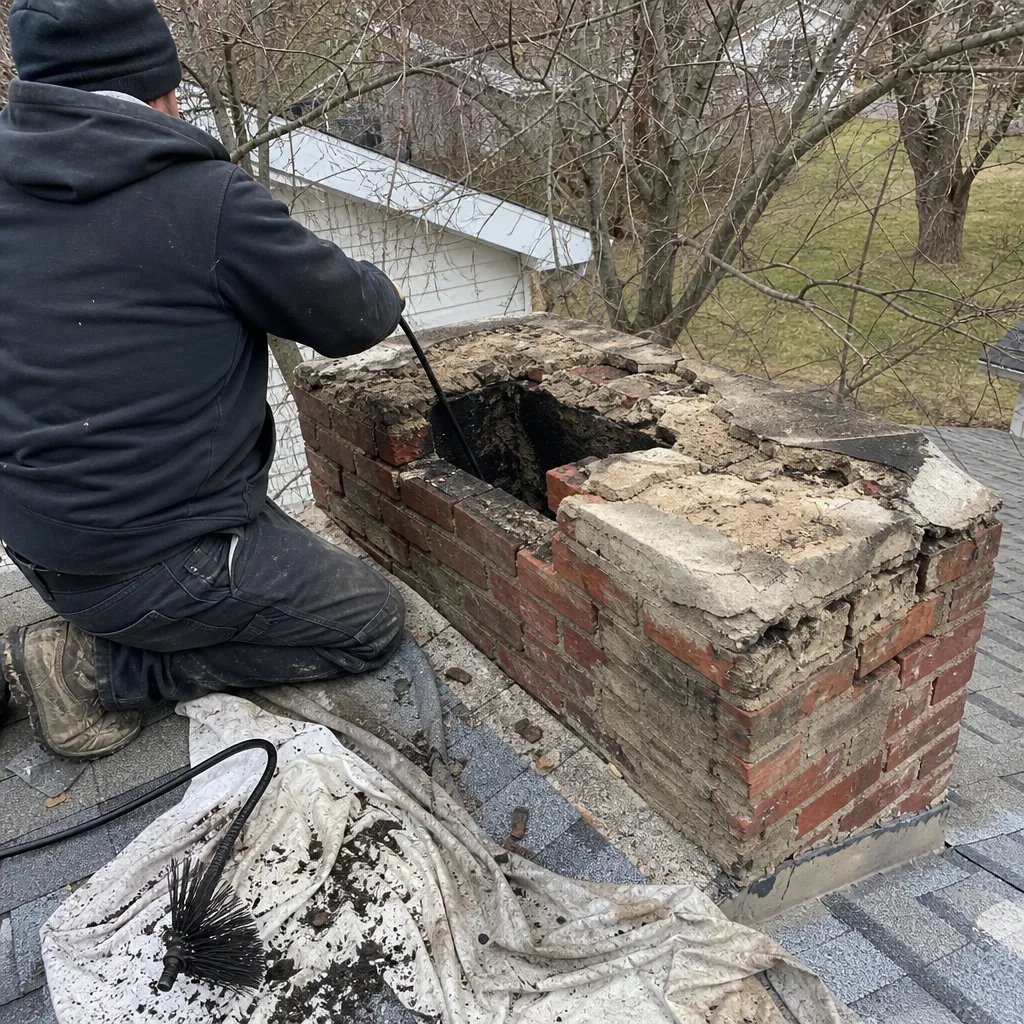 Before
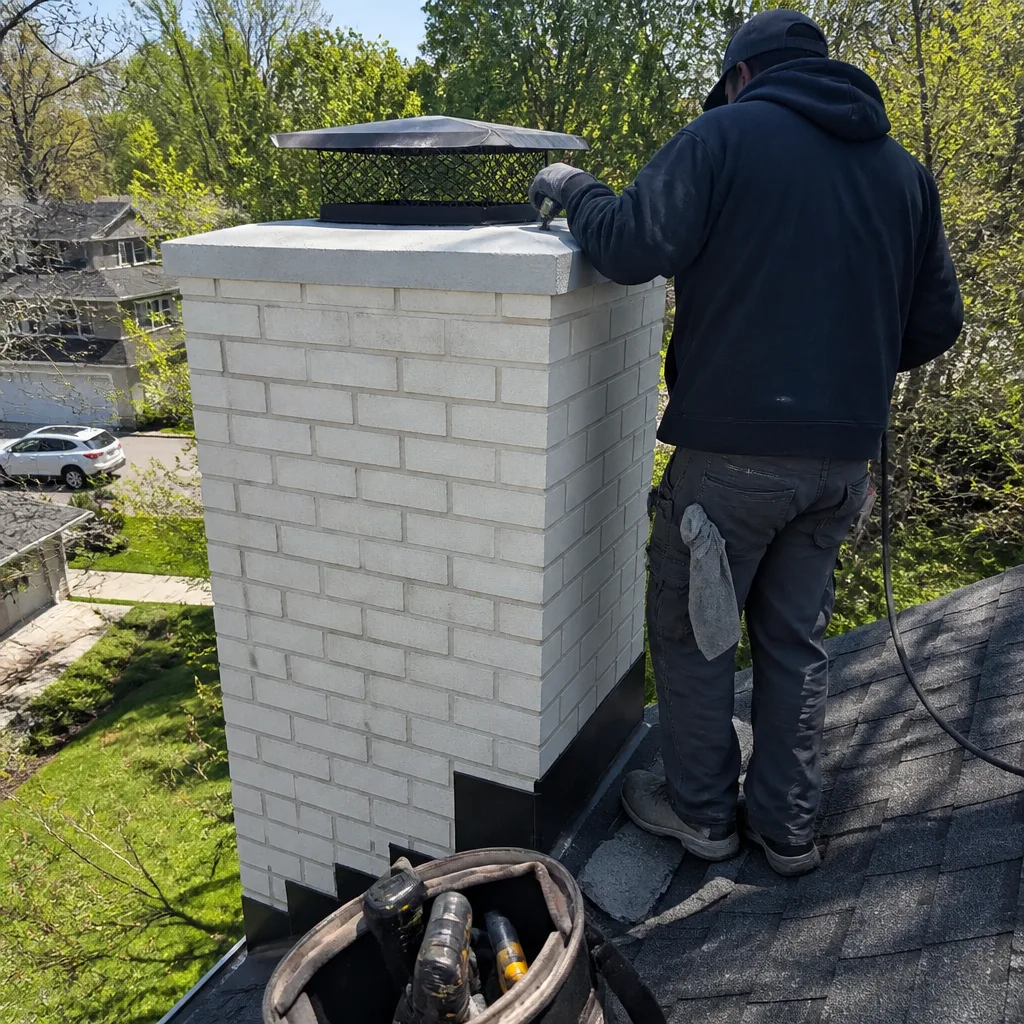 After
After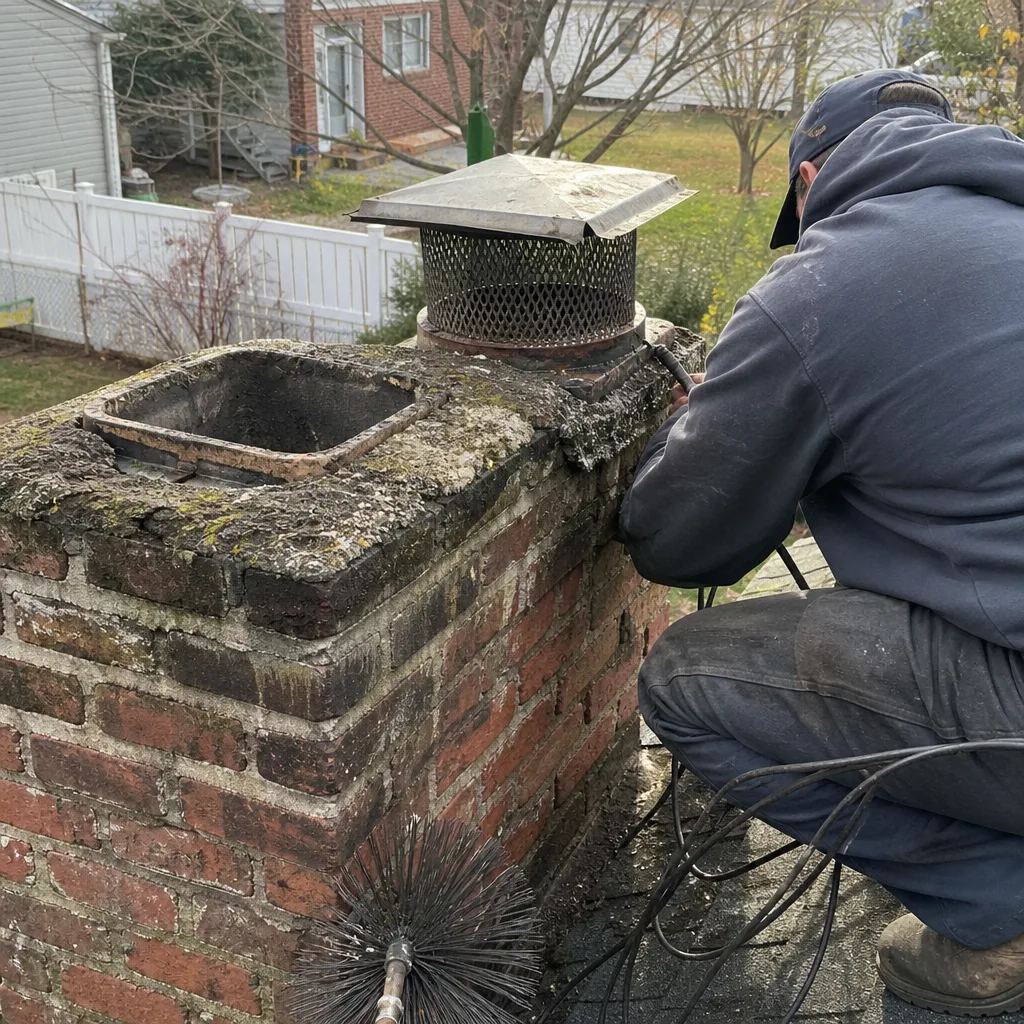 Before
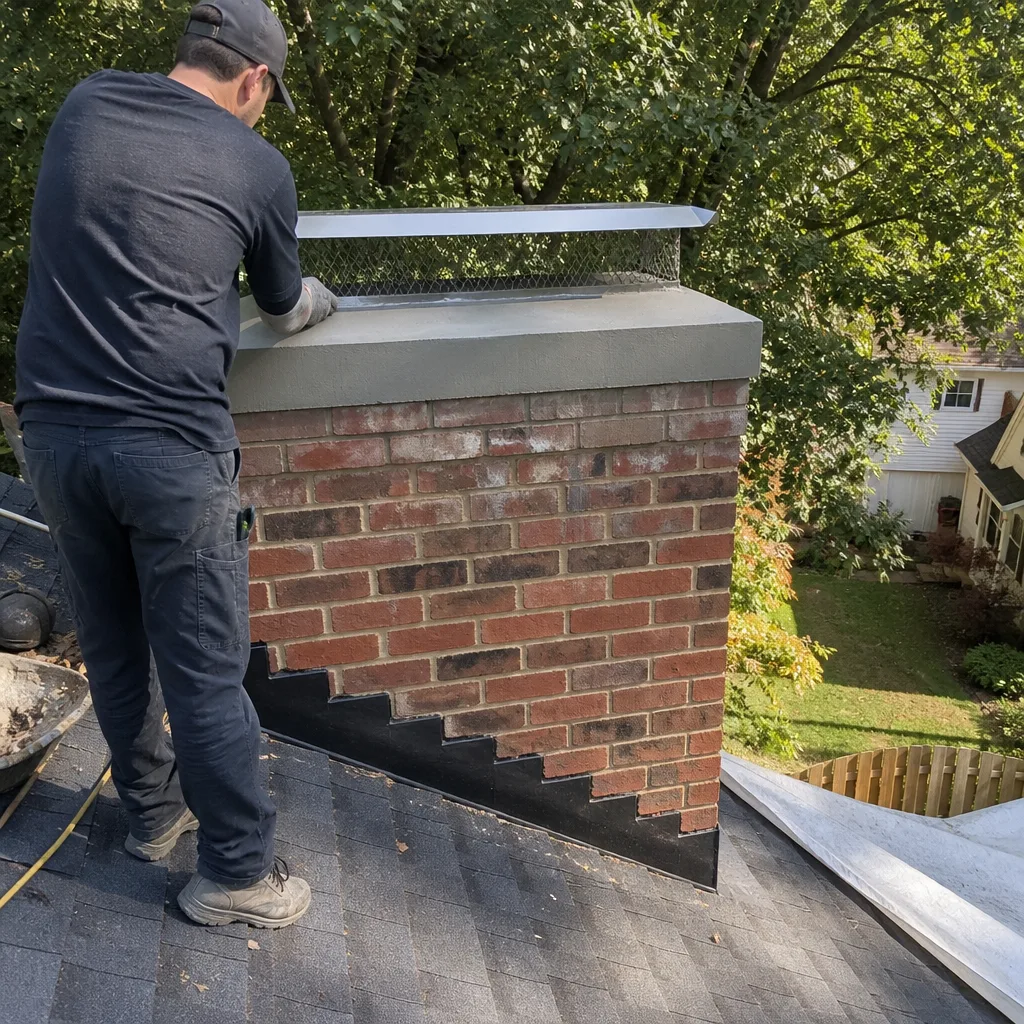 After
AfterGelco Flue Liner Replacement: The Rockville Owner’s Guide
We stock and install Gelco-compatible flue liner replacement parts in Rockville, with typical installed prices running $1,900 to $3,600 depending on liner length, diameter, and whether we’re pulling the old liner out in pieces or feeding the new one down an offset flue. Most Gelco liner swaps take a single day once we’re on site. The way owners usually find us: a chimney inspection flagged a cracked liner seam, or a furnace tech’s camera picked up rust scaling on the Gelco liner and the homeowner wants a second look before anyone quotes a reline.
Here’s the thing about Gelco liners specifically. They’re solid stainless steel, most often the 316L alloy, and they fail in predictable ways in Rockville’s climate. What we see most is not catastrophic collapse. It’s pitting at the weld seams, hairline cracks where the liner snakes through the smoke chamber, and rust bloom where hot exhaust gases condense against cold masonry in January. None of that shows up in a flashlight look. It shows up on camera. And the camera doesn’t guess. Neither do we.
Which Gelco Models This Applies To
Gelco builds stainless steel chimney liners in two families: the standard smooth-wall 316L series and their midweight flex liners for offset flues. The part you need depends on two measurements, not the model name. First is the inner diameter, usually 5.5, 6, 7, or 8 inches for wood stoves and oil furnaces, with 5/8-inch corrugation depth on most Gelco flex. Second is the length from the appliance collar to the chimney crown, plus six inches for a rain cap connection. If you still have the original paperwork from when the liner went in, the part number starts with GLC and is printed on the liner’s shipping label. If you don’t, we measure it with a laser before anything gets ordered.
We recommend genuine Gelco when the liner is under warranty or when the original installation was Gelco end-to-end, so the couplers and tees match without adapter work. But Gelco’s warranty is prorated and, in practice, most Rockville homeowners past year eight are better served by a 316L aftermarket equivalent from DuraFlex or HeatShield, which we also stock on the truck. The alloy is the same, the corrugation profile is the same, and the fall cost runs $400 to $600 less. We’ll show you both prices in writing and let you choose.
One compatibility gotcha we run into regularly in Rockville’s older colonials: Gelco liner sections from before 2010 used a 1-inch overlap coupler with a crimp ring. Newer Gelco sections use a 1.5-inch overlap with a band clamp. If your liner was installed in the mid-2000s and you replace only a damaged section, you need the older coupler style or an adapter. Mixing them without an adapter leaves a gap that leaks exhaust into the chimney cavity. We carry both coupler styles and the adapter on the truck because this comes up more than you’d think in homes built around King Farm and Fallsgrove.
Signs Your Gelco Flue Liner Replacement Is Failing
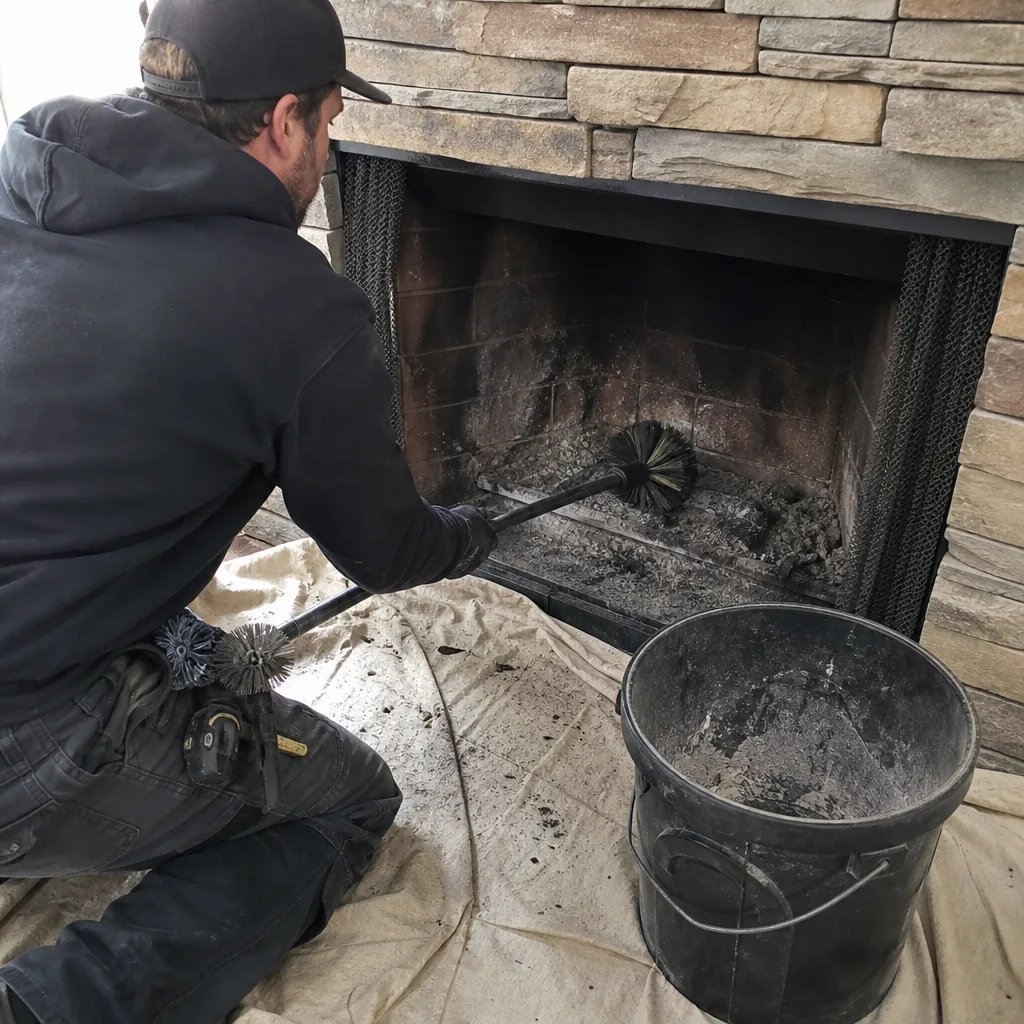
Most liner failure announces itself quietly. Here are the five symptoms we hear about most from Rockville homeowners, in order of how often they show up:
- Rust flakes or a fine dark dust at the base of the chimney cleanout. That’s almost always condensation eating the liner from the inside, common when a furnace was upsized without resizing the flue. The liner is shedding metal scale; left alone, the flakes can restrict the draft and send exhaust gas backward into the house.
- A sulfur or “burning metal” smell near the fireplace or furnace closet, especially on damp days. Exhaust gases are escaping through a crack or seam and reacting with moisture in the masonry. It’s a slow leak until it isn’t.
- White chalky staining on the chimney’s exterior brick surface, often in a vertical stripe. That’s efflorescence, and it means moisture is moving through the chimney walls. When a liner cracks, exhaust condensation accelerates that moisture movement. It often shows up as a damp stripe on the interior wall behind the chimney, too.
- Your carbon monoxide detector triggers intermittently when the furnace runs, with no other explanation. We treat this as a liner problem until proven otherwise. Stainless steel liners can develop pinhole cracks too small to see with the eye but large enough to leak CO into wall cavities rather than up the flue.
- The chimney won’t draw properly after years of working fine, and a new cap didn’t fix it. Draft failure in an older Gelco liner usually means corrosion has narrowed the effective diameter or a liner section has shifted at a coupler joint, creating a ledge where exhaust stalls. You’ll notice more smoke rollout when the fire is lit, or the furnace cycling more often.
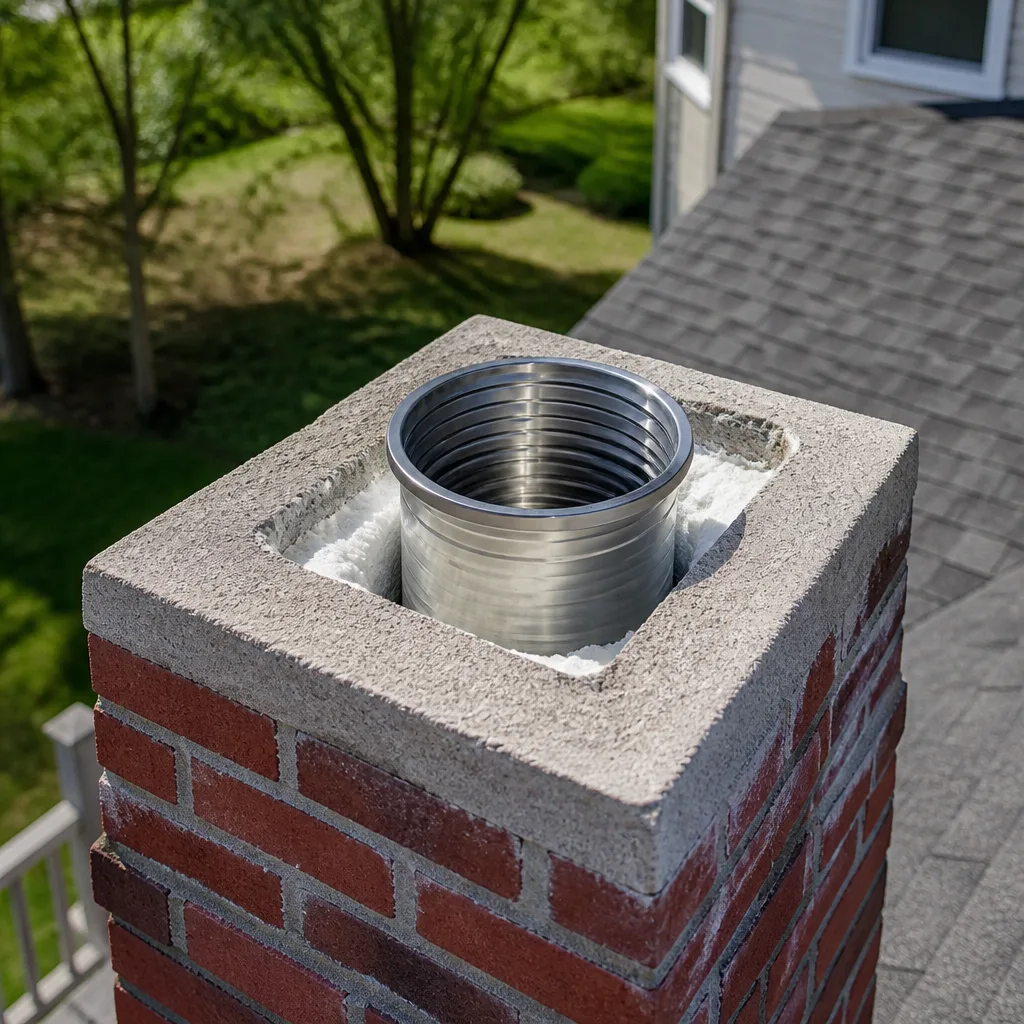
Each of these is camera-verifiable in under twenty minutes. Clause 4 of the Haven Standard requires a photo record on every visit, and we’ve been doing that since 2009. When we show you the image of a corroded seam or a shifted coupler, you’re not taking our word for it. You’re looking at it.
BeforeAfterReplacement Cost & What’s Included
Gelco-compatible flue liner replacement in Rockville typically runs:
- Single-appliance reline (furnace or water heater), 15-25 foot liner: $1,900 to $2,600 installed
- Wood stove or fireplace insert reline, 20-30 foot liner with tee and cap: $2,500 to $3,200 installed
- Full chimney reline with insulation wrap around the liner: $3,100 to $3,600 installed
The spread comes from liner diameter and length, roof pitch and chimney height, and whether the old liner is fused to the masonry with creosote. We itemize every line before work starts. The quote you sign is the price you pay, and it includes the liner material, all couplers and connectors, the rain cap, removal of the old liner, installation, a camera scan before and after, and a written warranty on both parts and labor under the 365-Day Done Right Promise. If it’s not done right, we make it right.
Three things drive cost on Gelco replacements in Rockville specifically. Steep roof pitches on split-levels and contemporary builds add access time. Chimneys that run through the center of the house are usually faster than exterior chimneys, which cool faster and sometimes have frost-damaged crowns that need repair before we seal the liner. And if the old liner is wrapped in insulation, removal takes longer. None of this is a surprise. It’s all in the written price.
DIY or Call Us?
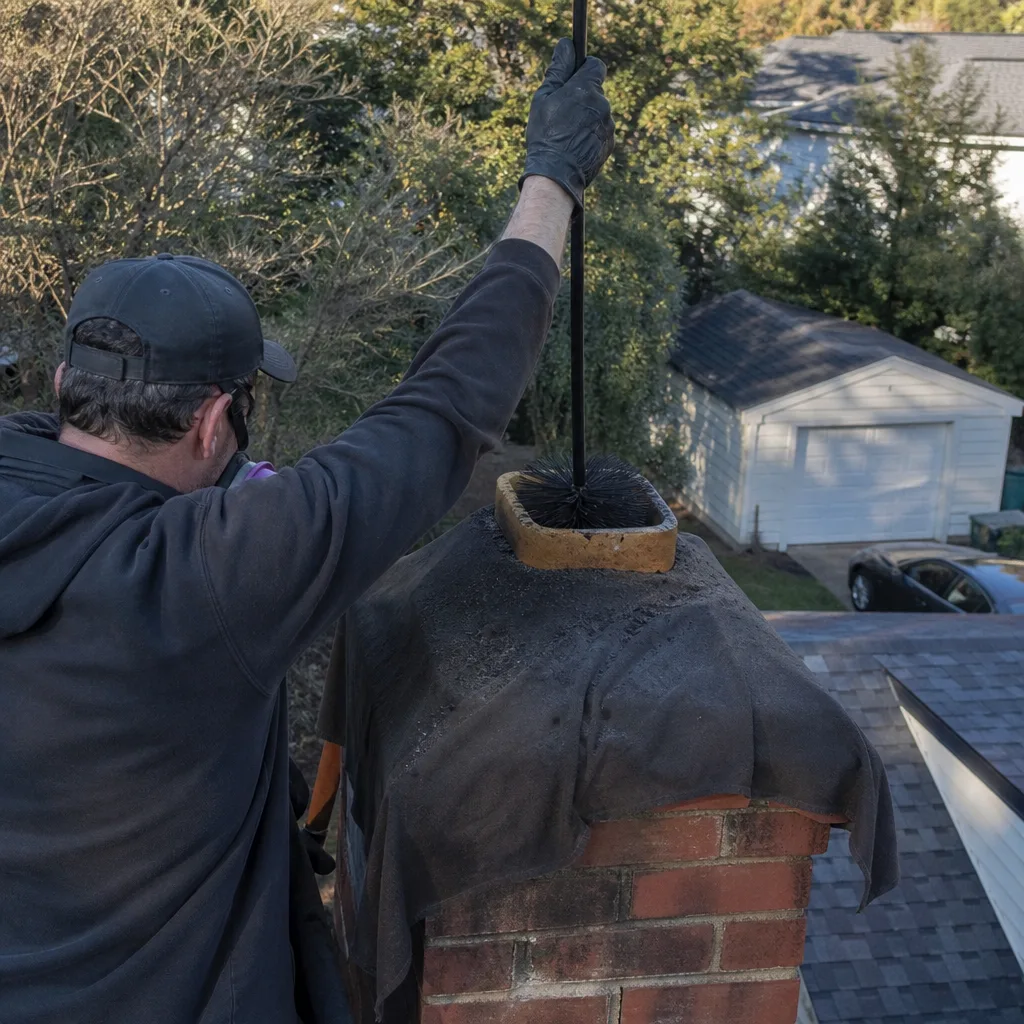
You can check a few things safely without getting on a roof. Shine a flashlight up the flue from the cleanout door and look for rust flakes. Wipe a finger along the interior wall of the flue near the bottom and check for a gritty, sooty residue that shouldn’t be there. If you see either, call us. But actually replacing a Gelco liner means working on a roof, often on a pitch that’s steeper than it looks from the ground, while lowering a 25-foot stainless steel snake down a chimney that may still be holding creosote. That’s not a Saturday project. Falls from roofs are one of the leading causes of homeowner injury, and a liner that’s dropped or kinked during installation is a new liner you’ll be paying for twice.
The honest split is this: the diagnosis is where you save money by knowing what to look for. The installation is where you pay for the work because it’s roof work, and it’s flue work, and a mistake in either one puts exhaust gas where it doesn’t belong. Call (571) 376-7052 and we’ll put a camera down the flue, show you exactly what’s there, and give you a written price before anyone starts.
FAQs
A 316L Gelco liner in Rockville typically lasts 12 to 20 years, not the 25-plus you see on some manufacturer charts. Our climate shortens lifespan because cold winters and humid summers create condensation cycles inside external chimneys, and condensation is the main enemy of stainless steel liners. Liners on interior chimneys, where the flue stays warmer, run toward the top of that range. We’ll show you where your liner falls on its lifespan when we scan it. Call (571) 376-7052 for a scheduled camera inspection and written report.
Sometimes a single damaged liner section can be cut out and replaced with a matching Gelco or compatible 316L section, provided the rest of the liner passes a full camera scan. We’ll do that when the damage is isolated to one coupler or one section, and the repair typically runs $500 to $900 less than a full replacement. But if the camera shows pitting across multiple sections or thinning walls, a patch job becomes a false economy. The scan tells us which one you have, and you get to see the footage before you decide.
Most Gelco flue liner replacements in Rockville take five to seven hours on site, including setup, removal of the old liner, installation, and the post-installation camera scan and draft test. If the roof is steep or the old liner comes out in fused, creosote-caked pieces, it can push into a second morning. We’ll tell you the expected time in the written quote, and we’ll text you when the named technician is on the way the morning of the job.
Our trucks carry Gelco-compatible liners and couplers in the common Rockville diameters: 5.5, 6, 7, and 8 inches, in both Gelco and aftermarket 316L from DuraFlex and HeatShield. We also carry both the older crimp-ring coupler and the newer band-clamp style so older Gelco installations from the 2000s can be matched without a special order. If your flue needs a size we don’t have on the truck, it’s two to three business days from our supplier network.
Written by Corrine Halstead, Owner, Level Two Chimney Rockville at Level Two Chimney Rockville, serving Rockville and nearby areas.